















































Scientists map Italy’s entire coast to guide seagrass and marine recovery – Mongabay
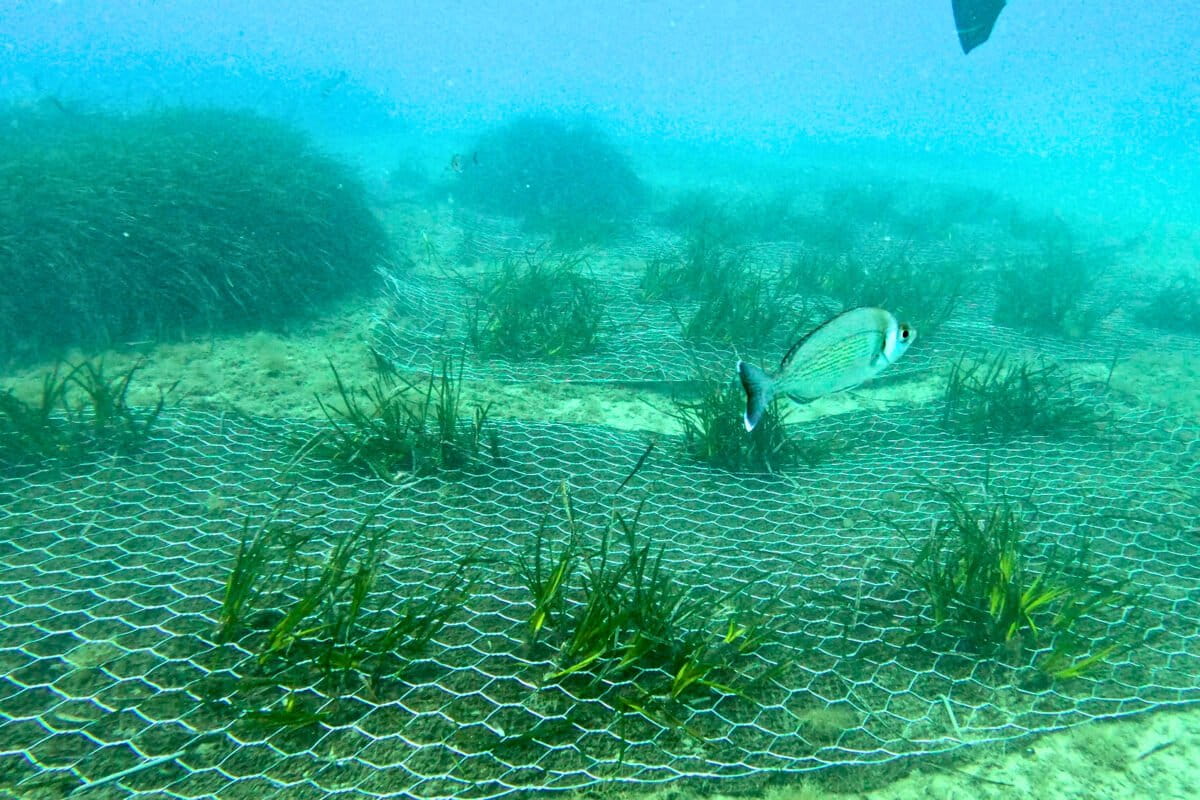
Report on the Conservation of *Posidonia oceanica* Meadows and Alignment with Sustainable Development Goals
Introduction: The Critical Role of Mediterranean Seagrass in Global Sustainability
Posidonia oceanica, a seagrass species endemic to the Mediterranean Sea, forms vital underwater ecosystems that are crucial for achieving multiple Sustainable Development Goals (SDGs). These meadows serve as significant carbon sinks, biodiversity hotspots, and natural coastal protectors. However, they face severe threats from anthropogenic pressures, including illegal trawling, pollution, and uncontrolled boat anchoring. This report details the ecological importance of these habitats, the threats they face, and a major Italian initiative aimed at their conservation, directly contributing to global sustainability targets.
Ecological Significance and Contribution to Sustainable Development Goals
The ecosystem services provided by Posidonia oceanica meadows are integral to environmental health and human well-being, aligning with several key SDGs.
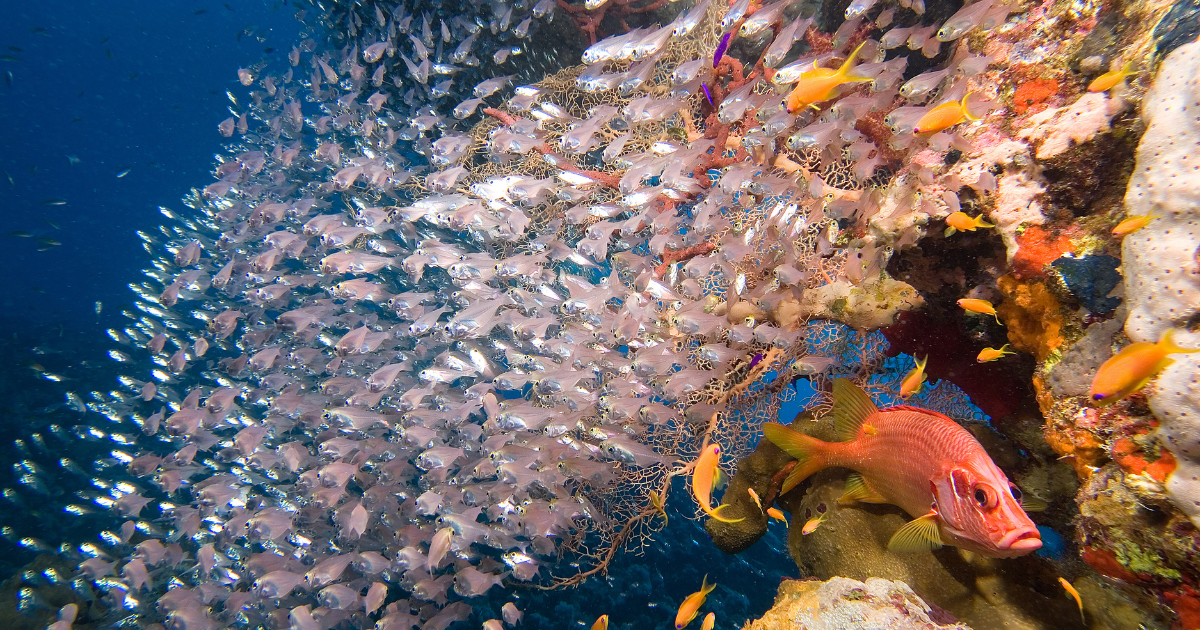
- SDG 14: Life Below Water: The meadows are fundamental to marine biodiversity, hosting an estimated 20% of all Mediterranean marine species. They act as nurseries for juvenile fish, supporting commercially important fisheries and contributing to the conservation and sustainable use of marine resources.
- SDG 13: Climate Action: As a powerful carbon sink, Posidonia oceanica sequesters carbon up to 35 times faster than terrestrial rainforests, locking it in seabed sediments for millennia. Protecting and restoring these meadows is a direct and effective nature-based solution for climate change mitigation.
- SDG 11: Sustainable Cities and Communities: The dense root systems (mattes) of the seagrass stabilize the seabed, while the canopy absorbs wave energy. This provides natural protection for coastlines against erosion and flooding, enhancing the resilience of coastal communities.
Threats to Marine Ecosystems and SDG Progress
The degradation of Posidonia meadows undermines progress toward the SDGs. Over the last 50 years, some Mediterranean regions have seen meadow regression of up to 34% due to human activities.
- Coastal Development and Pollution: Urban and industrial runoff degrades water quality, harming the seagrass.
- Uncontrolled Boat Anchoring: Anchors and chains drag across the seabed, tearing up the meadows and creating lasting damage.
- Illegal Bottom Trawling: This destructive fishing practice inflicts severe physical damage, creating “wounds” and “furrows” that destroy the dense underwater forests.
Italy’s MER Project: An Innovative Strategy for Marine Restoration
To address the lack of comprehensive data and accelerate conservation efforts, Italy has launched the Italian Marine Ecosystem Restoration (MER) project. This initiative is a strategic effort to achieve the global “30×30” target, a key component of SDG 14, which aims to protect 30% of the world’s oceans by 2030.
Project Objectives and Alignment with SDGs
- SDG 9: Industry, Innovation, and Infrastructure: The €400 million project utilizes a high-tech alliance of sensors, autonomous vehicles, and machine learning to create a complete, high-resolution digital twin of Italy’s 7,900-kilometer coastline.
- SDG 17: Partnerships for the Goals: The MER project is a multi-stakeholder collaboration involving the Italian Institute for Environmental Protection and Research (ISPRA), academic institutions, the Italian Navy, and private technology specialists, funded through the EU’s NextGenerationEU plan.
Technological Framework for Comprehensive Coastal Mapping
The project employs a multi-level, multi-sensor approach to build a seamless 3D map of coastal and marine habitats.
- Satellite Imaging: High-resolution multispectral satellites create a preliminary map of water depth and seabed composition by analyzing light frequencies.
- Aerial Lidar Surveys: Aircraft equipped with lidar technology map both the terrestrial coastal strip and the seabed down to 50 meters, providing data on land-based pressures and underwater topography.
- Ship-Based Sonar: In deeper or turbid waters, ships with multibeam echosounder systems use sound waves to create detailed 3D maps of the underwater terrain and assess the health of seagrass beds.
- Autonomous Underwater Vehicle (AUV) Validation: A torpedo-shaped AUV equipped with a hyperspectral camera captures detailed video to visually confirm and validate the remote-sensing data.
- Machine Learning Integration: Data from all sensors are fed into machine-learning algorithms, which cross-reference the information to automatically classify habitats and produce the final, detailed map.
Project Outcomes and Implications for Global Goals
The MER project is establishing a new, high-resolution baseline for marine conservation in Italy, with significant implications for achieving the SDGs.
Key Findings and Applications
- Enhanced Knowledge Base: Initial findings reveal that Posidonia meadows are more extensive and exist in deeper waters than previously known, fundamentally changing the understanding of this critical habitat.
- Informing Policy and Enforcement: The detailed maps serve as a powerful tool for law enforcement to identify and prosecute illegal bottom trawling, directly supporting SDG 14.
- Guiding Conservation and Restoration: The data will guide Marine Protected Area (MPA) management and prioritize areas for restoration, ensuring that conservation efforts are targeted and effective. Success stories, such as the repopulation of marine life in the Gaiola Submerged Park MPA, demonstrate that targeted protection yields rapid benefits.
By creating a comprehensive benchmark, Italy is generating vital knowledge to address the challenges facing marine ecosystems globally. The project serves as a model for how technology and partnership can be leveraged to protect marine biodiversity, combat climate change, and advance the 2030 Agenda for Sustainable Development.
Analysis of Sustainable Development Goals in the Article
1. Which SDGs are addressed or connected to the issues highlighted in the article?
-
SDG 14: Life Below Water
- This is the most central SDG addressed. The entire article focuses on the conservation, protection, and restoration of a critical marine ecosystem, the Posidonia oceanica seagrass meadows. It discusses threats from human activities like pollution, illegal trawling, and boat anchoring, and details Italy’s large-scale effort to manage and restore these habitats to support marine biodiversity and ocean health.
-
SDG 13: Climate Action
- The article explicitly links the health of Posidonia meadows to climate change mitigation. It highlights their role as a powerful “carbon sink,” stating that the seagrass “sequesters carbon up to 35 times faster than rainforests” and has absorbed a significant portion of the region’s historical CO2 emissions. Protecting these meadows is presented as a direct action to combat climate change.
-
SDG 15: Life on Land
- The article connects marine health to terrestrial activities. The mapping project includes an 800-meter inland coastal strip to provide “data on urbanization and land-based activities that can impact the marine environment.” This acknowledges the link between land-based pollution and coastal development and the degradation of marine habitats, aligning with the goal of protecting ecosystems from harmful external pressures. Furthermore, the meadows are described as a vital habitat hosting “20% of all Mediterranean marine species,” making their protection crucial for halting biodiversity loss.
-
SDG 9: Industry, Innovation, and Infrastructure
- The article details a technologically advanced initiative, the MER project. It describes the use of a “constellation of sensors,” including “multispectral satellites,” “lidar technology,” “multibeam echosounder systems (MBES),” and an “autonomous underwater vehicle (AUV)” with a hyperspectral camera. This deployment of cutting-edge technology and scientific research to solve an environmental challenge directly relates to enhancing scientific research and upgrading technological capabilities.
-
SDG 11: Sustainable Cities and Communities
- The protective role of seagrass meadows for coastal communities is highlighted. The article states that the plants’ root systems “stabilize the seabed and protect coastlines from erosion, while their canopy absorbs the energy of waves.” This natural infrastructure service helps safeguard coastal areas from hazards, which is a key aspect of building resilient and sustainable communities.
2. What specific targets under those SDGs can be identified based on the article’s content?
-
Under SDG 14 (Life Below Water):
- Target 14.2: “Sustainably manage and protect marine and coastal ecosystems to avoid significant adverse impacts… and take action for their restoration.” The entire MER project is designed to achieve this, with the article describing active restoration efforts in Gaiola and La Maddalena and the goal of creating a comprehensive map for better management and protection.
- Target 14.5: “By 2020, conserve at least 10 per cent of coastal and marine areas.” The article directly references the successor to this goal, stating the project aims to help Italy “reach the global ’30×30′ target of protecting 30% of the world’s oceans by 2030.”
- Target 14.4: “Effectively regulate harvesting and end overfishing, illegal, unreported and unregulated (IUU) fishing and destructive fishing practices.” The article identifies “illegal bottom trawling” as a primary culprit in meadow degradation and notes that the high-resolution maps are a “powerful tool for law enforcement” to alert authorities to such activities.
- Target 14.a: “Increase scientific knowledge, develop research capacity and transfer marine technology.” The project is a massive investment in marine technology (lidar, sonar, AUVs, AI) to create a “new baseline” and generate “vital knowledge needed to understand… the challenges facing marine ecosystems.”
-
Under SDG 13 (Climate Action):
- Target 13.1: “Strengthen resilience and adaptive capacity to climate-related hazards and natural disasters.” The article explains that Posidonia meadows contribute to this by protecting “coastlines from erosion” and absorbing “the energy of waves,” thereby enhancing the resilience of coastal areas.
-
Under SDG 15 (Life on Land):
- Target 15.5: “Take urgent and significant action to reduce the degradation of natural habitats, halt the loss of biodiversity.” The conservation of Posidonia meadows, which host an estimated “20% of all Mediterranean marine species,” is a direct action to halt the loss of a critical habitat and the biodiversity it supports.
3. Are there any indicators mentioned or implied in the article that can be used to measure progress towards the identified targets?
- Extent and Health of Seagrass Meadows: The primary output of the MER project is a “complete, high-resolution map” of coastal habitats. This map will serve as a new baseline to measure the area covered by Posidonia meadows. The article also mentions that the technology can help classify meadows by their state of health (e.g., “a Posidonia meadow in good health”), providing a qualitative indicator of ecosystem status. This directly measures progress for Target 14.2.
- Percentage of Marine Area Protected: The article explicitly mentions the “30×30 target” as a goal. The mapping project is designed to identify key areas for protection, and the percentage of Italy’s marine territory designated as a Marine Protected Area (MPA) would be a direct indicator for Target 14.5.
- Biodiversity and Species Repopulation: The article provides anecdotal but powerful evidence of ecosystem recovery. In the Gaiola MPA, the return of “shoals of bream, wrasses, as well as crustaceans, mollusks and bryozoans” and fishermen’s reports of a “significant repopulation zone” serve as indicators of successful restoration under Target 14.2.
- Restoration Success Rate: A specific, quantifiable indicator for restoration efforts is mentioned for La Maddalena: the “high survival rate (more than 90%) of the initial transplants.” This metric is crucial for evaluating the effectiveness of restoration techniques (Target 14.2).
- Carbon Sequestration Capacity: The article quantifies the ecosystem’s role in climate mitigation, stating it sequesters carbon “up to 35 times faster than rainforests” and has stored “between 11% and 42% of the region’s carbon dioxide emissions.” Measuring the total area and density of healthy meadows allows for an estimation of the total carbon stock protected, an indicator for SDG 13.
4. Table of SDGs, Targets, and Indicators
| SDGs | Targets | Indicators Identified in the Article |
|---|---|---|
| SDG 14: Life Below Water |
|
|
| SDG 13: Climate Action |
|
|
| SDG 15: Life on Land |
|
|
| SDG 9: Industry, Innovation, and Infrastructure |
|
|
| SDG 11: Sustainable Cities and Communities |
|
|
Source: news.mongabay.com
What is Your Reaction?
 Like
0
Like
0
 Dislike
0
Dislike
0
 Love
0
Love
0
 Funny
0
Funny
0
 Angry
0
Angry
0
 Sad
0
Sad
0
 Wow
0
Wow
0