
















Smart Cities: 5 Cities Promoting Sustainability in Europe – We Build Value
Transformation of European Cities into Smart Ecosystems Aligned with Sustainable Development Goals
European cities are experiencing a significant transformation, evolving from traditional urban centers into intelligent ecosystems. This evolution integrates technology, data, and innovation to enhance daily life, aligning closely with the United Nations Sustainable Development Goals (SDGs), particularly SDG 11 (Sustainable Cities and Communities), SDG 7 (Affordable and Clean Energy), and SDG 9 (Industry, Innovation, and Infrastructure).
Overview of Smart City Integration
Smart cities incorporate urban transport, public services, renewable energy sources, and urban space management into cohesive systems. These systems aim to make cities more efficient, sustainable, and inclusive, addressing climate goals and the evolving needs of citizens. The development of advanced urban models supports SDG 13 (Climate Action) and SDG 10 (Reduced Inequalities).
1 – Copenhagen: Sustainable Urban Mobility
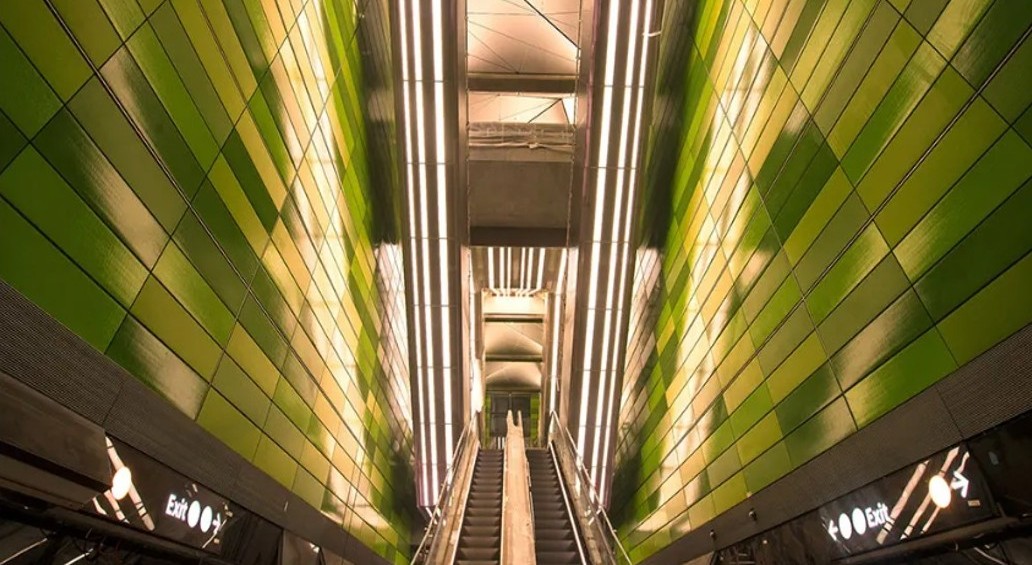
Copenhagen exemplifies a leading smart city in Europe, with the Cityringen metro line as a flagship project. Constructed by Webuild, this metro line features:
- 17 stations in the urban core
- Faster, more frequent, and sustainable connections
- Reduction of surface traffic and decreased reliance on private cars
This project promotes SDG 11 by improving sustainable urban transport and SDG 9 through infrastructure innovation, enhancing the quality of life and supporting human-centered urban development.
2 – Amsterdam: Circular Economy and Sustainable Mobility
Amsterdam serves as a model smart city focusing on sustainable mobility and circular economy principles. Key initiatives include:
- Over 850,000 bicycles promoting non-motorized transport
- Gradual ban on fossil-fuel vehicles to reduce emissions
- Amsterdam Smart City public-private partnership acting as an urban laboratory for digital and sustainable energy solutions
- Circular strategy targeting zero waste and a fully circular economy by 2050
These efforts align with SDG 12 (Responsible Consumption and Production), SDG 11, and SDG 7, fostering environmental sustainability and improved urban living standards.
3 – London: Innovation and Green Urban Development
London is recognized as one of Europe’s most innovative capitals, focusing on transforming disused areas into green, inclusive neighborhoods. The Smarter London Together strategic plan emphasizes:
- Efficient public services and smart connectivity
- Advanced data management and public-private collaboration
- Promotion of electric mobility and renewable energy resources
- Implementation of AI-based city technologies
These initiatives support SDG 9, SDG 11, and SDG 13 by fostering innovation, sustainability, and enhanced quality of life, positioning London as a global hub for startups and technological advancement.
4 – Vienna: Quality of Life through Urban Innovation
Vienna integrates quality of life improvements with urban innovation through the agency TINA Vienna. The city’s smart strategies include:
- Development of electric mobility infrastructure with 440 charging stations
- Goal to supply half of the city’s energy needs from renewable sources
- Redevelopment of densely populated neighborhoods into sustainable urban spaces
These efforts contribute to SDG 7, SDG 11, and SDG 13 by promoting clean energy, sustainable urban planning, and livability.
5 – Paris: Shared Mobility and Urban Connectivity
Paris is advancing as a smart city through shared mobility and urban innovation initiatives, including:
- Deployment of over 20,000 bicycles and 1,800 shared scooters to encourage sustainable transport
- Implementation of the “15-minute city” model to bring essential services closer to residents
- Development of the Grand Paris Express, Europe’s largest urban mobility project, featuring new automated metro lines for faster connections
These projects align with SDG 11 by enhancing urban accessibility and sustainability, SDG 9 through infrastructure development, and SDG 13 by reducing carbon emissions.
Conclusion
The transformation of European cities into smart ecosystems demonstrates a strong commitment to the Sustainable Development Goals. Through integrated transport systems, renewable energy adoption, circular economy models, and innovative urban planning, these cities are creating inclusive, sustainable, and resilient urban environments. The collaboration between public and private sectors, exemplified by Webuild’s involvement, highlights the importance of partnerships in achieving SDG 17 (Partnerships for the Goals) and advancing the future of Europe’s urban landscapes.
1. Which SDGs are addressed or connected to the issues highlighted in the article?
- SDG 11: Sustainable Cities and Communities – The article focuses on transforming European cities into smart, sustainable, and inclusive urban ecosystems.
- SDG 7: Affordable and Clean Energy – Emphasis on renewable energy sources and electric mobility in cities like Vienna and London.
- SDG 9: Industry, Innovation, and Infrastructure – Highlighting innovation, digital technologies, and infrastructure projects such as metros and smart connectivity.
- SDG 13: Climate Action – Cities are working to meet climate goals through sustainable transport and energy solutions.
- SDG 12: Responsible Consumption and Production – The circular economy strategy in Amsterdam aims to reduce waste and promote sustainability.
2. What specific targets under those SDGs can be identified based on the article’s content?
- SDG 11 Targets:
- 11.2: Provide access to safe, affordable, accessible and sustainable transport systems for all.
- 11.3: Enhance inclusive and sustainable urbanization and capacity for participatory planning.
- 11.6: Reduce the adverse per capita environmental impact of cities.
- SDG 7 Targets:
- 7.2: Increase substantially the share of renewable energy in the global energy mix.
- 7.3: Double the global rate of improvement in energy efficiency.
- SDG 9 Targets:
- 9.1: Develop quality, reliable, sustainable and resilient infrastructure.
- 9.5: Enhance scientific research, upgrade technological capabilities and innovation.
- SDG 13 Targets:
- 13.1: Strengthen resilience and adaptive capacity to climate-related hazards.
- 13.2: Integrate climate change measures into policies and planning.
- SDG 12 Targets:
- 12.5: Substantially reduce waste generation through prevention, reduction, recycling and reuse.
3. Are there any indicators mentioned or implied in the article that can be used to measure progress towards the identified targets?
- Indicators related to SDG 11:
- Number of sustainable transport stations (e.g., 17 stations in Copenhagen’s metro).
- Reduction in surface traffic and car dependency.
- Access to public transport and shared mobility options (e.g., bicycles and scooters in Paris and Amsterdam).
- Indicators related to SDG 7:
- Number of electric vehicle charging stations (e.g., 440 in Vienna).
- Percentage of energy needs covered by renewable resources.
- Indicators related to SDG 9:
- Number and extent of infrastructure projects (e.g., Grand Paris Express metro lines).
- Implementation of smart city technologies and digital connectivity.
- Indicators related to SDG 13:
- Adoption of electric mobility and renewable energy as measures to reduce carbon emissions.
- Integration of climate goals in urban planning and development.
- Indicators related to SDG 12:
- Progress towards circular economy goals (e.g., waste reduction strategies in Amsterdam).
- Reduction in fossil-fuel vehicle usage.
4. Table: SDGs, Targets and Indicators
| SDGs | Targets | Indicators |
|---|---|---|
| SDG 11: Sustainable Cities and Communities |
|
|
| SDG 7: Affordable and Clean Energy |
|
|
| SDG 9: Industry, Innovation, and Infrastructure |
|
|
| SDG 13: Climate Action |
|
|
| SDG 12: Responsible Consumption and Production |
|
|
Source: webuildvalue.com
What is Your Reaction?
 Like
0
Like
0
 Dislike
0
Dislike
0
 Love
0
Love
0
 Funny
0
Funny
0
 Angry
0
Angry
0
 Sad
0
Sad
0
 Wow
0
Wow
0