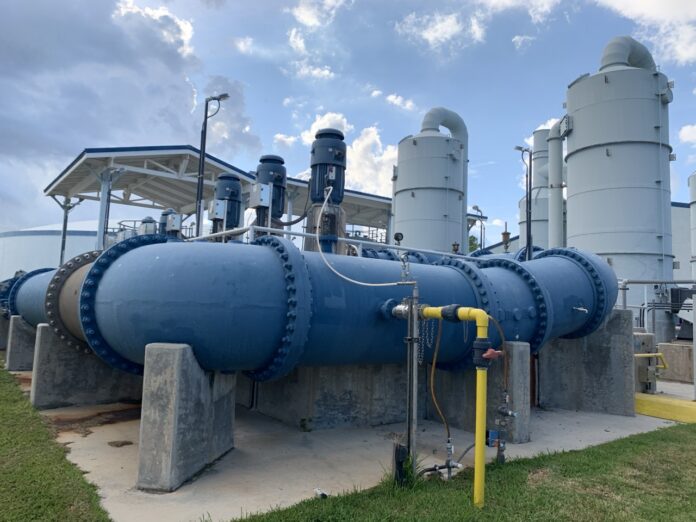





































Solar For Citys Wastewater Treatment Plant – WGEL Radio

Greenville City Council Advances Solar Power Initiative at Wastewater Treatment Plant
Contract Award and Project Overview
In December, the Greenville City Council unanimously approved a contract to implement solar power at the city’s wastewater treatment plant. This decision aligns with the city’s commitment to sustainable development and supports the achievement of several United Nations Sustainable Development Goals (SDGs), particularly SDG 7 (Affordable and Clean Energy), SDG 11 (Sustainable Cities and Communities), and SDG 13 (Climate Action).
Contract Details and Selection Process
- Bid Awarded: The contract was awarded to GRP Wegman of Bethalto with a bid amounting to $1,596,647.
- Net Purchase Cost: After applying governmental solar credits, the net cost to the city will be $288,752.
- Bid Comparison: Although GRP Wegman’s bid was the second lowest, it was selected based on recommendations emphasizing local labor utilization and economic benefits to the community.
- Reputation and Experience: City Manager Jo Hollenkamp highlighted GRP Wegman’s strong reputation and extensive experience with larger projects as key factors in the decision.
- Alternative Bid: The lowest bid would have resulted in a net cost of $277,500 after credits, but was not selected due to other considerations.
Project Timeline and Strategic Importance
- The solar power project is scheduled to commence by July 1, 2026, to maximize eligibility for governmental solar credits.
- This initiative contributes to reducing the city’s carbon footprint and promotes renewable energy integration within municipal infrastructure.
- It supports SDG 8 (Decent Work and Economic Growth) by prioritizing local labor and fostering economic development.
Alignment with Sustainable Development Goals
The Greenville solar project exemplifies the city’s dedication to sustainable urban development through:
- SDG 7 – Affordable and Clean Energy: Transitioning to renewable solar energy reduces reliance on fossil fuels and enhances energy sustainability.
- SDG 11 – Sustainable Cities and Communities: Modernizing infrastructure with clean energy solutions promotes resilient and sustainable urban environments.
- SDG 13 – Climate Action: Implementing solar power contributes to mitigating climate change by lowering greenhouse gas emissions.
- SDG 8 – Decent Work and Economic Growth: Supporting local labor through contract selection stimulates economic activity and job creation within the community.
Conclusion
The Greenville City Council’s decision to invest in solar power at the wastewater treatment plant marks a significant step toward sustainable infrastructure development. By integrating renewable energy and supporting local economic growth, the project advances multiple Sustainable Development Goals, positioning Greenville as a leader in environmental stewardship and sustainable urban planning.
1. Sustainable Development Goals (SDGs) Addressed
- SDG 7: Affordable and Clean Energy
- The article discusses the implementation of solar power at the wastewater treatment plant, directly relating to clean and renewable energy.
- SDG 11: Sustainable Cities and Communities
- The initiative to use solar energy in city infrastructure promotes sustainable urban development.
- SDG 13: Climate Action
- Adopting solar power reduces greenhouse gas emissions, contributing to climate change mitigation.
2. Specific Targets Under the Identified SDGs
- SDG 7: Affordable and Clean Energy
- Target 7.2: Increase substantially the share of renewable energy in the global energy mix.
- SDG 11: Sustainable Cities and Communities
- Target 11.6: Reduce the adverse per capita environmental impact of cities, including by paying special attention to air quality and municipal and other waste management.
- SDG 13: Climate Action
- Target 13.2: Integrate climate change measures into policies, strategies, and planning.
3. Indicators Mentioned or Implied in the Article
- Indicator for SDG 7.2
- Proportion of energy from renewable sources in total energy consumption at the wastewater treatment plant.
- Installed capacity of solar power (measured in kW or MW) at the facility.
- Indicator for SDG 11.6
- Reduction in greenhouse gas emissions or pollution levels due to the use of solar energy in municipal infrastructure.
- Indicator for SDG 13.2
- Number of local government policies or projects integrating renewable energy solutions.
- Implementation timeline of solar project (e.g., project start date by July 1, 2026).
4. Table: SDGs, Targets and Indicators
| SDGs | Targets | Indicators |
|---|---|---|
| SDG 7: Affordable and Clean Energy | Target 7.2: Increase substantially the share of renewable energy in the global energy mix. |
|
| SDG 11: Sustainable Cities and Communities | Target 11.6: Reduce the adverse per capita environmental impact of cities, including air quality and waste management. |
|
| SDG 13: Climate Action | Target 13.2: Integrate climate change measures into policies, strategies, and planning. |
|
Source: wgel.com
What is Your Reaction?
 Like
0
Like
0
 Dislike
0
Dislike
0
 Love
0
Love
0
 Funny
0
Funny
0
 Angry
0
Angry
0
 Sad
0
Sad
0
 Wow
0
Wow
0