









































;Resize=620#)








Sri Lanka Emerges as a Global Leader in Sustainable Tourism, Winning Prestigious Accolades at the 2025 Global Responsible Tourism Awards – Travel And Tour World
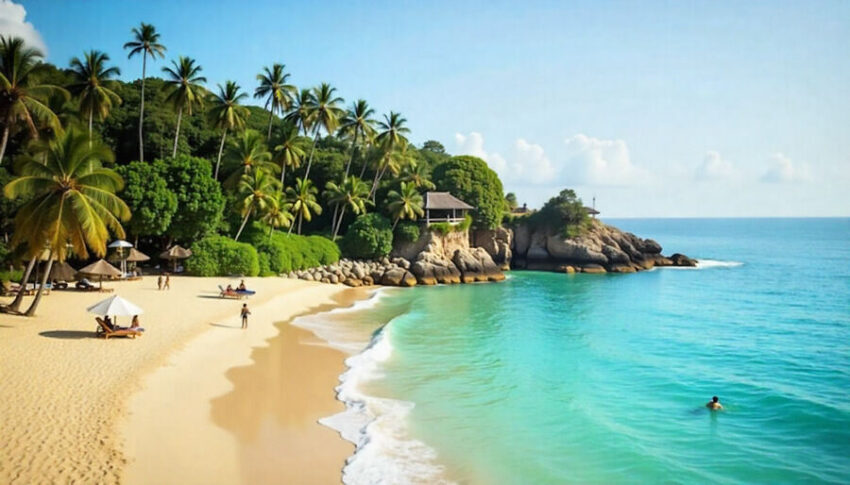
Report on Sri Lanka’s Achievements in Sustainable Tourism at the 2025 Global Responsible Tourism Awards
Executive Summary
This report details the significant international recognition received by Sri Lanka at the 2025 Global Responsible Tourism Awards. Three national organizations were honored for their exemplary contributions to sustainable tourism, demonstrating a profound commitment to the United Nations Sustainable Development Goals (SDGs). The accolades highlight Sri Lanka’s strategic alignment with global sustainability targets, particularly in the areas of climate action, biodiversity conservation, and inclusive economic growth. The success of Heritance Kandalama, Jetwing Vil Uyana, and the Heel Oya Community-Based Tourism village positions the nation as a global leader in responsible tourism practices that directly support the 2030 Agenda for Sustainable Development.
Analysis of Award-Winning Initiatives and SDG Alignment
The awards conferred by the International Centre for Responsible Tourism (ICRT) validate specific projects that serve as models for integrating sustainability into tourism operations. Each winner’s approach corresponds directly to key SDGs.
Heritance Kandalama: Advancing SDG 13 (Climate Action)
Heritance Kandalama received a Silver Award for its leadership in climate resilience, showcasing a model that directly contributes to SDG 13 (Climate Action). The hotel’s operational framework is built on principles of environmental stewardship and adaptation.
- Climate Resilience Integration: The facility has embedded long-term environmental initiatives and climate resilience strategies into its core operations, mitigating its ecological footprint.
- Regenerative Tourism Model: The award recognizes the hotel’s success in creating a regenerative tourism experience that supports ecological preservation while promoting SDG 8 (Decent Work and Economic Growth) through sustainable luxury tourism.
- Sustainable Infrastructure: Its design and practices exemplify progress towards SDG 11 (Sustainable Cities and Communities) by harmonizing with the natural landscape.
Jetwing Vil Uyana: Championing SDG 15 (Life on Land)
Jetwing Vil Uyana was recognized as a finalist in the Nature Positive Tourism category for its exceptional work in ecosystem restoration, directly supporting SDG 15 (Life on Land).
- Ecosystem Restoration: The resort successfully transformed a degraded area into a thriving wetland habitat, significantly enhancing local biodiversity.
- Biodiversity Conservation: It now serves as a sanctuary for numerous plant and animal species, demonstrating a tangible commitment to protecting terrestrial ecosystems.
- Environmental Education: By providing an immersive nature experience, the resort advances SDG 4 (Quality Education), raising guest awareness about conservation and sustainability.
Heel Oya Community-Based Tourism Village: Fostering Inclusive Growth
The Heel Oya project was lauded for its community-centric model, which promotes inclusive and sustainable economic development, aligning with several key SDGs.
- Community Empowerment: The initiative ensures that economic benefits are distributed locally, contributing to SDG 1 (No Poverty) and SDG 10 (Reduced Inequalities).
- Sustainable Livelihoods: By integrating local traditions, gastronomy, and homestays into the tourism product, the village creates decent work opportunities, directly supporting SDG 8 (Decent Work and Economic Growth).
- Cultural Preservation: The model preserves traditional lifestyles and cultural heritage, reinforcing the principles of SDG 11 (Sustainable Cities and Communities).
Strategic Implications for Sri Lanka’s Sustainable Development
The international recognition of these organizations has significant strategic implications for Sri Lanka’s national development and its commitment to the 2030 Agenda.
- Enhanced Global Reputation: The awards solidify Sri Lanka’s brand as a premier destination for responsible and eco-conscious travelers, aligning with the principles of SDG 12 (Responsible Consumption and Production).
- Economic Diversification: This success promotes a tourism model that creates resilient local economies, reduces poverty, and ensures that growth is both inclusive and sustainable.
- Policy and Investment Catalyst: These accolades can serve as a catalyst for further investment in sustainable infrastructure and encourage the adoption of responsible practices across the national tourism sector, fostering SDG 17 (Partnerships for the Goals).
Conclusion and Future Outlook
Sri Lanka’s achievements at the 2025 Global Responsible Tourism Awards underscore a successful national effort to integrate the Sustainable Development Goals into its tourism industry. The recognized initiatives provide a clear blueprint for how tourism can be a force for positive change, addressing climate change, conserving biodiversity, and empowering local communities. The call for more changemakers for the 2026 awards presents an opportunity for Sri Lanka to build on this momentum, further innovating and leading the global transition towards a more sustainable and responsible tourism sector.
Analysis of Sustainable Development Goals in the Article
1. Which SDGs are addressed or connected to the issues highlighted in the article?
-
SDG 8: Decent Work and Economic Growth
- The article highlights the Heel Oya Community-Based Tourism (CBT) Village, which focuses on community empowerment. It states that this model “ensures that the economic benefits of tourism are shared, creating sustainable livelihoods.” This directly connects to promoting sustained, inclusive, and sustainable economic growth and decent work for all.
-
SDG 12: Responsible Consumption and Production
- The entire article is centered on “sustainable tourism,” “responsible tourism,” and “eco-friendly practices.” These concepts are the core of SDG 12, which aims to ensure sustainable consumption and production patterns. The Global Responsible Tourism Awards mentioned are a mechanism to promote and recognize such practices.
-
SDG 13: Climate Action
- The article specifically mentions Heritance Kandalama winning an award for its “outstanding climate resilience efforts.” It notes the hotel’s commitment to creating a tourism model that is “regenerative and resilient to climate change,” which is a direct action to combat climate change and its impacts.
-
SDG 15: Life on Land
- Jetwing Vil Uyana is recognized for its work in “ecosystem restoration and biodiversity conservation.” The article details how the resort “transformed a previously degraded plot of land into a flourishing wetland ecosystem, home to hundreds of plant and animal species,” directly contributing to the protection, restoration, and sustainable use of terrestrial ecosystems.
2. What specific targets under those SDGs can be identified based on the article’s content?
-
Target 8.9 (under SDG 8): “By 2030, devise and implement policies to promote sustainable tourism that creates jobs and promotes local culture and products.”
- The Heel Oya CBT Village exemplifies this target by creating “sustainable livelihoods” and integrating “local traditions, gastronomy, and farming practices” into its tourism offerings, thereby promoting local culture and creating economic opportunities for the community.
-
Target 12.b (under SDG 12): “Develop and implement tools to monitor sustainable development impacts for sustainable tourism that creates jobs and promotes local culture and products.”
- The Global Responsible Tourism Awards, organized by the ICRT, serve as a tool to monitor, recognize, and promote sustainable tourism practices globally. The success of Sri Lankan organizations in these awards indicates progress in implementing and being measured by such tools.
-
Target 13.1 (under SDG 13): “Strengthen resilience and adaptive capacity to climate-related hazards and natural disasters in all countries.”
- Heritance Kandalama’s award for “climate resilience efforts” and its integration of “climate resilience into its daily operations” directly aligns with this target of strengthening resilience and adaptive capacity to climate-related challenges within the tourism sector.
-
Target 15.5 (under SDG 15): “Take urgent and significant action to reduce the degradation of natural habitats, halt the loss of biodiversity and, by 2020, protect and prevent the extinction of threatened species.”
- Jetwing Vil Uyana’s initiative to transform a “degraded plot of land into a flourishing wetland ecosystem” is a direct action aimed at reducing the degradation of natural habitats and halting biodiversity loss, as evidenced by the return of “hundreds of plant and animal species.”
3. Are there any indicators mentioned or implied in the article that can be used to measure progress towards the identified targets?
- Indicator for Target 8.9: The creation of “sustainable livelihoods” and the equitable sharing of “economic benefits” within the Heel Oya community. Progress can be measured by the number of local people employed in tourism and the portion of tourism revenue that remains within the community.
- Indicator for Target 12.b: The number of organizations recognized with “international accolades” for responsible tourism. The article cites the Silver Award for Heritance Kandalama and the finalist recognition for Jetwing Vil Uyana and Heel Oya as tangible indicators of successful sustainable tourism implementation.
- Indicator for Target 13.1: The implementation of “long-term environmental initiatives” that integrate climate resilience into daily operations. The article points to Heritance Kandalama’s operational model as an example of a measurable action toward climate resilience.
- Indicator for Target 15.5: The restoration of degraded ecosystems and the increase in biodiversity. The article implies a measurable indicator for Jetwing Vil Uyana’s success through the transformation of degraded land and the presence of “hundreds of plant and animal species” in the restored wetland.
4. Summary Table of SDGs, Targets, and Indicators
| SDGs | Targets | Indicators |
|---|---|---|
| SDG 8: Decent Work and Economic Growth | Target 8.9: Promote sustainable tourism that creates jobs and promotes local culture. | The creation of sustainable livelihoods and shared economic benefits in community-based tourism models like Heel Oya. |
| SDG 12: Responsible Consumption and Production | Target 12.b: Develop and implement tools to monitor sustainable development impacts for sustainable tourism. | The number of tourism organizations receiving international accolades, such as the Global Responsible Tourism Awards, for sustainable practices. |
| SDG 13: Climate Action | Target 13.1: Strengthen resilience and adaptive capacity to climate-related hazards. | The integration of climate resilience into the daily operations and long-term initiatives of tourism properties like Heritance Kandalama. |
| SDG 15: Life on Land | Target 15.5: Take action to reduce the degradation of natural habitats and halt biodiversity loss. | The successful restoration of degraded land into a flourishing ecosystem, measured by the return of hundreds of plant and animal species, as demonstrated by Jetwing Vil Uyana. |
Source: travelandtourworld.com
What is Your Reaction?
 Like
0
Like
0
 Dislike
0
Dislike
0
 Love
0
Love
0
 Funny
0
Funny
0
 Angry
0
Angry
0
 Sad
0
Sad
0
 Wow
0
Wow
0