





























;Resize=620#)








Tolerance, mutual respect fundamental values of peaceful society – The Nation (Pakistan )
Parliamentary Report on Tolerance and its Role in Achieving Sustainable Development Goals
Fostering Peaceful and Inclusive Societies (SDG 16)
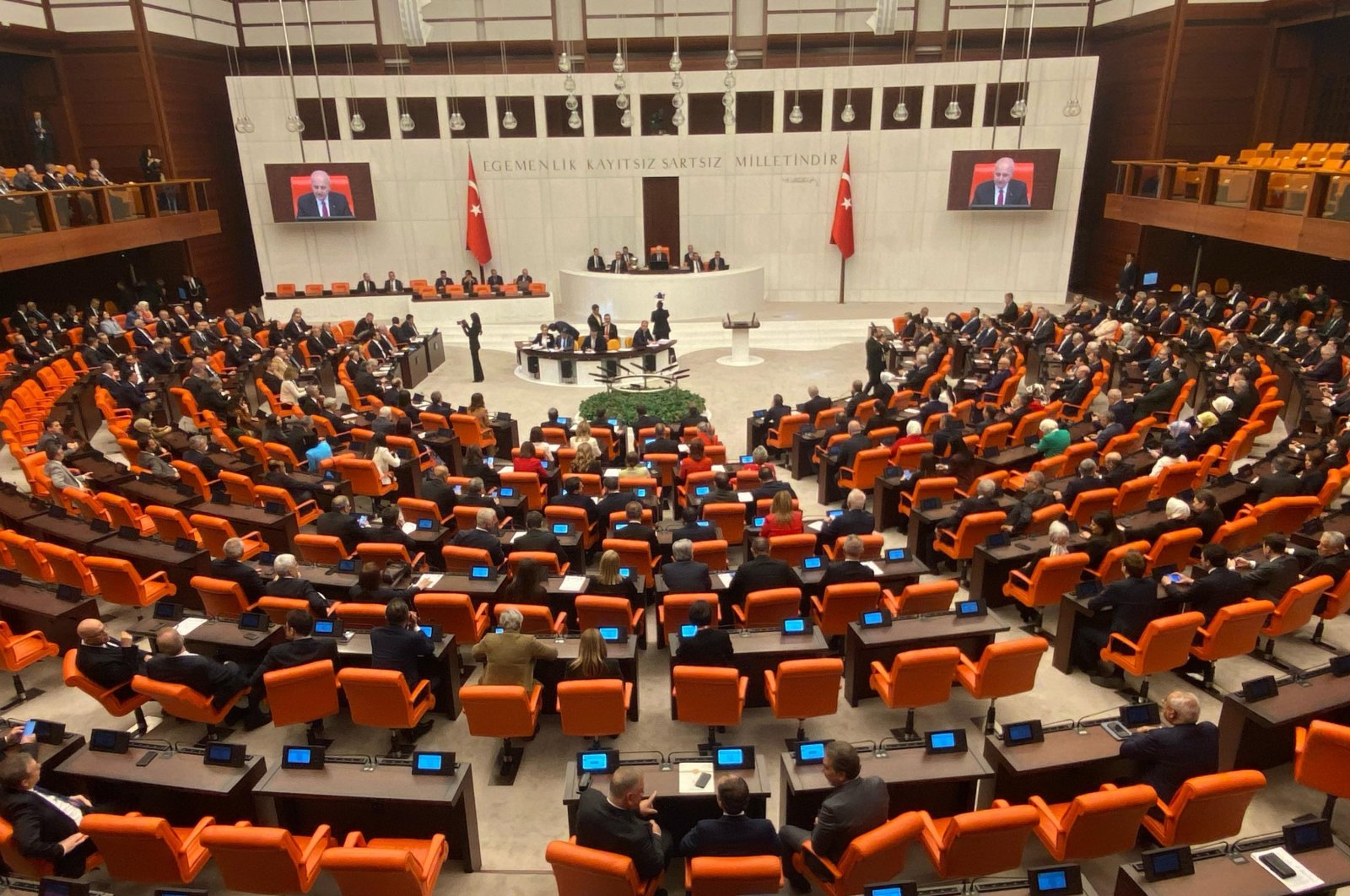
A report based on the message from the Speaker of the National Assembly, Sardar Ayaz Sadiq, on the International Day of Tolerance, highlights the critical link between social values and the achievement of Sustainable Development Goal 16 (Peace, Justice and Strong Institutions).
- Tolerance, mutual respect, and harmony were identified as fundamental values for building a peaceful, strong, and stable society.
- The promotion of understanding and dialogue was stressed as an urgent global need to foster cooperation and reduce all forms of violence, in line with Target 16.1.
- Respect for dissent was cited as the core essence of democracy, essential for achieving the social harmony and political stability required for just and inclusive societies.
- A national call to action was made to unite against hatred, prejudice, and extremism, thereby strengthening efforts to promote peace and security.
Strengthening Partnerships and Institutions (SDG 16 & SDG 17)
The Speaker outlined the Parliament’s commitment and urged for collaborative action to build effective institutions and partnerships, reflecting the principles of SDG 16 and SDG 17 (Partnerships for the Goals).
- The Parliament affirmed its commitment to promoting tolerance and fraternity across the country, thereby strengthening effective, accountable, and transparent institutions at all levels (Target 16.6).
- A formal appeal was issued to both the government and the opposition to adopt a culture of dialogue, consultation, and restraint in the national interest, embodying the multi-stakeholder partnership approach of SDG 17.
- The peaceful resolution of all issues through dialogue was advocated as the primary mechanism for ensuring responsive, inclusive, and representative decision-making (Target 16.7).
Education for Sustainable Development and Global Citizenship (SDG 4)
Emphasis was placed on the role of education in shaping a sustainable future, directly contributing to SDG 4 (Quality Education).
- It was deemed essential to inculcate values of tolerance, patience, positive thinking, and mutual respect among the nation’s youth.
- This focus on values-based education aligns with Target 4.7, which seeks to ensure all learners acquire the knowledge and skills needed to promote sustainable development, including the promotion of a culture of peace and non-violence.
- The long-term objective is to strengthen the foundations of a peaceful, stable, and prosperous Pakistan for future generations.
Guiding Principles for National Progress
The message concluded by referencing foundational principles that support the broader 2030 Agenda for Sustainable Development.
- The core teachings of Islam—peace, tolerance, fraternity, and respect for humanity—were presented as a framework for countering intolerance, division, and extremism.
- It was expressed that by strengthening bonds of brotherhood and harmony, Pakistan can advance towards lasting peace, progress, and prosperity, achieving the overarching goals of the SDGs.
Analysis of the Article in Relation to Sustainable Development Goals
1. Which SDGs are addressed or connected to the issues highlighted in the article?
-
SDG 16: Peace, Justice and Strong Institutions
This is the most prominent SDG in the article. The text repeatedly emphasizes the need for a “peaceful, strong and stable society,” “social harmony and political stability,” and countering “hatred, prejudice, and extremism.” The article highlights the role of the “Parliament” as a key institution committed to these goals and calls for resolving issues through “peaceful dialogue,” which are central tenets of SDG 16.
-
SDG 4: Quality Education
The article connects the goal of a peaceful society to the education of young people. The statement that it is “essential to inculcate tolerance, patience, positive thinking, and mutual respect among the youth” directly relates to SDG 4, specifically its focus on education for sustainable development and global citizenship.
-
SDG 10: Reduced Inequalities
The call for the nation to “unite against hatred, prejudice, and extremism” and to strengthen “bonds of brotherhood, harmony, and mutual respect” aligns with the aim of SDG 10 to promote social inclusion and reduce inequalities by fostering a society where all individuals are respected.
-
SDG 17: Partnerships for the Goals
The article explicitly urges collaboration between different political entities. The plea for the “government and the opposition to adopt a culture of dialogue, consultation, and restraint in the larger national interest” is a clear call for a multi-stakeholder partnership at the national level to achieve common goals of peace and stability, which is the essence of SDG 17.
2. What specific targets under those SDGs can be identified based on the article’s content?
-
Target 16.7: Ensure responsive, inclusive, participatory and representative decision-making at all levels.
The article directly supports this target by stating that “respect for dissent is the true essence of democracy” and urging political actors to “resolve all issues through peaceful dialogue” and adopt a “culture of dialogue, consultation, and restraint.”
-
Target 16.6: Develop effective, accountable and transparent institutions at all levels.
The reference to the “Parliament” being “committed to promoting tolerance, fraternity and mutual respect” and having “taken all necessary measures in this regard” points to the role of effective and responsible national institutions in building a stable society.
-
Target 4.7: Ensure that all learners acquire the knowledge and skills needed to promote sustainable development, including… a culture of peace and non-violence… and appreciation of cultural diversity.
This target is clearly identified in the call to “inculcate tolerance, patience, positive thinking, and mutual respect among the youth so that the foundations of a peaceful, stable, and prosperous Pakistan can be strengthened.”
3. Are there any indicators mentioned or implied in the article that can be used to measure progress towards the identified targets?
The article does not provide quantitative data or official indicators. However, it implies several qualitative indicators that could be used to measure progress:
- Level of political stability and social harmony: The article’s goal is to achieve “social harmony and political stability.” A reduction in political conflict and social unrest would be a key indicator of progress.
- Prevalence of dialogue and consultation: An increase in the frequency and effectiveness of “dialogue” and “consultation” between the government and opposition on national issues would indicate progress towards Target 16.7.
- Integration of values in education: The extent to which values of “tolerance, patience, positive thinking, and mutual respect” are incorporated into the national curriculum and youth programs would be an indicator for Target 4.7.
- Reduction in extremism and prejudice: A decrease in incidents related to “hatred, prejudice, and extremism” would serve as a measure of success in creating a more tolerant society.
4. Table of SDGs, Targets, and Indicators
| SDGs | Targets | Indicators (Implied from the article) |
|---|---|---|
| SDG 16: Peace, Justice and Strong Institutions | Target 16.7: Ensure responsive, inclusive, participatory and representative decision-making at all levels. |
|
| SDG 16: Peace, Justice and Strong Institutions | Target 16.6: Develop effective, accountable and transparent institutions at all levels. |
|
| SDG 4: Quality Education | Target 4.7: Ensure that all learners acquire the knowledge and skills needed to promote sustainable development, including a culture of peace and non-violence. |
|
| SDG 10: Reduced Inequalities | Target 10.2: Empower and promote the social, economic and political inclusion of all. |
|
Source: nation.com.pk
What is Your Reaction?
 Like
0
Like
0
 Dislike
0
Dislike
0
 Love
0
Love
0
 Funny
0
Funny
0
 Angry
0
Angry
0
 Sad
0
Sad
0
 Wow
0
Wow
0