









































Two Caribbean Islands Seek Justice From France for Pesticide Poisoning – Inside Climate News
Report on Chlordecone Contamination in French Caribbean Territories and its Impact on Sustainable Development Goals
This report details the extensive environmental and public health crisis in the French Caribbean islands of Guadeloupe and Martinique resulting from prolonged exposure to the pesticide chlordecone. The situation represents a significant failure to meet multiple United Nations Sustainable Development Goals (SDGs), particularly those concerning health, environmental safety, and social equity.
Health and Well-being Crisis: A Failure to Uphold SDG 3
The widespread use of chlordecone has led to a public health disaster, directly contravening the objectives of SDG 3 (Good Health and Well-being). Over 90% of the local population shows traces of the pesticide, leading to severe health consequences.
Reproductive and Developmental Health Impacts
The contamination has had devastating effects on reproductive health, a critical component of SDG 3. Recent research and legal cases highlight these impacts:
- A landmark March 2025 court ruling recognized the state’s liability for the emotional distress caused to Georgina Lambert, who suffered six miscarriages linked to her childhood exposure to chlordecone.
- An epidemiologic study published in October 2025 found that women with high concentrations of chlordecone were 25-28% less likely to conceive per menstrual cycle.
- Studies have also linked the endocrine-disrupting chemical to premature births and potential neuro-developmental difficulties in children.
Increased Cancer Risk
The islands exhibit some of the world’s highest rates of prostate cancer, a direct consequence of chlordecone exposure, which the World Health Organization classified as a carcinogen in 1979.
- The case of Michel Trujillo, diagnosed with recurring prostate cancer after consuming contaminated bottled water for years, illustrates the pervasive risk beyond direct plantation work.
- The court acknowledged that the anxiety experienced by cancer patients over the risk of recurrence is directly linked to chlordecone exposure.
- Prostate cancer has been recognized as an occupational disease for plantation workers, but the recent court ruling expands recognition to the broader population affected by environmental exposure.
Environmental Degradation and Contamination (SDG 6, SDG 14, SDG 15)
The persistence of chlordecone in the environment constitutes a long-term violation of goals aimed at protecting ecosystems on land and in water.
Violation of SDG 6 (Clean Water and Sanitation) and SDG 15 (Life on Land)
Chlordecone’s chemical stability, with a lifespan of up to 600 years in soil, has led to irreversible environmental damage, undermining both SDG 15 and SDG 6.
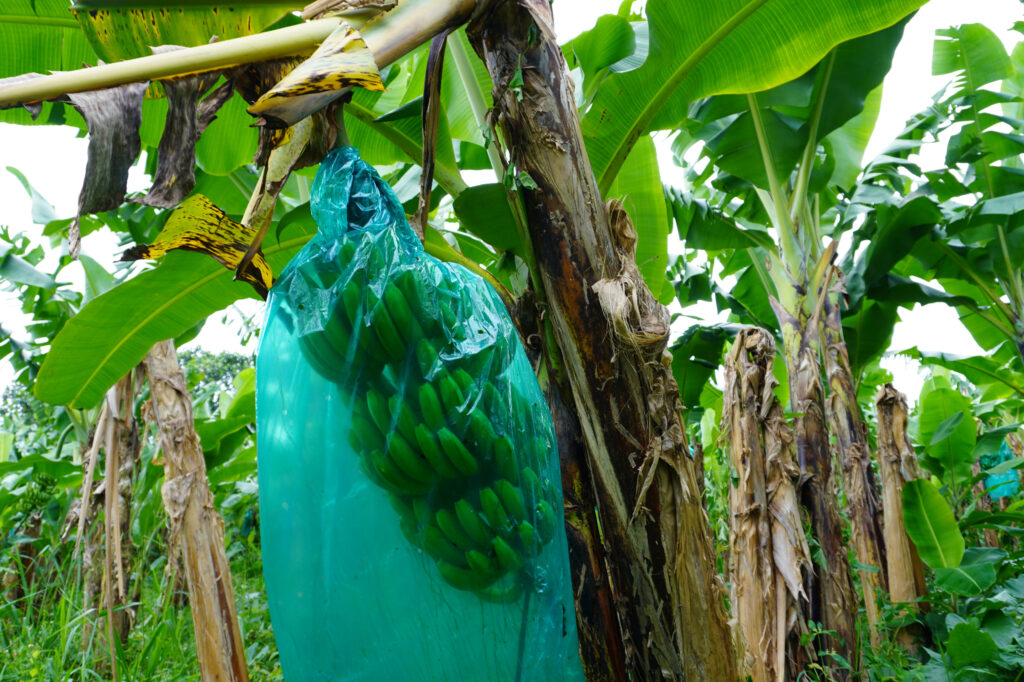
- The pesticide has seeped from banana plantations into the soil, contaminating vast areas of agricultural land.
- Rainfall continuously washes the chemical into rivers, streams, and groundwater, contaminating the islands’ water supply and threatening access to clean water.
- The contamination is so widespread that even bottled spring water has been found to contain chlordecone at levels exceeding safety limits.
Impact on Food Systems and Marine Life (SDG 2, SDG 14)
The contamination has infiltrated the entire food chain, compromising food security (SDG 2: Zero Hunger) and marine ecosystems (SDG 14: Life Below Water).
- Vegetables and root crops grown in traditional Creole gardens absorb the toxin from the soil.
- Livestock become contaminated by grazing on poisoned land.
- Coastal waters and marine life are contaminated, leading to fishing prohibitions along most of Martinique’s coast.
Socio-Economic Disparities and Systemic Failures (SDG 1, SDG 10, SDG 12)
The crisis exposes deep-seated issues related to inequality, irresponsible production, and poverty, highlighting failures in achieving key socio-economic SDGs.
Irresponsible Production and Consumption (SDG 12)
The continued use of chlordecone in the French Caribbean until the mid-1990s, long after it was banned in the United States (1976) and classified as a carcinogen (1979), is a clear failure of SDG 12 (Responsible Consumption and Production). This reflects a lack of responsible management of chemicals and waste from the state and agricultural industry.
Poverty and Inequality (SDG 1, SDG 10)
The response to the crisis and its impact on the population are exacerbated by underlying economic and social disparities, undermining SDG 1 (No Poverty) and SDG 10 (Reduced Inequalities).
- With nearly one-third of the population living in poverty and food prices 40% higher than in mainland France, many families rely on traditional gardens for sustenance, forcing them to choose between food security and exposure to toxins.
- There is a widespread sentiment among residents that the crisis would have been managed with more urgency and resources in mainland France, pointing to a deep sense of inequality and abandonment.
Pursuit of Justice and Institutional Response (SDG 16)
The long struggle for accountability and adequate government action relates directly to SDG 16 (Peace, Justice and Strong Institutions), which calls for effective, accountable, and inclusive institutions at all levels.
Legal Battles for Recognition and Justice
Victims have faced significant obstacles in their pursuit of justice.
- A criminal case filed in 2006 was dismissed after 16 years, though it is set for re-examination.
- The March 2025 ruling compensating 11 victims for health impacts and emotional distress was a landmark victory, establishing a legal precedent.
- However, the state’s decision to appeal this ruling has been criticized as contradictory to its public acknowledgments of responsibility, undermining trust in institutional processes.
Inadequacy of Current Mitigation Measures
While the French government has implemented measures, many residents and local organizations find them insufficient.
- Programs offering free blood and soil testing are in place to help residents monitor and reduce exposure.
- Recommendations often involve building above-ground gardens with clean soil, an adaptive strategy that does not address the root contamination.
- Policies allowing food with chlordecone below a “maximum residue limit” to be sold are viewed by advocacy groups not as a solution, but as an attempt to manage an unacceptable problem. Community leaders advocate for a “zero chlordecone” approach to fully protect public health.
Analysis of Sustainable Development Goals in the Article
1. Which SDGs are addressed or connected to the issues highlighted in the article?
-
SDG 3: Good Health and Well-being
- The article extensively discusses the severe health consequences of chlordecone exposure, including high rates of prostate cancer, repeated miscarriages, impaired fertility, and potential neuro-developmental issues in children. This directly relates to ensuring healthy lives and promoting well-being.
-
SDG 6: Clean Water and Sanitation
- The contamination of water sources is a central theme. The article states that the pesticide “seeps into the soil, contaminating water sources,” including rivers, waterfalls, harbors, and even bottled spring water, threatening the availability of safe drinking water.
-
SDG 10: Reduced Inequalities
- The article highlights a sense of injustice rooted in colonialism and inequality. Residents feel that the French government’s response has been inadequate and that “the same situation would have been handled differently in mainland France,” pointing to inequality in how overseas territories are treated.
-
SDG 12: Responsible Consumption and Production
- The issue stems from unsustainable agricultural production patterns, specifically the prolonged use of a highly toxic pesticide (chlordecone) in banana plantations long after its dangers were known and it was banned elsewhere. This points to a failure in the environmentally sound management of chemicals.
-
SDG 15: Life on Land
- The article describes widespread and long-lasting soil contamination. Chlordecone has a lifespan of up to 600 years in soil, degrading the land, poisoning the food chain, and making traditional gardening practices unsafe, which directly relates to protecting and restoring terrestrial ecosystems.
-
SDG 16: Peace, Justice and Strong Institutions
- The victims’ long legal struggle for recognition and compensation is a key focus. The article details court cases, the state’s decision to appeal a ruling that found it liable, and the dismissal of a criminal case after 16 years, all of which relate to access to justice and the accountability of institutions.
2. What specific targets under those SDGs can be identified based on the article’s content?
-
Target 3.9: Substantially reduce the number of deaths and illnesses from hazardous chemicals and air, water and soil pollution and contamination.
- The entire article is a case study of illnesses (prostate cancer, reproductive failures) directly caused by a hazardous chemical (chlordecone) that has contaminated the soil and water of Guadeloupe and Martinique.
-
Target 6.3: By 2030, improve water quality by reducing pollution, eliminating dumping and minimizing release of hazardous chemicals and materials.
- The article details how chlordecone continues to seep from the soil into water sources, including rivers and drinking water. The story of Michel Trujillo discovering his bottled water was heavily contaminated exemplifies the failure to protect water quality from chemical pollution.
-
Target 12.4: By 2020, achieve the environmentally sound management of chemicals and all wastes throughout their life cycle… and significantly reduce their release to air, water and soil in order to minimize their adverse impacts on human health and the environment.
- The French authorities allowed the use of chlordecone in the banana plantations until the mid-1990s, years after the WHO classified it as a carcinogen (1979) and the U.S. EPA cancelled its registration (1976). This represents a significant failure in the sound management of chemicals.
-
Target 15.3: By 2030, combat desertification, restore degraded land and soil, including land affected by… contamination.
- The article states that the pesticide can persist in soils for up to 600 years, representing a severe and long-term degradation of the land. Government-funded programs that test soil and advise residents to build above-ground gardens are attempts to mitigate, not restore, this contaminated land.
-
Target 16.3: Promote the rule of law at the national and international levels and ensure equal access to justice for all.
- The victims’ multi-year legal battles, such as the criminal case that was dismissed after 16 years and the state’s appeal of a landmark ruling, illustrate the significant challenges the affected population faces in accessing justice and holding the state accountable.
3. Are there any indicators mentioned or implied in the article that can be used to measure progress towards the identified targets?
-
Prevalence of chlordecone in the population’s blood.
- The article explicitly states that “more than 90 percent of the population of those islands carries traces of chlordecone in their blood.” The government’s provision of free blood tests (“chlordeconemie”) is a direct tool to measure this indicator. This relates to Target 3.9.
-
Incidence rate of specific diseases.
- The article mentions that “Guadeloupe and Martinique have some of the highest rates of prostate cancer in the world.” Tracking the incidence of prostate cancer, miscarriages, and other linked health issues serves as a direct indicator of the health impact of the contamination (Target 3.9).
-
Concentration of pollutants in water and soil.
- The lab report commissioned by Michel Trujillo, which found chlordecone levels in bottled water “three times higher than what was allowed,” is an example of this indicator. The Jafa organization’s program, which conducted “about 8,170 tests” on soil, is a systematic effort to measure soil contamination levels (Targets 6.3 and 15.3).
-
Number of legal claims processed and compensated.
- The article mentions that in the landmark case, “11 victims were recognized” and ordered to be compensated. The number of successful claims and the amount of compensation awarded can serve as an indicator for measuring access to justice for victims (Target 16.3).
4. Summary Table of SDGs, Targets, and Indicators
| SDGs | Targets | Indicators |
|---|---|---|
| SDG 3: Good Health and Well-being | 3.9: Substantially reduce the number of deaths and illnesses from hazardous chemicals and air, water and soil pollution and contamination. |
|
| SDG 6: Clean Water and Sanitation | 6.3: Improve water quality by reducing pollution and minimizing release of hazardous chemicals. |
|
| SDG 12: Responsible Consumption and Production | 12.4: Achieve the environmentally sound management of chemicals to minimize their adverse impacts on human health and the environment. |
|
| SDG 15: Life on Land | 15.3: Combat desertification, restore degraded land and soil, including land affected by contamination. |
|
| SDG 16: Peace, Justice and Strong Institutions | 16.3: Promote the rule of law and ensure equal access to justice for all. |
|
Source: insideclimatenews.org
What is Your Reaction?
 Like
0
Like
0
 Dislike
0
Dislike
0
 Love
0
Love
0
 Funny
0
Funny
0
 Angry
0
Angry
0
 Sad
0
Sad
0
 Wow
0
Wow
0