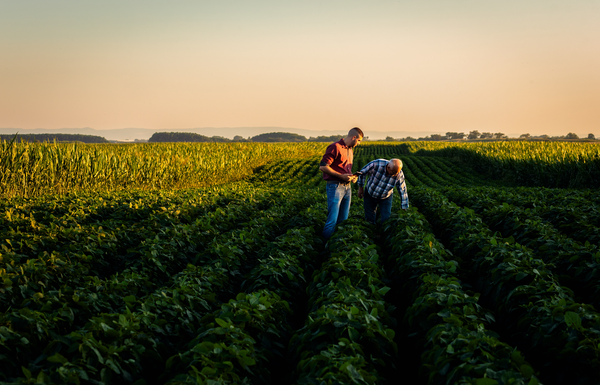
U.S.-China soybean tussle reveals Beijing’s food security strategy. Goldman Sachs on how to invest – CNBC

China’s Agricultural Development and Sustainable Progress: A Focus on SDGs
Introduction
China’s gradual increase in domestic soybean production, supported by strong policy measures, highlights the country’s commitment to enhancing food self-sufficiency. This development aligns with several Sustainable Development Goals (SDGs), particularly SDG 2 (Zero Hunger), SDG 9 (Industry, Innovation, and Infrastructure), and SDG 12 (Responsible Consumption and Production).
Policy Support and Agricultural Improvements
Recent policy documents emphasize the importance of supporting domestic agriculture to reduce reliance on imports. Soybeans, a critical component of livestock feed, have seen significant improvements due to enhanced arable land management and optimized animal feed demand.
- Food Self-Sufficiency: China aims to drastically reduce soybean imports by increasing domestic yields.
- Yield Projections: By 2035, China’s corn and soybean yields are expected to reach 80% to 85% of U.S. levels, up from approximately 50% currently.
- Feed Optimization: Reduction of soybean content in animal feed by 25% is anticipated, contributing to more sustainable livestock production.
Trade Dynamics and Import Trends
- China, the world’s largest soybean importer, paused U.S. soybean purchases amid trade tensions but resumed buying after a trade truce in October.
- Current import volumes remain below initial expectations, reflecting China’s strategic shift towards self-reliance.
- Goldman Sachs analysts note that China has stabilized its grain import reliance for the first time in two decades and is building capacity to potentially reverse this trend.
Investment in Agricultural Research and Development
China’s public sector investment in agricultural R&D has reached an average of $6.6 billion annually from 2019 to 2021, a fivefold increase compared to two decades ago. This investment supports SDG 9 by fostering innovation and infrastructure development in agriculture.
Key Agricultural Stock Plays Supporting Sustainable Development
-
Biotech Seeds: Shenzhen-listed Dabeinong
Price Target: 7.5 yuan ($1.06)
- Seeds are fundamental to crop production, analogous to “chips” in food production.
- Dabeinong’s dominance in biotech seeds positions it to capitalize on the growing market for genetically modified crops, enhancing yield and sustainability (SDG 2, SDG 9).
-
Agricultural Machinery: Hong Kong-listed First Tractor
Price Target: 14 Hong Kong dollars ($1.80)
- China’s largest agricultural tractor producer, poised to benefit from trends toward higher horsepower and intelligent tractors.
- Supports agricultural modernization and food security goals, aligning with SDG 9 and SDG 2.
-
Slow-Release Fertilizer Producers: Shanghai-listed Yunnan Yuntianhua
Price Target: 45 yuan
- One of China’s top fertilizer producers with significant market share.
- 100% self-sufficiency in upstream resources allows for capturing upstream profits and promoting sustainable fertilizer production (SDG 12).
- Offers the highest dividend yield among China agriculture stocks covered.
Conclusion
China’s strategic focus on enhancing domestic agricultural production, supported by robust policy frameworks and significant R&D investment, contributes to multiple Sustainable Development Goals. These efforts not only aim to secure food supply but also promote sustainable industrial innovation and responsible resource management, positioning China as a key player in global sustainable agriculture.
1. Sustainable Development Goals (SDGs) Addressed
- SDG 2: Zero Hunger
- The article discusses China’s efforts to improve food self-sufficiency, increase domestic agricultural production, and reduce reliance on imports, which directly relates to ending hunger and achieving food security.
- SDG 9: Industry, Innovation and Infrastructure
- Investment in agricultural research and development, biotechnology seeds, and modernization of agricultural machinery indicates a focus on innovation and infrastructure development in agriculture.
- SDG 12: Responsible Consumption and Production
- Efforts to reduce soybean content in animal feed by 25% and improve fertilizer production efficiency relate to sustainable consumption and production patterns.
- SDG 15: Life on Land
- Improvements in arable land management and sustainable agricultural practices contribute to the protection and restoration of terrestrial ecosystems.
2. Specific Targets Under the Identified SDGs
- SDG 2: Zero Hunger
- Target 2.3: By 2030, double the agricultural productivity and incomes of small-scale food producers through sustainable food production systems.
- Target 2.4: Ensure sustainable food production systems and implement resilient agricultural practices.
- SDG 9: Industry, Innovation and Infrastructure
- Target 9.5: Enhance scientific research, upgrade the technological capabilities of industrial sectors, including agriculture.
- SDG 12: Responsible Consumption and Production
- Target 12.2: Achieve the sustainable management and efficient use of natural resources.
- Target 12.5: Substantially reduce waste generation through prevention, reduction, recycling, and reuse.
- SDG 15: Life on Land
- Target 15.3: Combat desertification, restore degraded land and soil, including land affected by drought.
3. Indicators Mentioned or Implied in the Article
- Food Self-Sufficiency Rate
- China’s increase in domestic production of soybeans and corn, aiming for yields reaching 80% to 85% of U.S. levels by 2035.
- Import Dependency
- Reduction in soybean imports and stabilization of grain import reliance after two decades.
- Agricultural R&D Spending
- Annual public sector spending on agricultural research and development reaching $6.6 billion (2019-2021), indicating investment in innovation.
- Yield Improvement
- Projected increase in crop yields (corn and soybean) and reduction in soybean content in animal feed by 25%.
- Market Share and Production Capacity
- Market share of fertilizer producers and self-sufficiency in upstream resources as indicators of sustainable production capacity.
4. Table of SDGs, Targets, and Indicators
| SDGs | Targets | Indicators |
|---|---|---|
| SDG 2: Zero Hunger |
|
|
| SDG 9: Industry, Innovation and Infrastructure |
|
|
| SDG 12: Responsible Consumption and Production |
|
|
| SDG 15: Life on Land |
|
|
Source: cnbc.com
What is Your Reaction?
 Like
0
Like
0
 Dislike
0
Dislike
0
 Love
0
Love
0
 Funny
0
Funny
0
 Angry
0
Angry
0
 Sad
0
Sad
0
 Wow
0
Wow
0