
















































;Resize=620#)








Vietnam’s Lao Cai Province Creates Thriving Rural Tourism Destination Where Travelers Experience Authentic Village Life, Agricultural Practices, And Sustainable Hospitality – Travel And Tour World
Report on Sustainable Rural Tourism Development in Lao Cai Province, Vietnam
Introduction: Aligning Tourism with Sustainable Development Goals
Vietnam’s Lao Cai Province has successfully implemented a rural tourism model that integrates authentic cultural immersion, agricultural practices, and sustainable hospitality. This initiative directly supports several United Nations Sustainable Development Goals (SDGs) by fostering economic growth, preserving cultural heritage, and promoting environmental stewardship. The model serves as a framework for achieving sustainable development, with a particular focus on SDG 8 (Decent Work and Economic Growth) and SDG 1 (No Poverty) by creating new income streams for rural populations.
Case Study: The Ban Lien Commune Model
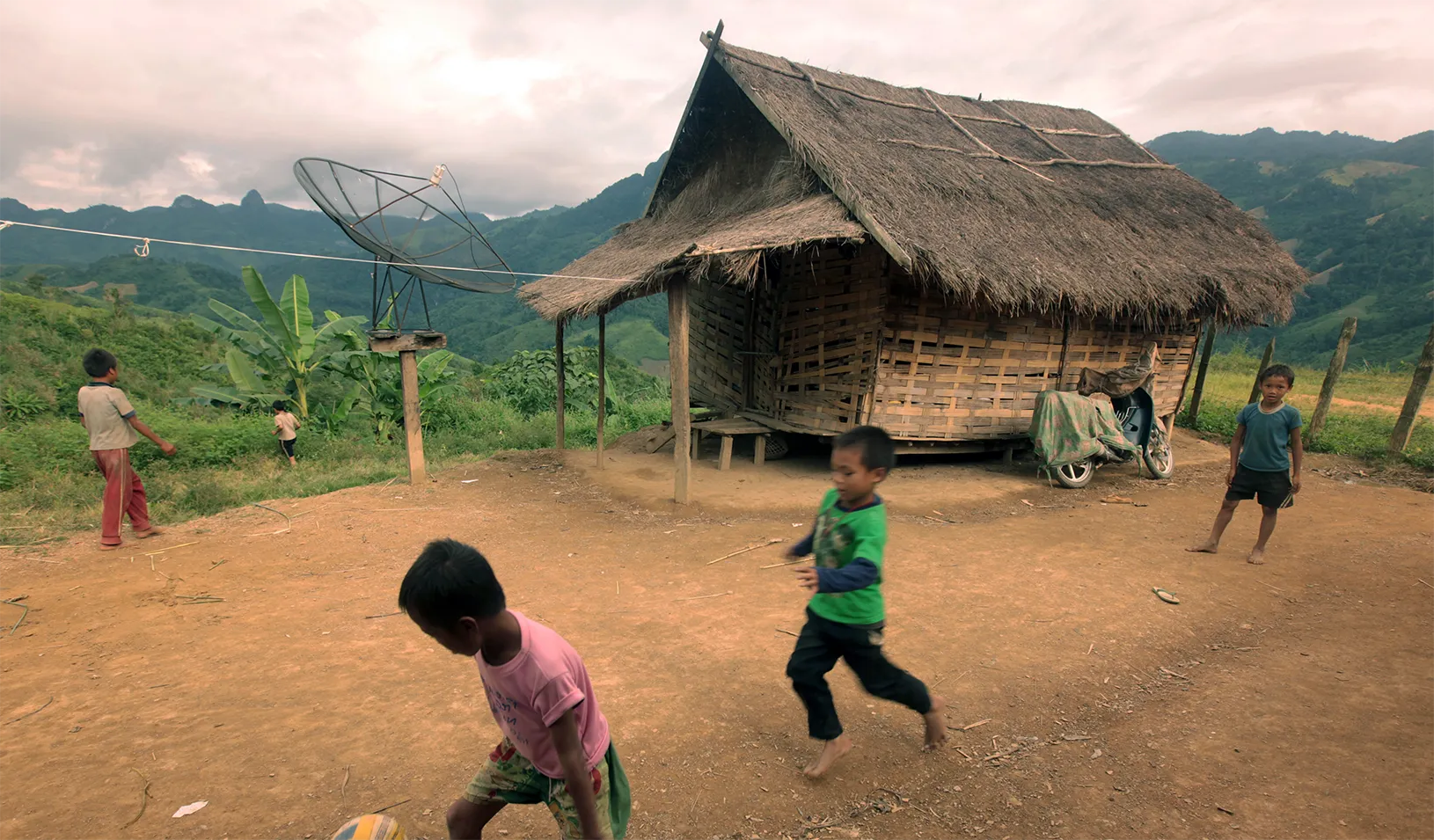
The Ban Lien Commune exemplifies Lao Cai’s sustainable tourism strategy. The model is built on providing visitors with authentic, hands-on experiences that are both affordable and have a low environmental impact. This approach contributes to SDG 11 (Sustainable Cities and Communities) by safeguarding the cultural and natural heritage of the Tay ethnic group.
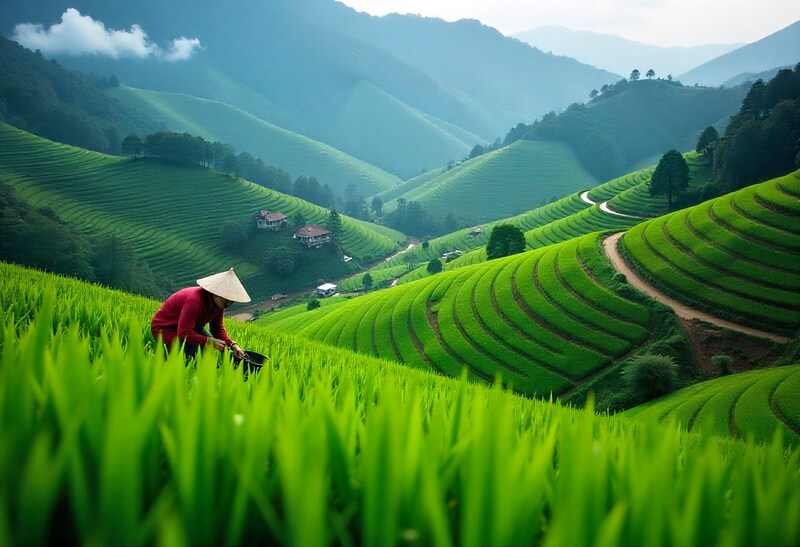
- Immersive Activities: Tourists participate in daily agricultural routines, including tea picking, rice planting, and stream fishing, fostering a direct connection to the local lifestyle and production methods.
- Community-Based Lodging: Visitors stay in traditional stilt houses, promoting cultural exchange and ensuring that tourism revenue directly benefits local households.
- Affordable Pricing Structure: Accommodation is priced at approximately VND 150,000 (USD 6) per person, with guided farm activities at VND 500,000 (USD 20) per group, making the experience accessible while supporting the local economy.
This model promotes SDG 12 (Responsible Consumption and Production) by encouraging tourism that respects local traditions and utilizes local resources sustainably, such as serving locally sourced cuisine.
Economic and Social Impact on Rural Communities
The integration of tourism has transformed quiet farming villages into dynamic rural hubs, generating significant economic and social benefits. This progress is a clear indicator of success in achieving SDG 1 (No Poverty) and SDG 8 (Decent Work and Economic Growth).
- Income Diversification: Tourism provides a new source of income, reducing reliance on agriculture alone and improving living standards.
- Job Creation: The model creates local employment opportunities in hospitality, guiding services, and the sale of handicrafts.
- Cultural Preservation: By monetizing traditional practices and heritage, the community is incentivized to preserve its cultural identity for future generations, directly supporting the targets of SDG 11.
Provincial Strategy and Expansion of Sustainable Tourism
Lao Cai’s commitment to sustainable tourism extends beyond a single commune. The province is scaling this model across other districts, including Sa Pa, Bac Ha, and Bat Xat. The provincial government’s strategy focuses on quality and sustainability, as evidenced by the hundreds of homestays that have achieved ASEAN certification.
Key Strategic Initiatives
- “One Day as a Farmer” Program: This initiative offers tourists a deeper understanding of sustainable agricultural practices, reinforcing the principles of SDG 12.
- Development of Eco-Tourism Sites: The government plans to promote eco- and adventure tourism at key natural sites, such as Ngu Chi Son and the Rong and Ong waterfalls. This aligns with SDG 15 (Life on Land) by creating economic value from the preservation of natural ecosystems.
Policy, Governance, and Future Outlook
The development of rural tourism in Lao Cai is supported by national strategies aimed at improving rural livelihoods between 2025 and 2030. The government has set clear objectives to formalize and enhance the sustainability of this sector.
Government Goals
- Establish six ASEAN-standard community tourism models.
- Promote the preservation of natural resources alongside tourism development.
- Link tourism growth directly to environmental conservation and cultural preservation efforts.
These policies ensure that the growth of tourism contributes positively to long-term sustainable development, creating a harmonious relationship between economic activity, community well-being, and environmental health, thereby addressing multiple SDGs simultaneously.
Conclusion: A Replicable Model for Sustainable Development
Lao Cai Province has established a successful and replicable model for rural tourism that effectively advances the Sustainable Development Goals. By prioritizing community involvement, cultural authenticity, and environmental sustainability, the province has created a tourism product that generates economic benefits while preserving its unique heritage. This approach serves as a powerful example of how tourism can be harnessed as a tool for achieving SDG 1 (No Poverty), SDG 8 (Decent Work and Economic Growth), SDG 11 (Sustainable Cities and Communities), SDG 12 (Responsible Consumption and Production), and SDG 15 (Life on Land).
Analysis of Sustainable Development Goals in the Article
1. Which SDGs are addressed or connected to the issues highlighted in the article?
-
SDG 1: No Poverty
The article highlights how the rural tourism model in Lao Cai Province is creating new sources of income and improving the living standards of local communities. By transforming quiet farming villages into tourism hubs, it provides economic opportunities that directly contribute to poverty reduction in rural areas.
-
SDG 8: Decent Work and Economic Growth
The development of sustainable tourism in Lao Cai is a central theme. The article states that this model “creates jobs and stimulates local economies.” It focuses on creating economic value through tourism while preserving cultural and natural assets, which is a core principle of sustainable economic growth.
-
SDG 11: Sustainable Cities and Communities
The article emphasizes the preservation of cultural heritage and natural resources. It mentions the protection of “traditional Tay stilt houses” and the promotion of local culture. The entire model is built on making rural communities more sustainable by integrating tourism in a way that “preserves cultural heritage while also improving living standards.”
-
SDG 12: Responsible Consumption and Production
The focus on “eco-friendly lodging,” “sustainable hospitality,” and “eco-tourism” directly relates to sustainable consumption and production patterns. The province is promoting a tourism model that minimizes environmental impact and maximizes community benefits, as seen in the government’s goal to establish “ASEAN-standard community tourism models.”
-
SDG 15: Life on Land
The article explicitly mentions that Lao Cai’s initiatives aim to “preserve natural resources” and link “tourism with environmental conservation.” The promotion of eco-tourism in scenic areas like “Ngu Chi Son and the Rong and Ong waterfalls” demonstrates a commitment to protecting terrestrial ecosystems while leveraging them for sustainable development.
2. What specific targets under those SDGs can be identified based on the article’s content?
-
Target 1.2: Reduce poverty in all its dimensions
The article supports this target by describing how the tourism model has “flourished into a rural tourism hub that maintains its traditional agricultural practices while also creating new sources of income” and is aimed at “improving the living standards of rural communities.”
-
Target 8.9: Promote sustainable tourism
This target is directly addressed. The article details how Lao Cai has “harnessed the tourism potential of eco-friendly practices” to create a model that “creates jobs and stimulates local economies.” The “One Day as a Farmer” program and the development of homestays that promote local culture are prime examples of implementing policies for sustainable tourism.
-
Target 11.4: Protect and safeguard the world’s cultural and natural heritage
The tourism model is designed to preserve local culture. The article notes that it allows the community to “preserve its cultural heritage” by integrating tourism with traditional farming and offering experiences like “traditional performances, and the sale of local handicrafts and brocade.”
-
Target 12.b: Develop and implement tools to monitor sustainable tourism impacts
The article implies progress towards this target by mentioning that many homestays “have received ASEAN certification for their quality.” Furthermore, the government’s goal to establish “six ASEAN-standard community tourism models” indicates a strategic effort to implement and adhere to recognized sustainability standards in tourism.
-
Target 15.1: Ensure the conservation and sustainable use of terrestrial ecosystems
The article states that Lao Cai is “fostering a harmonious relationship between development and nature” by “linking tourism with environmental conservation.” The focus on eco-tourism and preserving natural resources in key sites is a direct action towards the sustainable use of terrestrial ecosystems.
3. Are there any indicators mentioned or implied in the article that can be used to measure progress towards the identified targets?
-
Indicator for Target 8.9 (Tourism direct GDP)
While not providing exact figures, the article implies a positive economic impact by stating that rural tourism provides a “much-needed economic boost to rural areas, creating jobs and stimulating local economies.” The growth in the number of tourism businesses, such as the “hundreds of homestays,” serves as a proxy indicator for economic growth from tourism.
-
Indicator for Target 11.4 (Expenditure on preservation)
The article implies investment in cultural preservation through the promotion of activities that sustain it. The offering of “guiding services, traditional performances, and the sale of local handicrafts and brocade” indicates that economic resources are being generated and channeled towards safeguarding cultural heritage.
-
Indicator for Target 12.b (Number of sustainable tourism strategies)
The article explicitly mentions government strategies and goals, such as the plan for “rural tourism development between 2025 and 2030” and the goal to establish “six ASEAN-standard community tourism models.” The existence of these strategies and the number of businesses with certifications (e.g., “ASEAN certification”) are clear indicators of progress.
SDGs, Targets, and Indicators Summary
| SDGs | Targets | Indicators |
|---|---|---|
| SDG 1: No Poverty | 1.2: By 2030, reduce at least by half the proportion of men, women and children of all ages living in poverty in all its dimensions according to national definitions. | Creation of new sources of income for rural communities; Improved living standards. |
| SDG 8: Decent Work and Economic Growth | 8.9: By 2030, devise and implement policies to promote sustainable tourism that creates jobs and promotes local culture and products. | Growth in the number of tourism businesses (“hundreds of homestays”); Promotion of local products (handicrafts, brocade); Creation of jobs in rural areas. |
| SDG 11: Sustainable Cities and Communities | 11.4: Strengthen efforts to protect and safeguard the world’s cultural and natural heritage. | Preservation of traditional agricultural practices and Tay stilt houses; Promotion of traditional performances and local cuisine. |
| SDG 12: Responsible Consumption and Production | 12.b: Develop and implement tools to monitor sustainable development impacts for sustainable tourism that creates jobs and promotes local culture and products. | Number of homestays with ASEAN certification; Government goal to establish six ASEAN-standard community tourism models. |
| SDG 15: Life on Land | 15.1: By 2020, ensure the conservation, restoration and sustainable use of terrestrial and inland freshwater ecosystems and their services. | Implementation of eco-tourism initiatives linked with environmental conservation; Promotion of tourism at protected natural sites (Ngu Chi Son, Rong and Ong waterfalls). |
Source: travelandtourworld.com
What is Your Reaction?
 Like
0
Like
0
 Dislike
0
Dislike
0
 Love
0
Love
0
 Funny
0
Funny
0
 Angry
0
Angry
0
 Sad
0
Sad
0
 Wow
0
Wow
0