


























Waterton Lakes National Park – Parks Canada
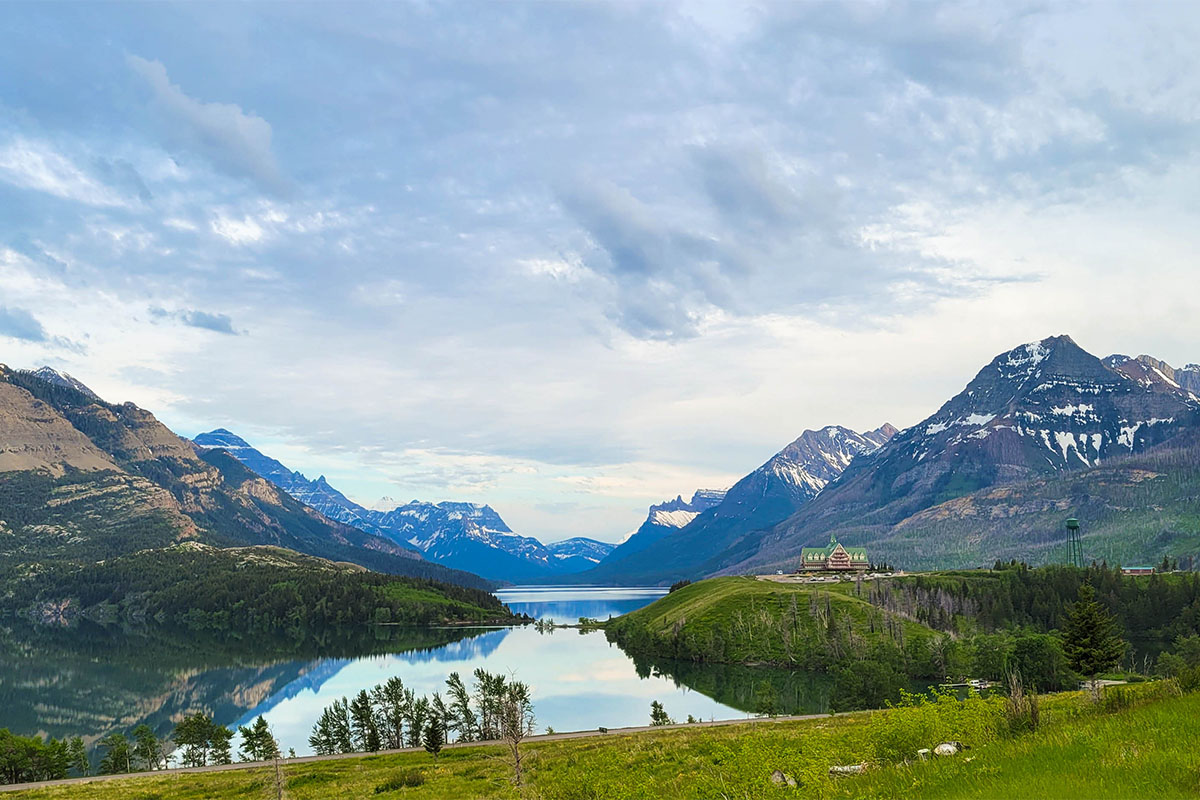
Report on Sustainable Tourism and Park Management at Waterton Lakes National Park
Aligning Visitor Planning with Sustainable Development Goals (SDGs)
Strategic visitor management at Waterton Lakes National Park is integral to achieving key Sustainable Development Goals by balancing public access with ecological preservation. Operational frameworks are designed to support the following:
- SDG 11 (Sustainable Cities and Communities): By providing comprehensive information on transportation, parking, facilities, and services, the park ensures it functions as an accessible, safe, and sustainable public green space for all visitors.
- SDG 12 (Responsible Consumption and Production): Guidance on optimal visitation times helps manage visitor density, promoting sustainable tourism patterns that reduce environmental impact and ensure the long-term health of the park’s resources.
- SDG 15 (Life on Land): The distribution of detailed maps and visitor information is a critical tool for protecting terrestrial ecosystems. It directs visitors along designated routes, minimizing habitat disturbance and safeguarding the park’s biodiversity.
Fee Structure as a Tool for Conservation and Social Equity
The park’s fee and admission policies are structured to advance conservation efforts while promoting inclusive access, directly contributing to specific SDGs.
- SDG 10 (Reduced Inequalities): The implementation of free admission periods and discounted fees for services like camping ensures equitable access to the park’s natural heritage, reducing economic barriers for individuals and families.
- SDG 15 (Life on Land): Revenue generated from program and entry fees is directly reinvested into conservation initiatives. This funding model supports the protection, restoration, and sustainable management of the park’s unique ecosystems, contributing to the preservation of life on land.
Analysis of Sustainable Development Goals in the Article
-
SDGs Addressed or Connected
The article, although brief, connects to several Sustainable Development Goals (SDGs) primarily through its subject matter: a national park and the services offered to visitors.
- SDG 11: Sustainable Cities and Communities: The existence of a national park like Waterton Lakes is a direct effort to protect and safeguard the world’s natural heritage.
- SDG 15: Life on Land: National parks are established to ensure the conservation and sustainable use of terrestrial ecosystems, protect biodiversity, and preserve natural habitats. Waterton Lakes National Park is a clear example of a protected area dedicated to these goals.
- SDG 8: Decent Work and Economic Growth: By providing information to “Plan your visit,” including details on “facilities and services,” the article promotes sustainable tourism, which can create jobs and support local economies.
- SDG 10: Reduced Inequalities: The specific mention of “Free admission and discounted camping fees” points to policies aimed at ensuring that access to natural heritage is not limited by economic status, promoting social inclusion.
-
Specific Targets Identified
Based on the issues highlighted, the following specific SDG targets can be identified:
- Target 11.4: “Strengthen efforts to protect and safeguard the world’s cultural and natural heritage.” The article is about a national park, which is a primary mechanism for safeguarding natural heritage.
- Target 15.1: “By 2020, ensure the conservation, restoration and sustainable use of terrestrial and inland freshwater ecosystems and their services…” The park itself represents a conserved terrestrial ecosystem.
- Target 8.9: “By 2030, devise and implement policies to promote sustainable tourism that creates jobs and promotes local culture and products.” The “Plan your visit” section is a tool to facilitate and manage tourism in the park.
- Target 10.2: “By 2030, empower and promote the social, economic and political inclusion of all, irrespective of… economic or other status.” The policy of offering “Free admission and discounted camping fees” is a direct action to reduce economic barriers and promote inclusion.
-
Indicators Mentioned or Implied
While the article does not provide quantitative data, it implies several indicators used to measure progress towards the identified targets:
- Indicator for Targets 11.4 and 15.1: The existence of Waterton Lakes National Park itself serves as an indicator. It represents a tangible measure of the total area designated as protected for the conservation of natural heritage and biodiversity (related to official indicator 15.1.2: Proportion of important sites for terrestrial and freshwater biodiversity that are covered by protected areas).
- Indicator for Target 8.9: The provision of comprehensive visitor information (“How to get here, best time to visit, parking information, facilities and services, maps”) is an implied indicator of a developed strategy for sustainable tourism. The existence of “program fees” also implies economic activity generated through tourism.
- Indicator for Target 10.2: The policy of “Free admission and discounted camping fees” is a direct indicator of measures being implemented to ensure equitable access for all economic groups. The implementation of such a policy can be measured and tracked.
-
Summary Table of SDGs, Targets, and Indicators
SDGs Targets Indicators SDG 11: Sustainable Cities and Communities 11.4: Strengthen efforts to protect and safeguard the world’s cultural and natural heritage. The existence of Waterton Lakes as a designated National Park, a protected area for natural heritage. SDG 15: Life on Land 15.1: Ensure the conservation, restoration and sustainable use of terrestrial and inland freshwater ecosystems. The park itself as a conserved terrestrial ecosystem, contributing to the national proportion of protected areas. SDG 8: Decent Work and Economic Growth 8.9: Devise and implement policies to promote sustainable tourism. The provision of visitor information (“Plan your visit,” “facilities and services”) as part of a sustainable tourism strategy. SDG 10: Reduced Inequalities 10.2: Empower and promote the social, economic and political inclusion of all. The implementation of a policy offering “Free admission and discounted camping fees” to reduce economic barriers to access.
Source: parks.canada.ca
What is Your Reaction?
 Like
0
Like
0
 Dislike
0
Dislike
0
 Love
0
Love
0
 Funny
0
Funny
0
 Angry
0
Angry
0
 Sad
0
Sad
0
 Wow
0
Wow
0