What is dengue? Infectious disease experts warn against travel to Cuba amid mosquito-borne illness outbreak – CBS News
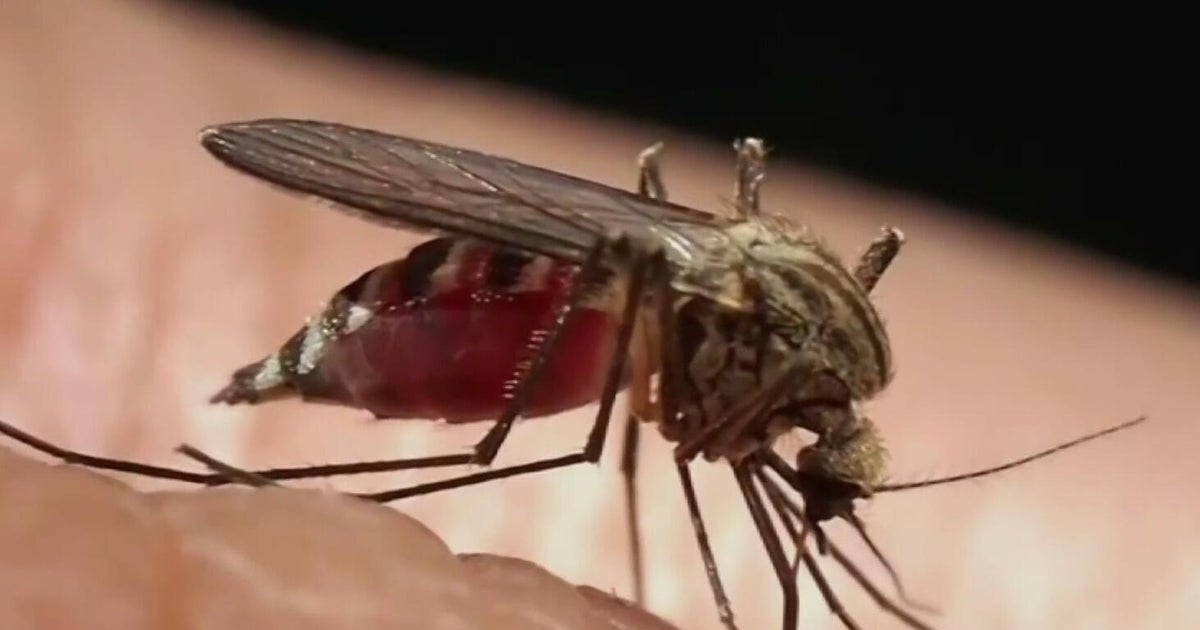
Public Health Crisis in Cuba and Implications for Regional Health Security
An Analysis Through the Lens of the Sustainable Development Goals
A recent increase in mosquito-borne illnesses in Cuba is creating significant public health challenges that directly contravene several Sustainable Development Goals (SDGs). The situation poses a risk to regional health security, as evidenced by cases reported among travelers returning to South Florida. This report analyzes the crisis based on its impact on SDG 3 (Good Health and Well-being), SDG 6 (Clean Water and Sanitation), and SDG 11 (Sustainable Cities and Communities).
Breakdown of Public Service Infrastructure and Health Impacts
Failure to Meet SDG 6 and SDG 11 Targets
Infectious disease experts identify systemic failures in basic public services as the primary driver of the disease outbreak. These failures represent a significant deviation from key SDG targets.
- Inadequate Sanitation (SDG 6): Widespread, uncollected garbage creates conditions for standing water to accumulate.
- Unsafe Communities (SDG 11): The proliferation of standing water serves as an ideal breeding ground for mosquitoes, directly undermining the goal of creating safe and sustainable human settlements.
- Expert Assessment: Dr. Aileen Marty, an infectious disease expert, notes that a long-term solution is unlikely without “a radical change in government or economics,” pointing to deep institutional challenges in achieving sustainable public works.
Compromised Healthcare System and Contradiction of SDG 3
The capacity to respond to the health crisis is severely limited by the state of Cuba’s healthcare infrastructure, a direct challenge to achieving SDG 3 (Good Health and Well-being).
- Deplorable Hospital Conditions: A report from the non-profit organization Green Cross on a pediatric hospital in Cienfuegos revealed critical deficiencies.
- Systemic Shortages: The facility and others like it suffer from a lack of:
- Electricity
- Water
- Medication and essential supplies
- Health Outcomes: Dengue, one of the primary diseases spreading, can lead to severe shock, organ failure, and death, representing a critical failure in ensuring healthy lives for all.
Regional Transmission and Response
Travel-Associated Cases in South Florida
The public health crisis in Cuba has direct cross-border implications, with a significant number of travel-related cases reported by the Florida Department of Health for the period of November 16-22.
Case Data:
- Miami-Dade County:
- Dengue: 283 cases associated with travel to Cuba.
- Chikungunya: 68 international travel-related cases.
- Broward County:
- Dengue: 17 cases associated with travel.
- Chikungunya: 12 international travel-related cases.
Local Mitigation and Public Health Success
In contrast to the situation in Cuba, the response in South Florida aligns with the objectives of SDG 3. Dr. Marty affirmed that the region’s mosquito population is well-managed due to an “excellent mosquito control program.” This effective public health infrastructure is crucial for preventing local transmission from imported cases and protecting community well-being. The primary mode of transmission remains the bite of an infected mosquito, not direct person-to-person contact.
Analysis of Sustainable Development Goals in the Article
1. Which SDGs are addressed or connected to the issues highlighted in the article?
- SDG 3: Good Health and Well-being – The article’s primary focus is on the spread of mosquito-borne diseases like dengue and chikungunya, their health impacts, and the state of healthcare services.
- SDG 6: Clean Water and Sanitation – The text explicitly links the disease outbreak to poor sanitation, uncollected garbage, and lack of clean water, which are core issues of this goal.
- SDG 11: Sustainable Cities and Communities – The problem of unmanaged municipal waste (“garbage all over the place”) creating breeding grounds for mosquitoes directly relates to the goal of making cities safe and sustainable.
2. What specific targets under those SDGs can be identified based on the article’s content?
-
SDG 3: Good Health and Well-being
- Target 3.3: “By 2030, end the epidemics of AIDS, tuberculosis, malaria and neglected tropical diseases and combat hepatitis, water-borne diseases and other communicable diseases.” The article directly discusses the spread of dengue, a communicable and neglected tropical disease, highlighting a failure to control its epidemic in Cuba.
- Target 3.d: “Strengthen the capacity of all countries, in particular developing countries, for early warning, risk reduction and management of national and global health risks.” The article illustrates a stark contrast in capacity. Cuba’s healthcare system is shown as failing (“no electricity… no water… no medication”), indicating a very low capacity to manage health risks. In contrast, South Florida is described as having an “excellent mosquito control program,” demonstrating strong capacity for risk reduction.
-
SDG 6: Clean Water and Sanitation
- Target 6.2: “By 2030, achieve access to adequate and equitable sanitation and hygiene for all…” The description of a pediatric hospital in Cuba with “deplorable and unsanitary conditions” and no water points to a severe lack of sanitation and hygiene facilities.
-
SDG 11: Sustainable Cities and Communities
- Target 11.6: “By 2030, reduce the adverse per capita environmental impact of cities, including by paying special attention to… municipal and other waste management.” The article identifies a key cause of the mosquito proliferation as “garbage all over the place that isn’t being getting rid of,” which is a direct failure of municipal waste management as described in this target.
3. Are there any indicators mentioned or implied in the article that can be used to measure progress towards the identified targets?
-
For Target 3.3 (End epidemics of communicable diseases)
- Quantitative Indicator: The article provides specific numbers on the incidence of disease, which can be used to measure progress. It states there were “23 locally acquired cases of dengue” in Miami-Dade, “283 associated with travel to Cuba,” “68 international travel-related cases” of chikungunya, etc. These figures serve as direct measures of disease prevalence.
-
For Target 3.d (Strengthen capacity for health risk management)
- Qualitative Indicator: The article implies a lack of health system readiness and capacity in Cuba through descriptions like “no electricity,” “no water,” and “no medication.” Conversely, it indicates high capacity in Florida by mentioning its “excellent mosquito control program, one of the best in the United States.”
-
For Target 11.6 (Improve municipal waste management)
- Qualitative Indicator: The article provides observational evidence of failed waste management through the statement, “There is garbage all over the place that isn’t being getting rid of.” This implies that the proportion of municipal solid waste collected and managed is extremely low, serving as a clear, albeit non-numerical, indicator of the problem.
4. Table of SDGs, Targets, and Indicators
| SDGs | Targets | Indicators |
|---|---|---|
| SDG 3: Good Health and Well-being | 3.3: End the epidemics of… neglected tropical diseases and other communicable diseases. | Incidence of specific diseases (e.g., “283 [cases of dengue] associated with travel to Cuba”). |
| 3.d: Strengthen the capacity of all countries… for early warning, risk reduction and management of national and global health risks. | Availability of healthcare resources (e.g., “no medication in Cuba”) and effectiveness of public health programs (e.g., Florida’s “excellent mosquito control program”). | |
| SDG 6: Clean Water and Sanitation | 6.2: Achieve access to adequate and equitable sanitation and hygiene for all. | Observed state of sanitation in facilities (e.g., “deplorable and unsanitary conditions” in a hospital; “no water”). |
| SDG 11: Sustainable Cities and Communities | 11.6: Reduce the adverse per capita environmental impact of cities, including by paying special attention to… municipal and other waste management. | Visual evidence of waste management failure (e.g., “garbage all over the place that isn’t being getting rid of”). |
Source: cbsnews.com
What is Your Reaction?
 Like
0
Like
0
 Dislike
0
Dislike
0
 Love
0
Love
0
 Funny
0
Funny
0
 Angry
0
Angry
0
 Sad
0
Sad
0
 Wow
0
Wow
0