
















































Will The Country Of Tuvalu Disappear Beneath the Sea – WorldAtlas
Geographical and Environmental Profile of Tuvalu in the Context of Sustainable Development
Tuvalu is a Polynesian island nation located in the west-central Pacific Ocean, positioned halfway between Hawaii and Australia. The nation’s geography presents profound challenges and opportunities related to the United Nations Sustainable Development Goals (SDGs).
Topographical Characteristics and Climate Vulnerability (SDG 13)
Tuvalu’s physical composition directly informs its extreme vulnerability to climate change, making the achievement of SDG 13 (Climate Action) an issue of national survival.
- Land Area: The nation covers a total land area of only 26 sq. km, making it one of the smallest countries in the world.
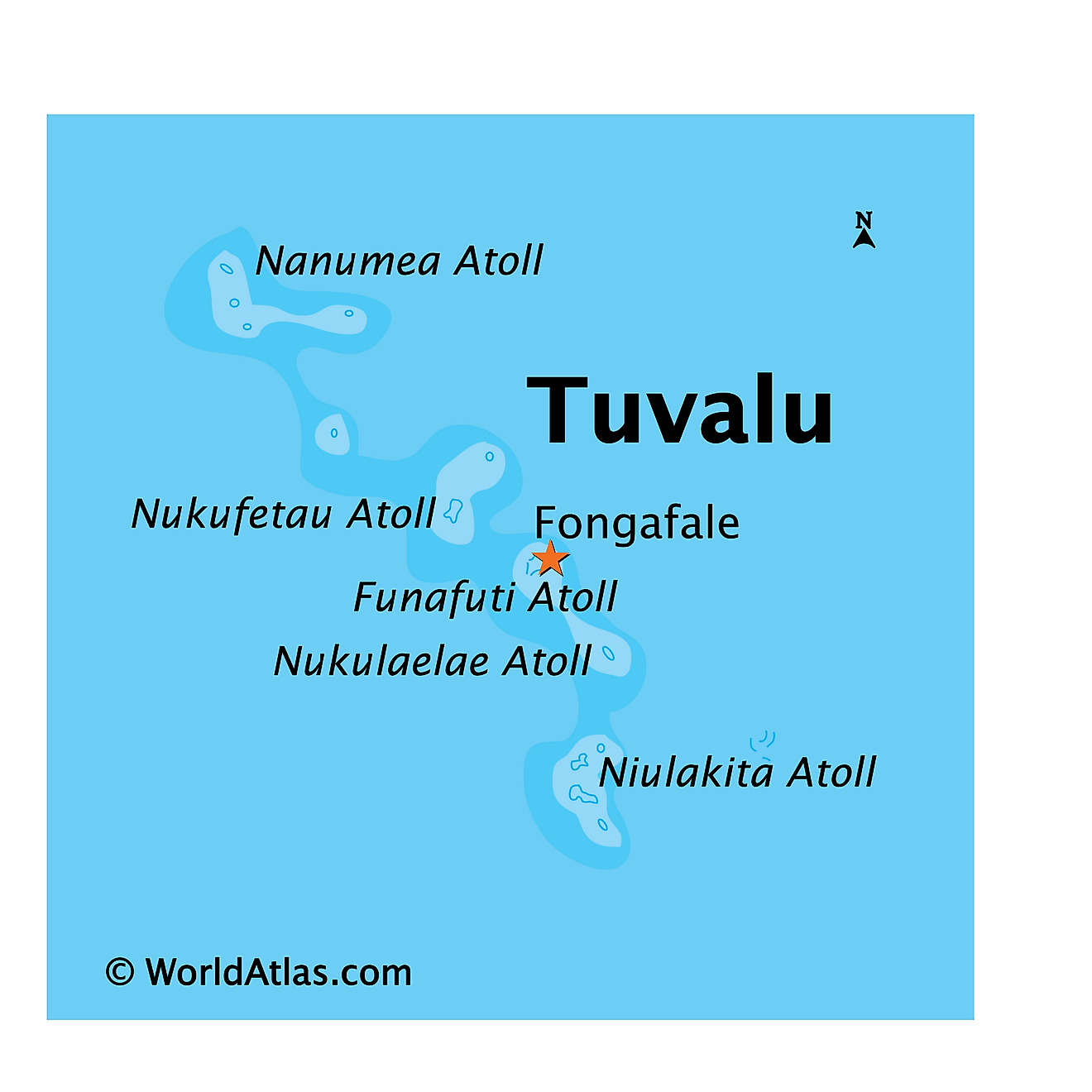
- Island Composition: It is an archipelago comprising three main reef islands (Nanumanga, Niutao, Niulakita) and six true coral atolls (Funafuti, Nanumea, Nui, Nukulaelae, and Vaitupu).
- Low Elevation: The islands are exceptionally low-lying. The highest point, an unnamed location on Niulakita island, is merely 4.5 meters (15 ft) above sea level.
- Climate Threat: Rising sea levels, a direct consequence of global climate change, pose an existential threat to the nation. The potential for the complete submersion of its islands and atolls represents a critical challenge to its sovereignty and the well-being of its population.
Marine Ecosystems and Biodiversity (SDG 14)
The nation is entirely surrounded by the Pacific Ocean, and its identity and sustenance are intrinsically linked to the health of its marine environment. This places a significant emphasis on SDG 14 (Life Below Water).
The Role of Marine Resources
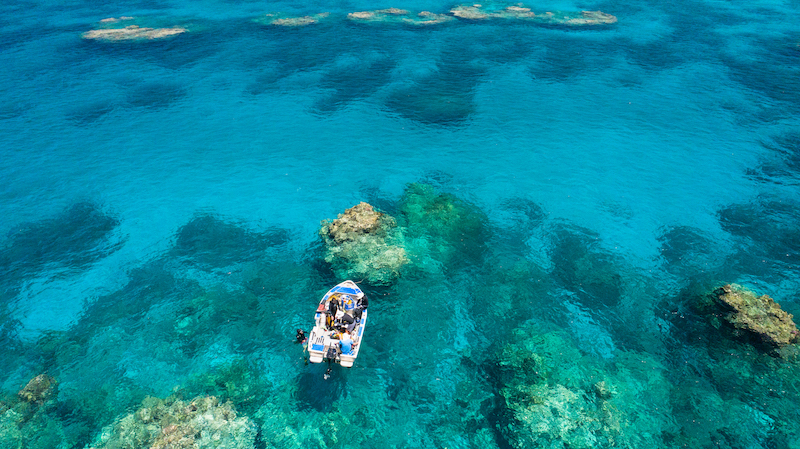
- Coral Reefs and Lagoons: Tuvalu is characterized by extensive coral reefs and large central lagoons, such as the one within the Funafuti atoll. These ecosystems are vital for coastal protection, biodiversity, and local livelihoods.
- Ocean Dependency: The Pacific Ocean dictates the nation’s climate, provides sustenance, and forms the basis of its culture. The health of these marine resources is paramount for sustainable development.
- Environmental Quality: The nation’s beaches feature white sand and clear waters, representing pristine marine environments whose preservation is crucial for both ecological balance and potential future economic activities.
Socio-Economic and Infrastructure Analysis (SDGs 8, 9, 11)
Tuvalu’s remote location and limited infrastructure create significant hurdles for economic growth and the development of resilient communities, directly impacting several key SDGs.
Infrastructure and Economic Development Challenges
- Isolation and Connectivity (SDG 9): Tuvalu’s geographic isolation, with the nearest nation (Fiji) over 1,000 km away and only a single airport, presents a major barrier to achieving SDG 9 (Industry, Innovation, and Infrastructure). This limits trade, access to goods, and international engagement.
- Sustainable Economic Growth (SDG 8): The nation is one of the least visited on Earth, which constrains the development of a sustainable tourism sector. This limitation, coupled with its small size, affects progress towards SDG 8 (Decent Work and Economic Growth).
- Sustainable Communities (SDG 11): Tuvalu is administratively divided into seven island councils and one town council (Funafuti). The capital, Funafuti, is the most populous atoll. The primary challenge is maintaining viable and resilient human settlements on low-lying land threatened by sea-level rise, a core objective of SDG 11 (Sustainable Cities and Communities).
Summary of Key National Data and SDG Implications
The following data points provide a quantitative overview of Tuvalu and highlight their relevance to the Sustainable Development Goals.
- Capital: Funafuti Atoll. The concentration of administrative functions and population in a low-lying atoll underscores the urgency of building climate-resilient infrastructure as per SDG 11.
- Total Area: 26.00 km². This limited landmass magnifies the impact of sea-level rise and emphasizes the critical need for global climate action under SDG 13.
- Population: 11,646. The small population faces a disproportionate threat from climate change, highlighting the human rights and social equity dimensions of sustainable development.
- GDP: $47.27 Million. This figure reflects a small and vulnerable economy, indicating a strong reliance on international cooperation and partnerships (SDG 17) to fund climate adaptation and sustainable development initiatives.
- GDP Per Capita: $4,059.03. This provides a measure of the economic context within which Tuvalu must pursue its development goals while facing existential environmental threats.
1. Which SDGs are addressed or connected to the issues highlighted in the article?
-
SDG 13: Climate Action
This is the most prominent SDG related to the article. The text explicitly states, “Rising sea levels are something that Tuvalu has had to contend with in recent years. If trends continue, there is grave concern that various islands and atolls could be lost to the sea forever.” This directly addresses the impacts of climate change on a low-lying island nation.
-
SDG 14: Life Below Water
The article describes Tuvalu as a nation “largely made out of coral reefs and volcanic rock” and comprising “six true coral atolls.” The threat of rising sea levels and associated climate change impacts like ocean warming (implied) poses a direct threat to these marine and coastal ecosystems, which are fundamental to the country’s existence.
-
SDG 11: Sustainable Cities and Communities
The potential for “various islands and atolls could be lost to the sea forever” represents a catastrophic threat to the entire human settlement of Tuvalu. This connects to the goal of making human settlements safe, resilient, and sustainable, especially in the face of climate-related disasters.
2. What specific targets under those SDGs can be identified based on the article’s content?
-
Target 13.1: Strengthen resilience and adaptive capacity to climate-related hazards and natural disasters in all countries.
The article highlights Tuvalu’s extreme vulnerability to climate-related hazards, specifically “rising sea levels” and “tropical storms.” The “grave concern” for the nation’s future underscores the urgent need for resilience and adaptation strategies to cope with these existential threats.
-
Target 11.5: By 2030, significantly reduce the number of deaths and the number of people affected and substantially decrease the direct economic losses relative to global gross domestic product caused by disasters, including water-related disasters, with a focus on protecting the poor and people in vulnerable situations.
The article identifies Tuvalu as a highly vulnerable nation where a water-related disaster (permanent inundation from sea-level rise) would affect its entire population of 11,646 people. The loss of its islands would represent a total and irreversible economic loss for the country.
-
Target 14.2: By 2020, sustainably manage and protect marine and coastal ecosystems to avoid significant adverse impacts, including by strengthening their resilience, and take action for their restoration in order to achieve healthy and productive oceans.
The article’s description of Tuvalu being composed of “coral reefs” and “atolls” directly relates to this target. The survival of these coastal ecosystems is synonymous with the survival of the nation itself, making their protection and resilience against climate change impacts paramount.
3. Are there any indicators mentioned or implied in the article that can be used to measure progress towards the identified targets?
-
Indicator for Vulnerability and Impact (Implied for Targets 13.1 and 11.5)
The article provides several data points that serve as indicators of Tuvalu’s vulnerability. The “highest point in Tuvalu…rises to an elevation of 15ft (4.5m)” is a direct measure of its susceptibility to sea-level rise. The total “Population” of “11,646” represents the number of people affected by this climate hazard. The total “Land Area” of “26.00 km²” is an indicator of the physical territory at risk.
-
Indicator for Economic Loss (Implied for Target 11.5)
The article states the “GDP” is “$47.27 Million.” In the context of the islands being “lost to the sea forever,” this figure represents the total direct economic value that is under threat, serving as a baseline indicator for potential economic losses from a climate-related disaster.
-
Indicator for Ecosystem Health (Implied for Target 14.2)
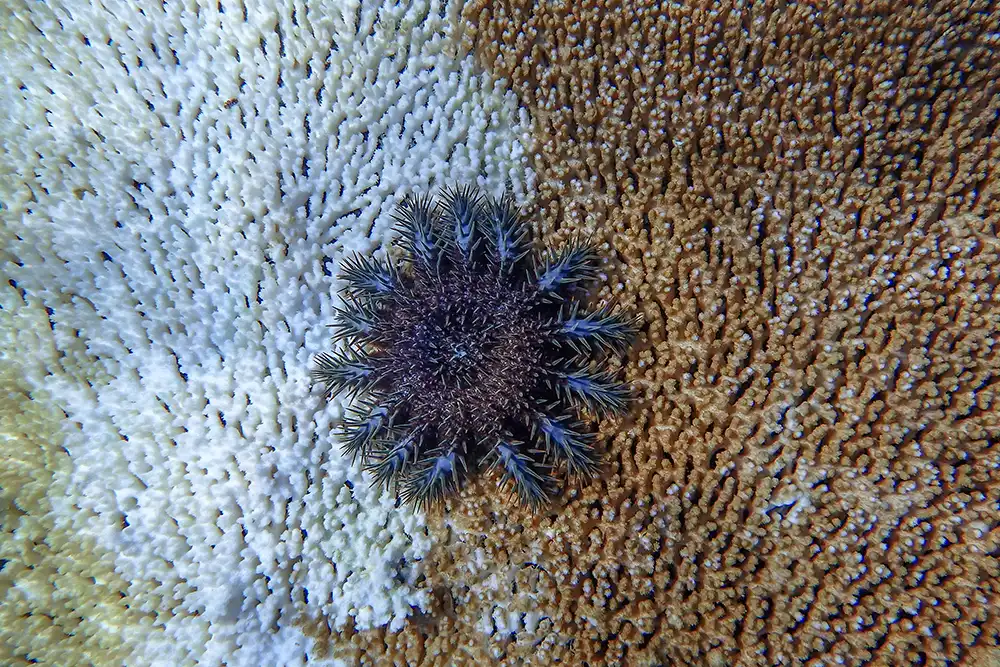
The very existence of the “coral reefs” and “atolls” that form Tuvalu is an implied indicator. The measurement of their health, bleaching, and erosion due to rising sea levels and temperatures would be a direct way to track progress towards protecting these vital coastal ecosystems.
4. Table of SDGs, Targets, and Indicators
| SDGs | Targets | Indicators (Mentioned or Implied in Article) |
|---|---|---|
| SDG 13: Climate Action | 13.1: Strengthen resilience and adaptive capacity to climate-related hazards and natural disasters. |
|
| SDG 11: Sustainable Cities and Communities | 11.5: Significantly reduce the number of people affected and economic losses from disasters. |
|
| SDG 14: Life Below Water | 14.2: Sustainably manage and protect marine and coastal ecosystems. |
|
Source: worldatlas.com
What is Your Reaction?
 Like
0
Like
0
 Dislike
0
Dislike
0
 Love
0
Love
0
 Funny
0
Funny
0
 Angry
0
Angry
0
 Sad
0
Sad
0
 Wow
0
Wow
0