
















Wisconsin water quality rule finalized amid feud between Evers, GOP leaders – WPR
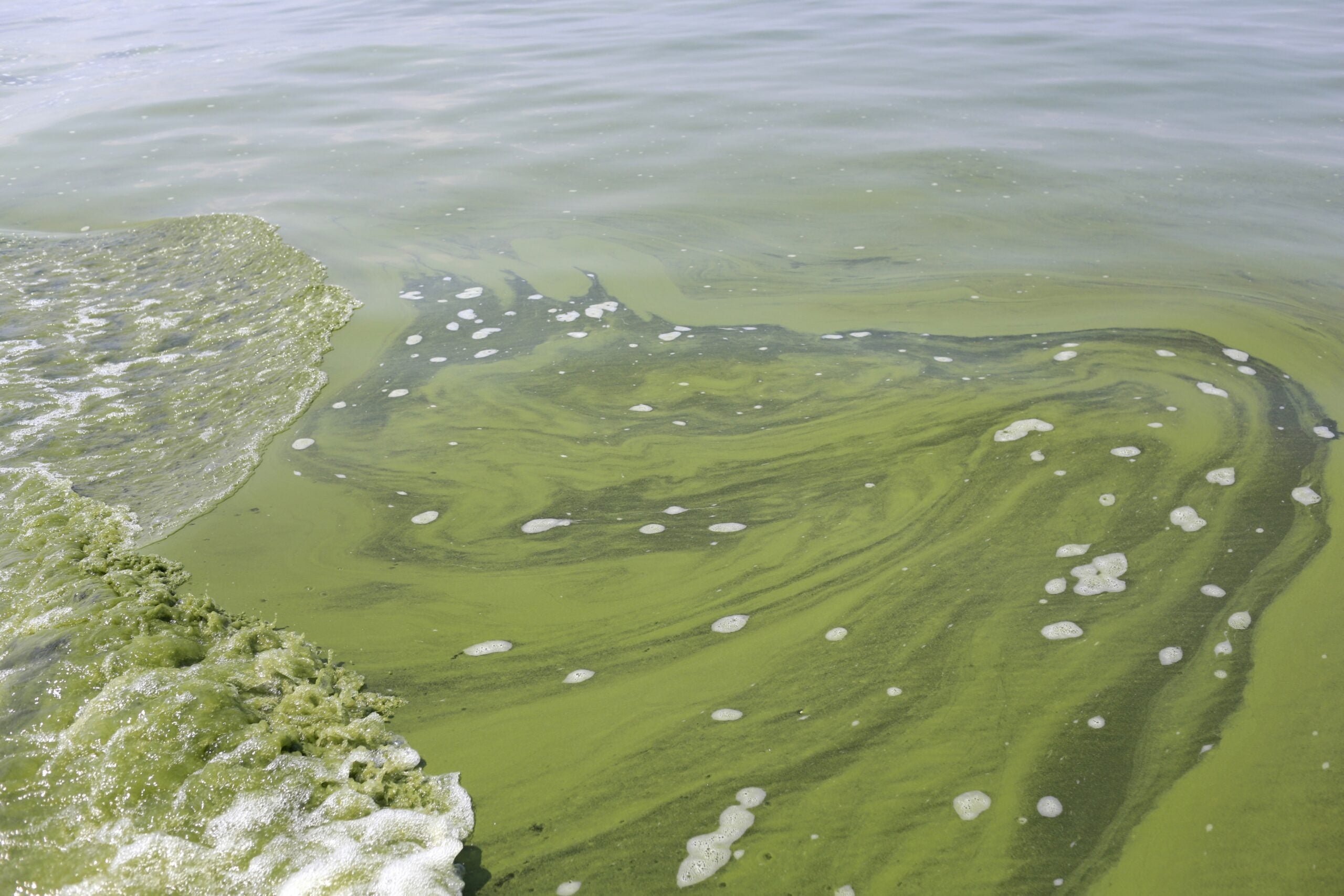
Report on Wisconsin’s New Water Protection Rule and its Alignment with Sustainable Development Goals
Introduction: Advancing SDG 6 and SDG 14 in Wisconsin
A new administrative rule, effective July 1, has been enacted in Wisconsin to enhance the protection of state waterways. This regulation aligns state policy with the federal Clean Water Act, directly addressing key targets of the United Nations Sustainable Development Goals (SDGs), particularly SDG 6 (Clean Water and Sanitation) and SDG 14 (Life Below Water). The rule aims to prevent significant pollution in high-quality lakes and rivers, ensuring the long-term health of freshwater ecosystems. However, its implementation has highlighted significant challenges related to SDG 16 (Peace, Justice and Strong Institutions) due to a protracted conflict over governmental authority.
Regulatory Framework and Governance Challenges
The rule implements antidegradation regulations updated by the U.S. Environmental Protection Agency (EPA) in 2015. For over a decade, its adoption in Wisconsin was stalled by political and special interest disputes. The recent publication of the rule follows a State Supreme Court decision that limited the legislature’s power to block agency rules, prompting executive action.
Stakeholder Perspectives on Governance and Accountability (SDG 16)
The process has exposed deep divisions regarding institutional roles and oversight, a core theme of SDG 16.
- Executive Branch and Environmental Advocates: Proponents, including the Governor’s office and groups like Clean Wisconsin, argue the rule is essential for fulfilling federal requirements and protecting natural resources for future generations. They contend that executive action was necessary to overcome legislative obstruction that prevented the state from meeting its environmental obligations.
- Legislative Branch and Industry Groups: Opponents, including the Republican-led Assembly environment committee and Wisconsin Manufacturers and Commerce (WMC), assert that the action circumvents legislative oversight and accountability. They argue it allows unelected agency officials to create regulations with the force of law, which they describe as unconstitutional and detrimental to representative government.
Economic and Environmental Provisions (SDG 8, SDG 12)
The rule’s provisions create a direct link between environmental protection and economic activity, reflecting the integrated nature of SDG 8 (Decent Work and Economic Growth) and SDG 12 (Responsible Consumption and Production).
- Discharge Approval Process: New or increased wastewater and stormwater discharges that could significantly lower water quality will only be approved if a review demonstrates the discharge is necessary for important social or economic development.
- Alternatives Analysis: Permit applicants must conduct an analysis of alternative practices to demonstrate that measures will be taken to limit harm to water quality wherever possible.
- Industry Concerns: Business and agricultural groups, including WMC and the Wisconsin Farm Bureau Federation, have raised concerns about the economic impact. They requested exemptions for certain operations, such as concentrated animal feeding operations (CAFOs), and argued that the new review process would be lengthy, expensive, and burdensome, potentially hindering economic growth.
Conclusion and Future Outlook
The enactment of the antidegradation rule marks a significant step for Wisconsin in advancing SDG 6 and SDG 14 by establishing clearer protections for water quality. However, the contentious political process underscores persistent challenges in achieving the collaborative and effective governance models promoted by SDG 16. As the state moves forward, environmental advocates hope this development will pave the way for further regulations on other critical pollutants, including lead, PFAS, and nitrates, continuing the state’s efforts toward comprehensive environmental sustainability.
1. Which SDGs are addressed or connected to the issues highlighted in the article?
-
SDG 6: Clean Water and Sanitation
This is the most central SDG, as the article’s main topic is a new rule “aimed at protecting the state’s waterways” and ensuring water quality by regulating wastewater and stormwater discharges to prevent pollution in “high-quality lakes and rivers.”
-
SDG 15: Life on Land
The article’s focus on protecting “high-quality lakes and rivers” directly relates to the conservation and sustainable use of inland freshwater ecosystems, which is a key component of this goal.
-
SDG 16: Peace, Justice and Strong Institutions
The article extensively details an “ongoing power struggle between Democratic Gov. Tony Evers and the Republican-controlled Legislature over the authority of state agencies.” This conflict over legislative oversight, accountability, and the implementation of rules highlights the challenges in developing effective, accountable, and transparent institutions.
-
SDG 14: Life Below Water
While the article focuses on freshwater, the regulation of land-based pollution sources like wastewater, stormwater, and potential runoff from CAFOs is crucial for preventing downstream pollution of marine environments, as rivers ultimately flow to the sea. The mention of future concerns about nitrates further strengthens this link.
2. What specific targets under those SDGs can be identified based on the article’s content?
-
SDG 6: Clean Water and Sanitation
- Target 6.3: By 2030, improve water quality by reducing pollution. The new rule directly addresses this by creating a “clearer process for reviewing whether new or increased wastewater and stormwater discharges would have a significant effect on water quality” and aiming to protect waterways from “significant pollution.”
- Target 6.5: By 2030, implement integrated water resources management at all levels. The article describes the state of Wisconsin implementing a rule to bring its regulations “in line with requirements under the federal Clean Water Act,” which is an example of implementing water management policies across different levels of government.
- Target 6.6: Protect and restore water-related ecosystems. The stated purpose of the rule is to “protect our waters and make sure they’re clean for future generations,” specifically targeting “high-quality lakes and rivers.”
-
SDG 15: Life on Land
- Target 15.1: Ensure the conservation, restoration and sustainable use of terrestrial and inland freshwater ecosystems. The entire antidegradation rule is designed for the conservation and protection of Wisconsin’s inland freshwater ecosystems (lakes and rivers) from pollution.
-
SDG 16: Peace, Justice and Strong Institutions
- Target 16.6: Develop effective, accountable and transparent institutions at all levels. The article’s core narrative is about the struggle to create an effective regulatory process. The conflict over whether the Legislature should have oversight (“legislative chokepoints”) or if state agencies can act to meet federal requirements speaks directly to the challenge of building accountable and effective institutions.
- Target 16.7: Ensure responsive, inclusive, participatory and representative decision-making at all levels. The article highlights the participation of various stakeholders in the decision-making process, including environmental groups (Clean Wisconsin), business groups (Wisconsin Manufacturers and Commerce), and farm groups (Wisconsin Farm Bureau Federation), who all provided testimony and are involved in the debate.
3. Are there any indicators mentioned or implied in the article that can be used to measure progress towards the identified targets?
-
For Target 6.3 (Improve water quality):
- Implied Indicator: The number of reviews conducted for new or increased wastewater and stormwater discharges. The article states the rule establishes a “clearer process for reviewing” these discharges. Tracking the number of these reviews would measure the rule’s implementation.
- Implied Indicator: The number of permits requiring an “alternative analysis.” The rule requires permit holders to “conduct an alternative analysis to show they will use practices to limit harm to water quality,” which is a measurable action.
- Implied Indicator: Water quality monitoring data for “high-quality lakes and rivers.” The goal is to prevent discharges that “significantly lower water quality,” implying that water quality itself is the ultimate metric to be monitored.
-
For Target 16.6 (Develop effective institutions):
- Implied Indicator: The number and timeliness of administrative rules published and put into effect. The article notes that the antidegradation rule had been “held up for years” and was one of 27 rules the governor told agencies to publish. The successful publication and implementation of these rules serves as an indicator of institutional effectiveness.
4. Table of SDGs, Targets, and Indicators
| SDGs | Targets | Indicators |
|---|---|---|
| SDG 6: Clean Water and Sanitation |
|
|
| SDG 15: Life on Land |
|
|
| SDG 16: Peace, Justice and Strong Institutions |
|
|
Source: wpr.org
What is Your Reaction?
 Like
0
Like
0
 Dislike
0
Dislike
0
 Love
0
Love
0
 Funny
0
Funny
0
 Angry
0
Angry
0
 Sad
0
Sad
0
 Wow
0
Wow
0