
















You Aren’t Imagining It, Dallas Traffic Is Really, Really Bad – Dallas Observer
Report on Traffic Congestion in Texas and its Implications for Sustainable Development Goals
Introduction and Overview
An annual report by the Texas Department of Transportation (TxDOT) on the state’s 100 most congested roadways reveals a significant and worsening traffic problem, with direct consequences for several United Nations Sustainable Development Goals (SDGs). The study, which monitors 2,100 road segments, ranks corridors by time delay per mile. The latest findings indicate a 4% year-over-year increase in traffic delays across all monitored segments, with a more pronounced 24% increase for roadways on the Top 100 list. This trend highlights critical challenges to creating sustainable urban environments.
Regional Analysis: Houston and Dallas-Fort Worth
The Houston metropolitan area contains the most congested corridors in the state, accounting for seven of the top ten locations. The Dallas-Fort Worth metroplex also features prominently, demonstrating a widespread issue that impacts economic productivity and environmental quality.
- Loop 610, Houston: This segment on Houston’s western side was ranked as the most congested roadway in Texas for the fourth consecutive year, representing a persistent infrastructure challenge.
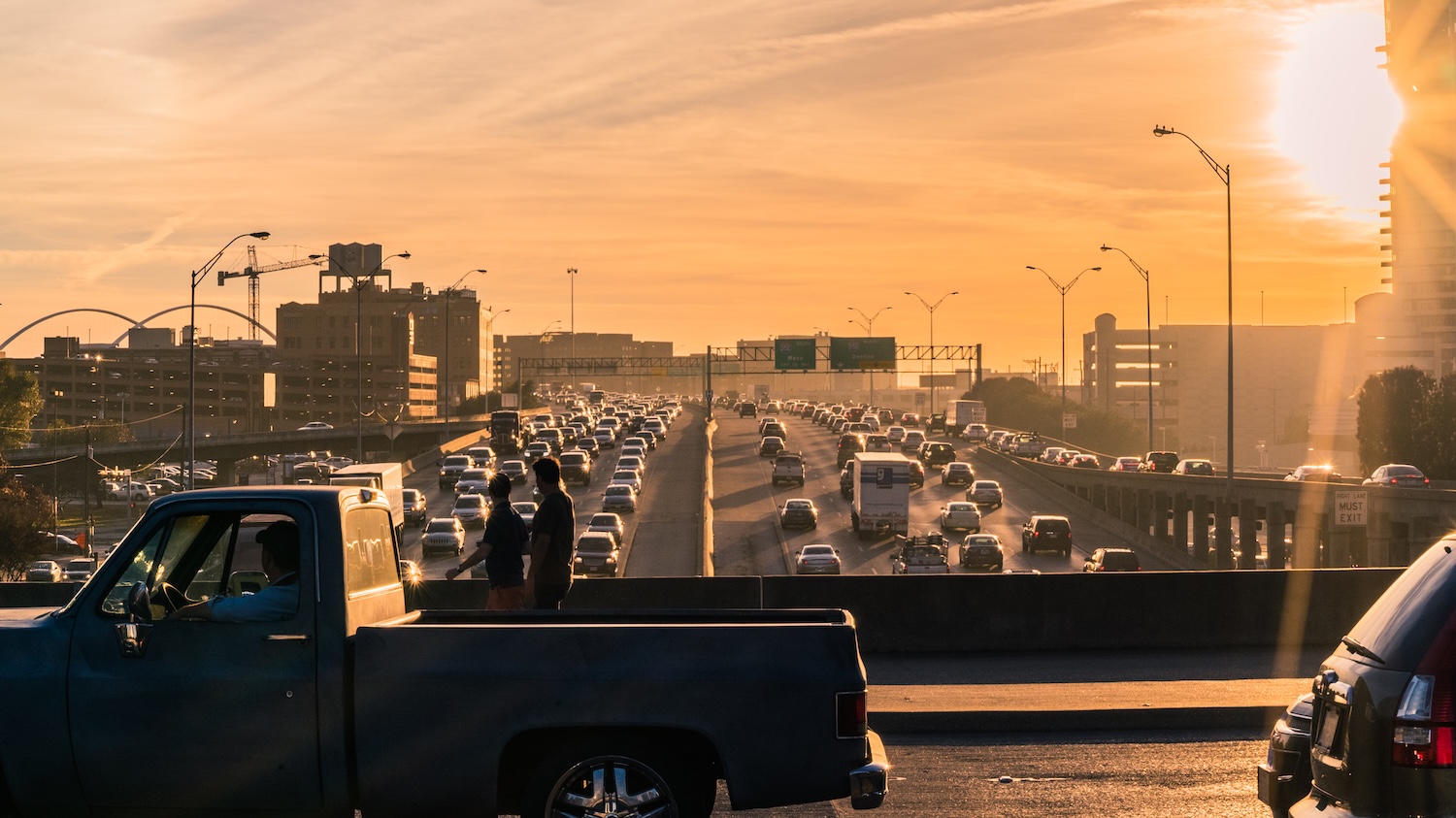
- Woodall Rodgers Freeway, Dallas: Ranked third, this corridor accounted for 1,399,098 hours of delay per mile over the last year, severely impacting urban mobility and air quality.
- I-35W, Fort Worth: This segment from SH 183 to I-30 ranked eighth, indicating that congestion is a region-wide issue in North Texas.
The Dallas area holds a significant number of congested corridors, including spots 11, 12, 13, 14, 16, and 17 on the list. Overall, Dallas roadways constitute more than one-fifth of the Top 100 list, underscoring a systemic strain on the city’s transportation infrastructure and its progress toward sustainability targets.
Impact on Sustainable Development Goals (SDGs)
The escalating traffic congestion detailed in the TxDOT report directly undermines progress toward several key SDGs:
- SDG 11 (Sustainable Cities and Communities): The chronic traffic delays signify a failure to provide access to safe, affordable, accessible, and sustainable transport systems for all. This level of congestion degrades the urban environment and reduces the quality of life, challenging the core objectives of creating resilient and sustainable cities.
- SDG 3 (Good Health and Well-being): Increased vehicle emissions from idling and slow-moving traffic contribute directly to air pollution, which is linked to respiratory illnesses and other public health crises. The stress and lost time associated with daily traffic congestion also negatively impact the mental well-being of commuters.
- SDG 13 (Climate Action): The millions of hours drivers spend delayed in traffic result in substantial and unnecessary greenhouse gas emissions. This directly counteracts urgent actions needed to combat climate change and its impacts. Reducing traffic congestion is a critical component of any effective climate action strategy for the region.
- SDG 8 (Decent Work and Economic Growth): The 1.4 million hours of delay per mile on a single Dallas freeway represent a significant loss of economic productivity. Congestion restricts the efficient movement of goods and services and reduces the time available for productive work and leisure, thereby hindering sustainable economic growth.
- SDG 9 (Industry, Innovation, and Infrastructure): The data highlights the inadequacy of existing transportation infrastructure to meet current demands. It underscores the urgent need for investment in resilient, intelligent, and sustainable infrastructure, including expanded public transit, smart traffic management systems, and innovative urban planning solutions.
Conclusion
The TxDOT report serves as a critical indicator that traffic congestion in Texas’s major urban centers is a severe and growing problem. This issue extends beyond mere inconvenience, posing a direct threat to the achievement of fundamental Sustainable Development Goals related to health, climate, economic vitality, and the creation of sustainable cities. Addressing this infrastructure crisis is imperative for the long-term environmental and economic health of the region.
Relevant Sustainable Development Goals (SDGs)
-
SDG 3: Good Health and Well-being
- The article connects to this goal by highlighting the dangers associated with driving in Dallas. It explicitly references a separate article stating that Dallas is the “deadliest city in Texas for drivers,” which directly relates to health outcomes and safety on the roads. The stress and frustration of being stuck in traffic, as described by the sentiment “considered whether living in Dallas is all that worth it,” also touch upon mental well-being.
-
SDG 9: Industry, Innovation and Infrastructure
- This goal is central to the article, which focuses on the performance of transportation infrastructure. The discussion revolves around specific roadways like the Woodall Rodgers Freeway, Loop 610, and I-35W. The article’s core theme is the failure of this infrastructure to handle traffic volume, leading to massive delays and congestion, indicating a need for more resilient and sustainable infrastructure development.
-
SDG 11: Sustainable Cities and Communities
- The article is entirely focused on a critical issue within major urban areas (Dallas and Houston). Traffic congestion is a key challenge for urban sustainability, affecting quality of life, economic productivity, and the environment. The article’s analysis of the “100 most congested roadways” is a direct assessment of the sustainability and efficiency of the transport systems within these cities.
Specific SDG Targets
-
Target 3.6: Halve the number of global deaths and injuries from road traffic accidents.
- This target is directly relevant due to the article’s reference to a report about Dallas being the “deadliest city in Texas for drivers.” This points to a significant problem with road safety, which is the primary focus of Target 3.6.
-
Target 9.1: Develop quality, reliable, sustainable and resilient infrastructure…to support economic development and human well-being.
- The article demonstrates that the road infrastructure in Dallas and Houston is not reliable. The constant backups on major freeways, regardless of the time of day, show a lack of resilience and quality in handling the city’s transport needs. The millions of hours lost in delays directly impact economic development and human well-being.
-
Target 11.2: Provide access to safe, affordable, accessible and sustainable transport systems for all, improving road safety.
- The issues described—severe congestion and high driver fatality rates—indicate that the current transport systems are neither safe nor sustainable. The article’s focus on the inefficiency and negative experiences of road travel underscores the failure to meet this target.
Indicators for Measuring Progress
-
Time Delay Per Mile
- The article explicitly states that the Texas Department of Transportation report ranks roadways by “time delay per mile.” It provides a specific data point: “drivers have spent 1,399,098 hours delayed per mile on that stretch of road” (Woodall Rodgers Freeway). This is a direct quantitative indicator of transport inefficiency.
-
Ranking of Congested Roadways
- The “list of the 100 most congested roadways in the state” serves as an indicator. The article notes the specific rankings of various Dallas-area roads (No. 3, 8, 11, 12, 13, 14, 16, and 17), which can be tracked over time to measure whether congestion is improving or worsening in specific locations.
-
Percentage Change in Delays
- The article mentions that “Time delays across all 2,100 road segments monitored by TxDOT went up 4% compared with last year, and for the road segments on the Top 100 list, delays were 24% more likely.” This percentage change is a clear indicator used to measure the trend of traffic congestion over time.
-
Road Traffic Fatalities
- While not providing a specific number, the article implies that the number of driver deaths is a key metric by referencing Dallas’s status as the “deadliest city in Texas for drivers.” This serves as an implied indicator for measuring progress towards road safety targets (Target 3.6 and 11.2).
SDGs, Targets, and Indicators Analysis
| SDGs | Targets | Indicators |
|---|---|---|
| SDG 3: Good Health and Well-being | 3.6: Halve the number of global deaths and injuries from road traffic accidents. |
|
| SDG 9: Industry, Innovation and Infrastructure | 9.1: Develop quality, reliable, sustainable and resilient infrastructure. |
|
| SDG 11: Sustainable Cities and Communities | 11.2: Provide access to safe, affordable, accessible and sustainable transport systems for all, improving road safety. |
|
Source: dallasobserver.com
What is Your Reaction?
 Like
0
Like
0
 Dislike
0
Dislike
0
 Love
0
Love
0
 Funny
0
Funny
0
 Angry
0
Angry
0
 Sad
0
Sad
0
 Wow
0
Wow
0