
















Zinc Oxide/Berberine Nanoparticles: Hope Against Acute Respiratory Distress – BIOENGINEER.ORG
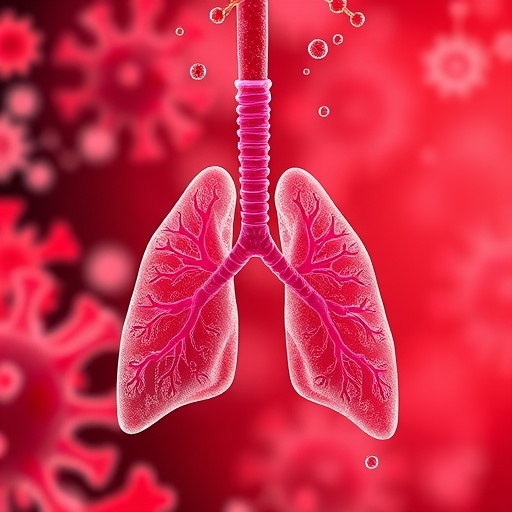
Report on the Therapeutic Potential of Zinc Oxide/Berberine Nanoparticles for Acute Respiratory Distress Syndrome (ARDS)
Alignment with Sustainable Development Goals
This report details recent advancements in pharmacological research concerning a novel treatment for Acute Respiratory Distress Syndrome (ARDS). The study, conducted by El-Salakawy et al., explores the use of zinc oxide/berberine nanoparticles. This research directly supports the achievement of several United Nations Sustainable Development Goals (SDGs), primarily SDG 3 (Good Health and Well-being) and SDG 9 (Industry, Innovation, and Infrastructure), with further implications for SDG 17 (Partnerships for the Goals).
Advancing SDG 3: Good Health and Well-being
Addressing a Critical Global Health Challenge
Acute Respiratory Distress Syndrome (ARDS) represents a significant obstacle to achieving global health targets. As a severe condition often resulting from respiratory infections, pneumonia, or trauma, it undermines efforts to ensure healthy lives and well-being for all.
- Global Health Security: ARDS poses a threat to global health security (Target 3.d), particularly in the context of emerging infectious diseases and pandemics.
- Mortality Reduction: The development of effective ARDS treatments is crucial for reducing premature mortality from both communicable and non-communicable diseases (Targets 3.3 and 3.4).
Therapeutic Innovation: Zinc Oxide/Berberine Nanoparticles
The proposed nanoparticle-based therapy offers a dual-action approach to managing ARDS, directly contributing to improved health outcomes.
- Component Properties:
- Zinc Oxide: A biocompatible material with established antibacterial and antiviral properties, addressing underlying infectious causes.
- Berberine: A natural alkaloid known for its potent anti-inflammatory and immunomodulatory effects, targeting the harmful immune overreaction characteristic of ARDS.
- Synergistic Efficacy: Combining these agents in nanoparticle form enhances their therapeutic delivery and impact, potentially reducing lung injury and improving respiratory function more effectively than traditional methods.
Fostering SDG 9: Industry, Innovation, and Infrastructure
Enhancing Scientific Research and Technological Capability
The research methodology employed by El-Salakawy et al. exemplifies the spirit of SDG 9, which calls for building resilient infrastructure, promoting inclusive and sustainable industrialization, and fostering innovation (Target 9.5).
- In Vivo Studies: Live model testing provided essential data on the physiological impact, safety, and biocompatibility of the nanoparticles, representing a critical step in innovative drug development.
- In Silico Modeling: The use of computational models to predict nanoparticle interactions with biological systems showcases an advanced, sustainable approach to research. This method accelerates the development timeline, reduces costs, and minimizes the need for extensive preliminary live-model testing.
Implications for Future Medical Technology
This research contributes to a broader technological upgrade in the pharmaceutical sector.
- Versatile Drug Delivery: The nanoparticle platform is designed to traverse biological barriers, making it suitable for treating a range of pulmonary conditions beyond ARDS, including COPD and viral pneumonia.
- Personalized Medicine: The development of such targeted nanoparticles paves the way for personalized therapeutic strategies, a key innovation for future healthcare systems.
Path Forward: Collaboration and Implementation (SDG 17)
From Research to Clinical Application
The successful translation of this research from the laboratory to clinical practice requires robust partnerships, a core principle of SDG 17 (Partnerships for the Goals).
- Next Steps: The promising initial results necessitate a transition to formal clinical trials to determine optimal dosages, delivery mechanisms, and safety profiles for human use.
- Collaborative Efforts: A multi-stakeholder approach involving scientists, clinicians, regulatory agencies, and industry partners is essential to navigate the complex pathway from bench to bedside. Such collaboration is fundamental to ensuring that scientific innovations can be scaled to address global health needs effectively.
Conclusion
The investigation into zinc oxide/berberine nanoparticles as a treatment for ARDS is a significant scientific advancement with profound implications for sustainable development. By offering a potential solution to a critical health issue, this research directly supports SDG 3. Furthermore, its reliance on innovative methodologies and computational tools promotes the objectives of SDG 9. The successful implementation of this therapy will depend on the collaborative frameworks outlined in SDG 17, ultimately demonstrating how interdisciplinary scientific research is vital for achieving a healthier and more sustainable future for all.
Analysis of Sustainable Development Goals in the Article
1. Which SDGs are addressed or connected to the issues highlighted in the article?
- SDG 3: Good Health and Well-being: This is the primary SDG addressed. The article focuses entirely on developing a novel therapeutic strategy for Acute Respiratory Distress Syndrome (ARDS), a severe medical condition. The research aims to “mitigate its devastating effects,” reduce lung injury, improve respiratory function, and ultimately “reduc[e] morbidity and mortality associated with this severe condition.” This directly aligns with the goal of ensuring healthy lives and promoting well-being.
- SDG 9: Industry, Innovation, and Infrastructure: This goal is also central to the article, which showcases cutting-edge scientific and technological advancement. The research embodies innovation through its use of “nanotechnology,” “in silico modeling,” and “computational biology.” The article highlights the importance of “continual innovation in drug development” and interdisciplinary approaches to create “groundbreaking advances in healthcare,” which relates to building resilient infrastructure and fostering innovation.
2. What specific targets under those SDGs can be identified based on the article’s content?
-
Target 3.3: By 2030, end the epidemics of AIDS, tuberculosis, malaria and neglected tropical diseases and combat hepatitis, water-borne diseases and other communicable diseases.
- The article connects ARDS to underlying causes like “respiratory infections,” “viral pneumonia,” and “emerging pathogens.” The development of an effective treatment for ARDS is a crucial step in combating the severe outcomes of these communicable diseases.
-
Target 3.4: By 2030, reduce by one third premature mortality from non-communicable diseases through prevention and treatment and promote mental health and well-being.
- The research explicitly aims to create a treatment that could “shift the paradigm of care for ARDS patients, potentially reducing morbidity and mortality associated with this severe condition.” This directly contributes to reducing premature mortality through improved treatment.
-
Target 3.9: By 2030, substantially reduce the number of deaths and illnesses from hazardous chemicals and air, water and soil pollution and contamination.
- The article notes that “the potential for respiratory diseases increases globally due to factors like pollution.” The development of advanced therapies for respiratory conditions is a direct response to the growing health burden caused by environmental factors like air pollution.
-
Target 3.b: Support the research and development of vaccines and medicines for the communicable and non-communicable diseases that primarily affect developing countries, provide access to affordable essential medicines and vaccines.
- The entire article is a testament to this target. It describes in detail the research and development of a “novel therapeutic,” the “synthesis of unique nanoparticles,” and the process of moving from “bench to bedside” through “in vivo and in silico studies” and future “clinical trials.”
-
Target 9.5: Enhance scientific research, upgrade the technological capabilities of industrial sectors in all countries, in particular developing countries, including, by 2030, encouraging innovation and substantially increasing the number of research and development workers and public and private research and development spending.
- The study is a prime example of enhancing scientific research. It utilizes advanced “nanotechnology,” “pharmacology,” and “computational biology.” The use of “in silico modeling” is highlighted as a method that “significantly reduces the time and costs associated with drug development,” showcasing an upgrade in technological capabilities and innovation in the research sector.
3. Are there any indicators mentioned or implied in the article that can be used to measure progress towards the identified targets?
- Morbidity and mortality rates from severe respiratory conditions: The article’s primary goal is to develop a treatment that can “reduce morbidity and mortality” from ARDS. Therefore, a reduction in the death and illness rates from ARDS, pneumonia, and other respiratory infections would be a key indicator of progress towards Targets 3.3 and 3.4.
- Investment in and application of advanced scientific research: The article’s focus on “nanotechnology,” “in vivo and in silico approaches,” and “computational tools” implies that the level of investment in, and the successful application of, such innovative technologies are indicators of progress. This is relevant for measuring the enhancement of scientific research under Target 9.5.
- Development of new medicines and therapies: The existence of the research itself, detailing a potential new treatment (“zinc oxide/berberine nanoparticles”), serves as an indicator for Target 3.b. The progression of this research from the laboratory stage to “clinical trials” would be a further measurable indicator of successful R&D efforts.
4. SDGs, Targets and Indicators Table
| SDGs | Targets | Indicators |
|---|---|---|
| SDG 3: Good Health and Well-being |
3.3: Combat communicable diseases.
3.4: Reduce premature mortality from non-communicable diseases through treatment. 3.9: Reduce deaths and illnesses from pollution. 3.b: Support research and development of medicines. |
– Reduction in incidence and mortality rates from severe respiratory infections and viral pneumonia.
– Reduction in morbidity and mortality rates associated with ARDS. – Reduction in mortality rate attributable to respiratory diseases linked to pollution. – Number of new therapies developed and advanced to clinical trials for critical diseases. |
| SDG 9: Industry, Innovation, and Infrastructure | 9.5: Enhance scientific research and encourage innovation. |
– Increased investment in and application of advanced research methodologies (e.g., nanotechnology, in silico modeling).
– Number of scientific publications on innovative medical treatments. – Cross-disciplinary research collaborations (e.g., nanotechnology, pharmacology, computational biology). |
Source: bioengineer.org
What is Your Reaction?
 Like
0
Like
0
 Dislike
0
Dislike
0
 Love
0
Love
0
 Funny
0
Funny
0
 Angry
0
Angry
0
 Sad
0
Sad
0
 Wow
0
Wow
0