










































;Resize=620#)








ADM, Tallgrass celebrate Columbus carbon capture facility while conflict over CO2 pipelines continues in Iowa – KMTV 3 News Now
Report on Carbon Capture Pipeline Project in Columbus, Nebraska and its Alignment with Sustainable Development Goals
Project Overview and Contribution to Climate Action (SDG 13)
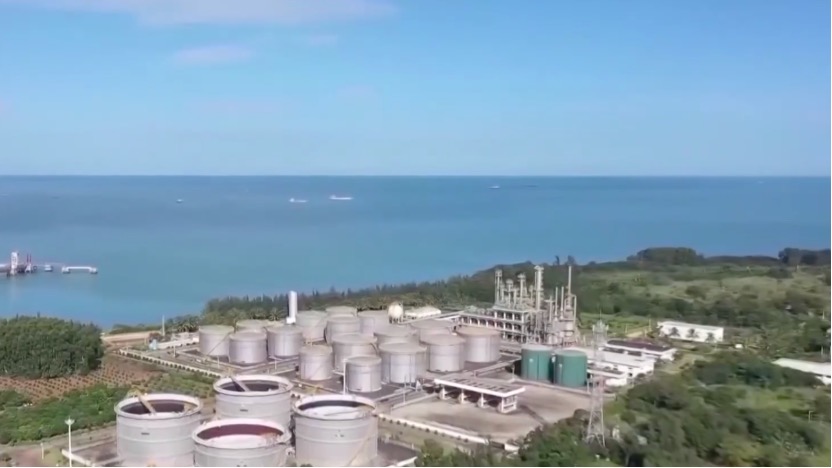
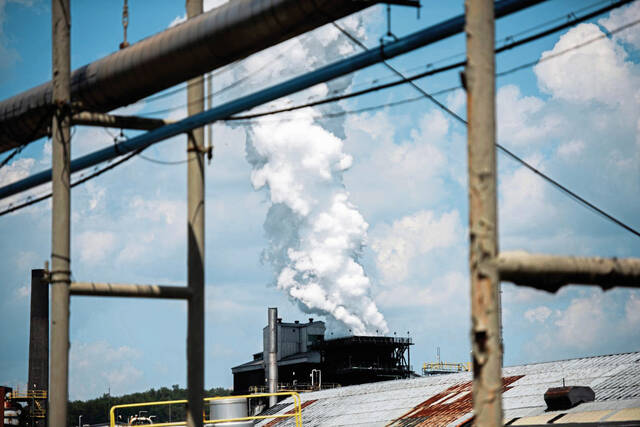
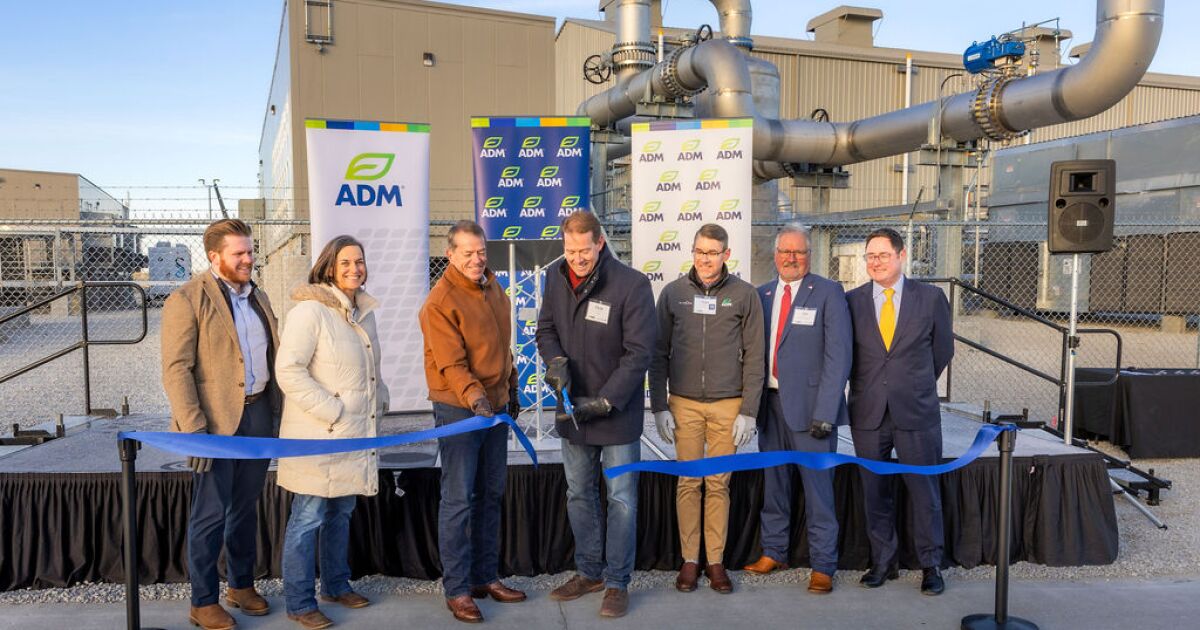
An operational carbon capture and storage (CCS) project in Columbus, Nebraska, marks a significant initiative in mitigating industrial emissions, directly contributing to SDG 13: Climate Action. The project involves a partnership between an ADM ethanol facility and the pipeline company Tallgrass.
- The ADM plant captures carbon dioxide (CO2), a primary greenhouse gas, during the corn-to-ethanol conversion process.
- The captured CO2 is then transferred to a neighboring Tallgrass facility for compression and cooling.
- Finally, the CO2 is transported via pipeline for permanent underground sequestration in Wyoming, preventing its release into the atmosphere.
Fostering Sustainable Industry, Innovation, and Economic Growth (SDG 9 & SDG 8)
The initiative serves as a model for SDG 9: Industry, Innovation, and Infrastructure by integrating advanced technology into existing industrial processes and repurposing infrastructure. This innovation simultaneously drives local economic development, aligning with SDG 8: Decent Work and Economic Growth.
- Innovative Infrastructure Use: Unlike similar projects facing opposition in neighboring states, this initiative utilizes a converted natural gas pipeline, minimizing new construction and environmental disruption.
- Economic Value Addition: As stated by Representative Mike Flood, the project enhances the value of the local agricultural economy, providing direct benefits to farmers in the region.
- Market-Driven Growth: The project is positioned as a market-driven solution that strengthens Nebraska’s agricultural sector and promotes domestic markets for biofuels, as supported by Governor Jim Pillen.
Advancing Clean Energy and Responsible Production (SDG 7 & SDG 12)
By reducing the carbon footprint of ethanol, the project supports the transition toward cleaner energy sources and promotes sustainable production methods, addressing SDG 7: Affordable and Clean Energy and SDG 12: Responsible Consumption and Production.
- According to ADM Plant Manager Todd Good, the primary outcome is a lower carbon intensity score for the ethanol produced.
- This reduction is expected to increase market demand for the biofuel, independent of federal tax credits, thereby creating a more sustainable production cycle.
- The partnership between ADM and Tallgrass exemplifies a multi-stakeholder collaboration (SDG 17: Partnerships for the Goals) to achieve shared environmental and economic objectives.
Analysis of Sustainable Development Goals in the Article
-
Which SDGs are addressed or connected to the issues highlighted in the article?
SDG 7: Affordable and Clean Energy
- The article focuses on ethanol production, which is a form of biofuel. The carbon capture process described aims to lower the “carbon intensity of our ethanol,” making it a cleaner energy source and increasing its demand. This directly relates to improving the quality and sustainability of energy sources.
SDG 8: Decent Work and Economic Growth
- The project is presented as a significant boost to the local agricultural economy. Rep. Mike Flood states it “puts Nebraska in the driver’s seat when it comes to the future of our ag economy” and is a “value-ad” for farmers. Gov. Jim Pillen also promotes biofuels as a way to “create new domestic markets for farmers,” which supports local economic growth.
SDG 9: Industry, Innovation, and Infrastructure
- The article describes a technological innovation—carbon capture and storage (CCS)—being integrated into an existing industry (ethanol production). It also details the infrastructure involved, such as the pipeline used to transport CO2 and the conversion of an “existing natural gas pipeline to carry CO2,” which represents an upgrade and retrofitting of industrial infrastructure.
SDG 13: Climate Action
- The fundamental purpose of capturing carbon dioxide from the ethanol production process is to prevent it from entering the atmosphere, thereby mitigating climate change. The article explicitly notes that the process is “good for the environment” by capturing CO2 and sending it to an “underground storage facility.”
-
What specific targets under those SDGs can be identified based on the article’s content?
SDG 7: Affordable and Clean Energy
- Target 7.2: By 2030, increase substantially the share of renewable energy in the global energy mix. The project enhances the viability and environmental credentials of ethanol, a renewable energy source, by lowering its carbon intensity, which can lead to an “increase in demand” and a greater share in the energy market.
SDG 8: Decent Work and Economic Growth
- Target 8.2: Achieve higher levels of economic productivity through diversification, technological upgrading and innovation. The article highlights how this technological upgrade (carbon capture) adds value to the agricultural sector, creating new market opportunities and enhancing the economic output of the region’s primary industry.
SDG 9: Industry, Innovation, and Infrastructure
- Target 9.4: By 2030, upgrade infrastructure and retrofit industries to make them sustainable, with increased resource-use efficiency and greater adoption of clean and environmentally sound technologies and industrial processes. The partnership between ADM and Tallgrass to capture, compress, and transport CO2 is a direct example of retrofitting an industrial process with a clean technology and upgrading infrastructure for a sustainable purpose.
SDG 13: Climate Action
- Target 13.2: Integrate climate change measures into national policies, strategies and planning. Although a local project, its viability is linked to “clean fuel tax credits” from a “federal budget bill,” showing how national policies can incentivize local climate action. The project itself is a direct climate change mitigation measure.
-
Are there any indicators mentioned or implied in the article that can be used to measure progress towards the identified targets?
SDG 7: Affordable and Clean Energy
- Indicator: Carbon intensity of fuel. The article explicitly states the project’s goal is to “lower the carbon intensity of our ethanol.” Measuring this reduction would be a direct indicator of progress toward cleaner energy.
SDG 8: Decent Work and Economic Growth
- Indicator: Creation of new domestic markets and value-added to the agricultural economy. The article implies that progress can be measured by the growth of domestic markets for biofuels, as mentioned by Gov. Pillen, and the economic “value-ad” for farmers, as noted by Rep. Flood.
SDG 9: Industry, Innovation, and Infrastructure
- Indicator: Amount of CO2 captured and stored. The article describes the process where the “ADM facility captures carbon dioxide” which is then “sent through a pipeline to an underground storage facility.” The volume of CO2 successfully captured and sequestered would be a key performance indicator for this industrial upgrade.
SDG 13: Climate Action
- Indicator: Reduction in greenhouse gas emissions. The primary outcome of capturing and storing CO2 is the reduction of emissions that would otherwise enter the atmosphere. The total amount of CO2 sequestered by the project serves as a direct measure of its contribution to climate action.
-
Create a table with three columns titled ‘SDGs, Targets and Indicators” to present the findings from analyzing the article. In this table, list the Sustainable Development Goals (SDGs), their corresponding targets, and the specific indicators identified in the article.
SDGs Targets Indicators SDG 7: Affordable and Clean Energy Target 7.2: Increase substantially the share of renewable energy in the global energy mix. The reduction in the “carbon intensity” of ethanol fuel. SDG 8: Decent Work and Economic Growth Target 8.2: Achieve higher levels of economic productivity through diversification, technological upgrading and innovation. The economic “value-ad” for farmers and the creation of “new domestic markets” for biofuels. SDG 9: Industry, Innovation, and Infrastructure Target 9.4: Upgrade infrastructure and retrofit industries to make them sustainable…with greater adoption of clean and environmentally sound technologies. The volume of “carbon dioxide” captured, transported, and stored in the “underground storage facility.” SDG 13: Climate Action Target 13.2: Integrate climate change measures into national policies, strategies and planning. The total amount of CO2 emissions reduced through capture and sequestration, supported by federal “clean fuel tax credits.”
Source: 3newsnow.com
What is Your Reaction?
 Like
0
Like
0
 Dislike
0
Dislike
0
 Love
0
Love
0
 Funny
0
Funny
0
 Angry
0
Angry
0
 Sad
0
Sad
0
 Wow
0
Wow
0