
















AEMO charts Australia’s rooftop solar boom to 42.5GW by 2036 – PV Tech
Australia’s Renewable Energy Transition: A Report on Progress Towards Sustainable Development Goals
Executive Summary
Australia is undergoing a significant energy transformation, marked by the rapid expansion of solar photovoltaic (PV) systems and battery storage. This transition is pivotal for achieving several United Nations Sustainable Development Goals (SDGs), particularly SDG 7 (Affordable and Clean Energy), SDG 9 (Industry, Innovation, and Infrastructure), SDG 11 (Sustainable Cities and Communities), and SDG 13 (Climate Action). This report outlines the projected growth, technological challenges, and policy reforms shaping Australia’s path towards a decarbonised and resilient energy future, as detailed by the Australian Energy Market Operator (AEMO).
Advancing SDG 7: Affordable and Clean Energy
Projected Growth in Solar PV Capacity
Australia’s commitment to increasing the share of renewable energy is evident in the projected expansion of solar PV. This growth directly supports SDG 7 by increasing access to clean energy for households and businesses.
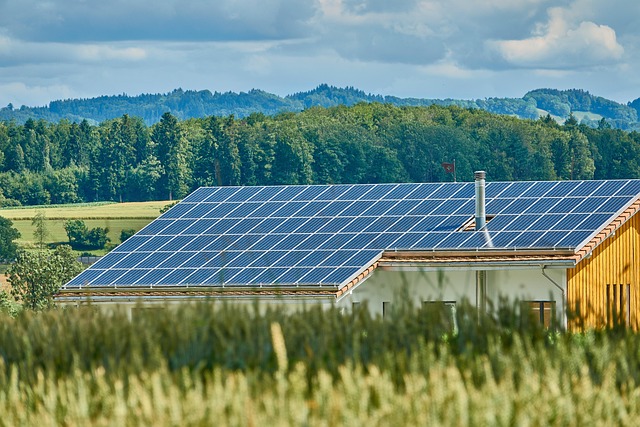
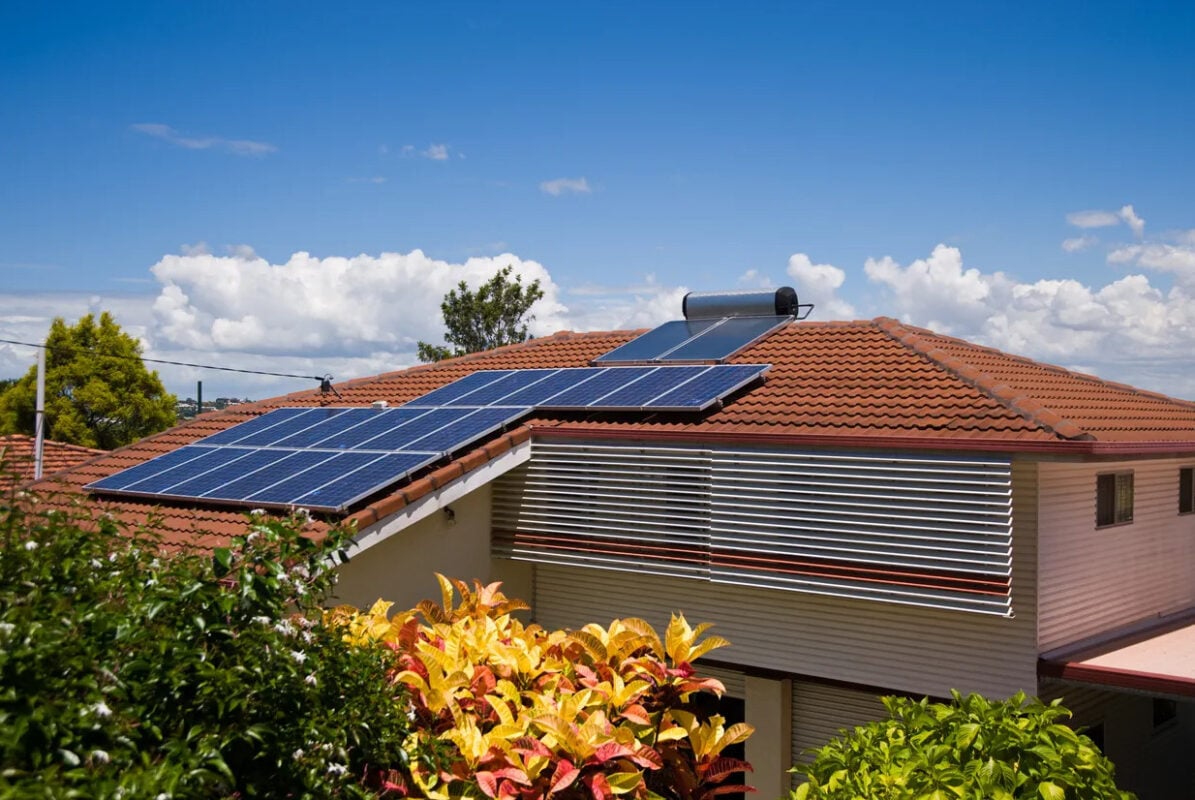
- Rooftop PV capacity is forecast to expand from 25.1GW in 2026 to 42.5GW by 2036.
- Non-scheduled PV generation (100kW-30MW) is expected to grow from 1.9GW to 4.8GW over the same period.
- Embedded energy storage capacity is projected to increase from 2.2GW in 2026 to 9.8GW by 2036.
Consumer-Led Transition to Clean Energy
The adoption of Distributed Energy Resources (DERs) by Australian consumers is occurring at a world-leading pace. This trend, driven by policy incentives and declining costs, empowers communities and contributes to SDG 11 by making cities and settlements more sustainable and energy-independent.
Fostering SDG 9 and 11: Innovation and Resilient Infrastructure
Technological Innovation for Grid Stability
The increasing penetration of variable renewable energy sources presents significant challenges to grid management. To build resilient infrastructure in line with SDG 9, Australia is focusing on advanced technological solutions to ensure system stability as traditional coal-fired power plants are retired.
The Critical Role of Grid-Forming Inverters
Battery Energy Storage Systems (BESS) equipped with grid-forming inverters are essential for maintaining a stable grid. This innovation is a cornerstone of a modern, sustainable energy infrastructure.
- Essential System Services: Grid-forming technology provides synthetic inertia, system strength, and frequency control, services historically supplied by synchronous generators.
- Current Capacity: The National Electricity Market (NEM) currently operates 10 grid-forming BESS sites with a combined capacity of 1,070MW.
- Development Pipeline: A robust pipeline includes 94 projects, comprising 78 standalone battery systems and 16 hybrid installations.
Managing the Transition from Fossil Fuels
The retirement of coal-fired power plants, such as the planned 2029 exit of the 1,680MW Gladstone Power Station, necessitates targeted investments in system strength solutions like synchronous condensers and grid-forming BESS to ensure grid stability and reliability.
Driving SDG 13 and 17: Policy, Partnerships, and Climate Action
Policy Reforms for Efficient Deployment
Achieving climate action targets under SDG 13 requires a supportive policy environment. AEMO is advocating for reforms to the National Electricity Rules to facilitate the efficient deployment of system strength and inertia resources.
- A rule change request was submitted to the Australian Energy Market Commission to address gaps in current planning and procurement frameworks.
- The System Strength Impact Assessment Guidelines are spurring a wave of investment in grid-forming BESS projects.
- Transmission network service providers plan to contract for over 8GW of grid-forming battery capacity by 2034.
Partnerships for a Coordinated Transition
Effective integration of DERs requires strong partnerships (SDG 17) between AEMO, distribution network service providers, and market participants. Key focus areas for collaboration include:
- Improving data quality in the DER Register.
- Enhancing compliance with inverter standards.
- Implementing emergency backstop mechanisms for distributed PV curtailment.
Conclusion: A Roadmap for Decarbonisation
Australia’s energy transition highlights the critical role of integrating solar PV and battery storage to achieve sustainability and reliability goals. The continued development of grid-forming inverter technology, supported by coordinated policy frameworks and collaborative partnerships, will be decisive in the pace and effectiveness of Australia’s journey towards its decarbonisation targets, positioning the NEM as a global leader in the integration of renewable energy.
Analysis of Sustainable Development Goals in the Article
1. Which SDGs are addressed or connected to the issues highlighted in the article?
-
SDG 7: Affordable and Clean Energy
- The article’s central theme is the expansion of solar photovoltaic (PV) energy, a form of clean energy. It discusses the growth of both rooftop and grid-scale solar installations, highlighting the shift towards renewable sources. The text mentions that “rooftop PV capacity will expand from 25.1GW in 2026 to 42.5GW by 2036,” positioning solar PV as a “cornerstone of Australia’s renewable energy strategy.”
-
SDG 9: Industry, Innovation, and Infrastructure
- The article extensively covers the need for innovation and infrastructure upgrades to support the energy transition. It details the challenges of integrating variable renewable energy into the grid and the technological solutions being developed, such as “grid-forming inverters” and “Battery storage systems (BESS).” The discussion on retiring coal plants and investing in “synchronous condensers and other system strength measures” points directly to the development of resilient and sustainable infrastructure.
-
SDG 13: Climate Action
- The transition from coal-fired power plants to renewable energy sources like solar PV is a direct measure to combat climate change. The article mentions the planned exit of the “1,680MW coal-fired Gladstone Power Station” and frames the entire energy transformation as a move “toward its decarbonisation targets,” which is a key component of climate action.
-
SDG 11: Sustainable Cities and Communities
- The article highlights the role of distributed energy resources (DERs), particularly the rapid adoption of “rooftop solar” and “home battery storage systems” by Australian households and businesses. This decentralization of energy production contributes to creating more sustainable and resilient communities by reducing reliance on centralized, fossil-fuel-based power generation.
2. What specific targets under those SDGs can be identified based on the article’s content?
-
Under SDG 7 (Affordable and Clean Energy):
- Target 7.2: By 2030, increase substantially the share of renewable energy in the global energy mix. The article directly supports this target by detailing the significant planned expansion of solar PV capacity in Australia, which increases the share of renewables in its energy mix.
- Target 7.a: By 2030, enhance international cooperation to facilitate access to clean energy research and technology… and promote investment in energy infrastructure and clean energy technology. The focus on developing and deploying advanced technologies like “grid-forming BESS,” refining “technical standards,” and the planned investment of “over 8GW of grid-forming battery capacity by 2034” aligns with this target.
-
Under SDG 9 (Industry, Innovation, and Infrastructure):
- Target 9.1: Develop quality, reliable, sustainable and resilient infrastructure. The entire article is about ensuring grid stability and reliability (“system strength and inertia”) while transitioning to a sustainable energy infrastructure based on renewables. The deployment of BESS and grid-forming inverters is aimed at making the infrastructure resilient to the variability of solar power.
- Target 9.4: By 2030, upgrade infrastructure and retrofit industries to make them sustainable. The article describes the process of upgrading Australia’s electricity grid to accommodate high renewable penetration, which involves retiring old infrastructure (“coal-fired power plants”) and retrofitting the system with new, sustainable technologies.
- Target 9.5: Enhance scientific research, upgrade the technological capabilities of industrial sectors… and encourage innovation. The discussion on “Type 2 Transitional Services trials” to evaluate inverter performance, the need for “ongoing technological advancements,” and the “Grid-forming Technology Access Standards Review” all point to efforts to enhance research and technological capabilities.
-
Under SDG 13 (Climate Action):
- Target 13.2: Integrate climate change measures into national policies, strategies and planning. The article describes AEMO’s “2025 Transition Plan” as a “roadmap for addressing technical, operational, and policy challenges” in the shift to renewables. This plan, along with proposed “reforms to the National Electricity Rules,” represents the integration of climate change mitigation strategies into national energy planning.
3. Are there any indicators mentioned or implied in the article that can be used to measure progress towards the identified targets?
-
For SDG 7 (Target 7.2):
- Indicator: Installed renewable energy capacity. The article provides specific figures that can be used as indicators, such as the projected growth of rooftop PV capacity from “25.1GW in 2026 to 42.5GW by 2036” and non-scheduled PV from “1.9GW to 4.8GW.” The growth of embedded energy storage from “2.2GW in 2026 to 9.8GW by 2036” is another quantifiable measure.
-
For SDG 9 (Target 9.1 & 9.4):
- Indicator: Investment in and capacity of new, resilient infrastructure. The article mentions the current capacity of “10 grid-forming BESS sites with a combined capacity of 1,070MW” and a development pipeline of “94 projects.” The plan for transmission network service providers to contract for “over 8GW of grid-forming battery capacity by 2034” serves as a clear indicator of infrastructure upgrades.
- Indicator: Reduction in outdated, non-sustainable infrastructure. The planned retirement of coal-fired power plants, such as the “1,680MW coal-fired Gladstone Power Station in 2029,” is a direct indicator of progress in making infrastructure more sustainable.
-
For SDG 13 (Target 13.2):
- Indicator: Adoption of national strategies or plans for climate change mitigation. The article explicitly refers to the “2025 Transition Plan” and a “rule change request to the Australian Energy Market Commission” as formal policy and planning mechanisms. The existence and implementation of these frameworks serve as an indicator of integrating climate action into national policy.
4. Table of SDGs, Targets, and Indicators
| SDGs | Targets | Indicators Identified in the Article |
|---|---|---|
| SDG 7: Affordable and Clean Energy | 7.2: Increase substantially the share of renewable energy in the global energy mix. | Projected growth of rooftop PV capacity from 25.1GW to 42.5GW by 2036; Growth of embedded energy storage capacity from 2.2GW to 9.8GW by 2036. |
| SDG 9: Industry, Innovation, and Infrastructure | 9.1: Develop quality, reliable, sustainable and resilient infrastructure. 9.4: Upgrade infrastructure and retrofit industries to make them sustainable. |
Installed capacity of grid-forming BESS (currently 1,070MW); Planned contraction of over 8GW of grid-forming battery capacity by 2034; Planned retirement of 1,680MW of coal-fired power capacity. |
| SDG 9: Industry, Innovation, and Infrastructure | 9.5: Enhance scientific research, upgrade the technological capabilities… and encourage innovation. | Implementation of “Type 2 Transitional Services trials”; Development of a “voluntary specification for grid-forming inverters”; The ongoing “Grid-forming Technology Access Standards Review”. |
| SDG 13: Climate Action | 13.2: Integrate climate change measures into national policies, strategies and planning. | The existence and implementation of the “2025 Transition Plan”; Submission of a “rule change request to the Australian Energy Market Commission” to support the energy transition. |
| SDG 11: Sustainable Cities and Communities | 11.6: Reduce the adverse per capita environmental impact of cities. | “World-leading pace” of consumer investment in rooftop solar, home battery storage systems, and electric vehicles (EVs), indicating a shift in energy consumption patterns at the household level. |
Source: pv-tech.org
What is Your Reaction?
 Like
0
Like
0
 Dislike
0
Dislike
0
 Love
0
Love
0
 Funny
0
Funny
0
 Angry
0
Angry
0
 Sad
0
Sad
0
 Wow
0
Wow
0