
















Air pollution, not diet, shows the strongest link to poorer concentration in schoolgirls – News-Medical
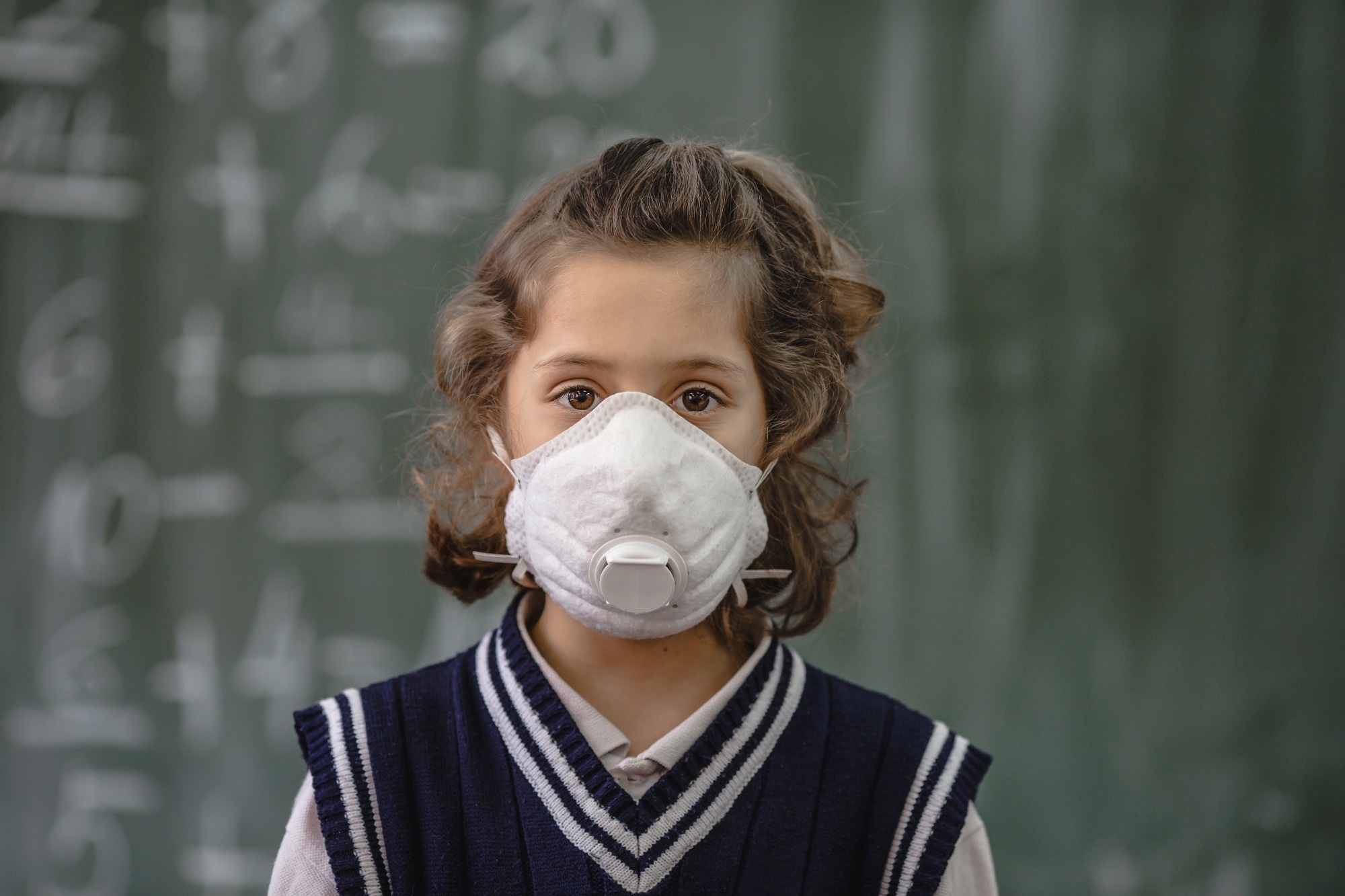
Report on the Impact of Air Pollution and Dietary Antioxidants on Cognitive Function in Schoolgirls
Introduction
A recent study published in BMC Public Health investigated the combined and individual effects of air pollution exposure and dietary antioxidants on concentration and memory among young female students in Iran. This research aligns with the Sustainable Development Goals (SDGs), particularly SDG 3 (Good Health and Well-being), SDG 4 (Quality Education), and SDG 11 (Sustainable Cities and Communities), by addressing environmental health and cognitive development in children.
Background: Cognitive Development, Diet, and Environmental Exposure
Short-term memory and concentration are critical cognitive functions influencing children’s learning and academic success, which contribute to lifelong outcomes (SDG 4). Deficits in these areas can impair educational achievement even in children with normal intelligence.
Key factors affecting cognition include:
- Perinatal influences
- Exposure to environmental toxins such as air pollution (SDG 11)
- Dietary quality, particularly antioxidant intake (SDG 3)
Previous studies have linked poor diets deficient in antioxidants and micronutrients to reduced memory and attention, while diets rich in fish, fruits, and vegetables appear protective. Air pollution has emerged as a major risk factor for neurodevelopmental impairments, especially in urban areas with high pollution levels.
Oxidative stress is a common mechanism underlying cognitive impairments from both poor diet and pollution exposure. However, prior to this study, no research had evaluated the combined influence of air pollution and dietary antioxidants on children’s cognition.
Study Design and Population
- Cross-sectional study including 300 female students aged 9-12 years from Tehran, a megacity with high air pollution.
- Participants were selected using stratified random sampling from districts with high and low pollution levels.
Assessment Methods
Air Pollution Exposure
Exposure classification was based on official air quality monitoring data, reflecting real-world environmental conditions (SDG 11).
Dietary Antioxidant Intake
- Parents completed a semi-quantitative 168-item Food Frequency Questionnaire (FFQ), adapted from the Tehran Lipid and Glucose Study.
- Dietary total antioxidant capacity (dTAC) was calculated using Ferric Reducing Antioxidant Power (FRAP) values for 106 food items.
- Participants were categorized into low- and high-dTAC groups based on median intake.
Cognitive Outcome Measures
- Concentration assessed via the Continuous Performance Test (CPT), measuring omission errors, commission errors, and reaction time.
- Short-term memory evaluated using the Wechsler Memory Scale for Children.
- Additional data on anthropometrics, demographics, socioeconomic status, and lifestyle were collected through parent questionnaires.
Statistical Analysis
Analyses included chi-square tests and two-way ANOVA to examine main and interaction effects of pollution and dTAC. Multivariable models adjusted for confounders such as age, energy intake, socioeconomic factors, dietary micronutrients, and BMI.
Key Findings
Dietary Antioxidants and Participant Characteristics
- Children with lower dietary antioxidant intake were slightly younger, shorter, and heavier, with less outdoor activity, though anthropometric differences were not statistically significant.
- Higher dTAC was associated with greater consumption of energy, fruits, carbohydrates, vitamins A, C, B9, iron, and zinc.
- Air pollution exposure correlated with differences in parental smoking, education, and occupation, indicating socioeconomic disparities.
Memory Outcomes
Memory scores were modestly higher among students with higher dTAC and those living in less polluted areas; however, these differences were not statistically significant after adjustments.
Concentration and Attention
- Children in less polluted areas demonstrated significantly better concentration performance.
- Higher dTAC was associated with improved concentration in some adjusted models, though this relationship was less consistent than that with pollution exposure.
- No significant interaction between dTAC and air pollution was found for memory or concentration, indicating dietary antioxidants did not mitigate pollution-related cognitive effects.
Conclusions and Public Health Implications
This study highlights the predominant role of air pollution in impairing concentration among schoolgirls, even when accounting for dietary antioxidant intake. While antioxidant-rich diets may modestly support attention, environmental pollution exerts a more consistent negative effect on cognitive function.
These findings emphasize the importance of integrated approaches to achieving the SDGs, including:
- Reducing air pollution to protect children’s neurodevelopment and promote health (SDG 3, SDG 11).
- Encouraging healthy dietary patterns rich in antioxidants to support cognitive function (SDG 3, SDG 2 – Zero Hunger).
- Enhancing educational outcomes by addressing environmental and nutritional determinants of cognition (SDG 4).
Limitations of the study include its cross-sectional design, use of an adult-adapted FFQ for children, and inclusion of only female participants, which restricts generalizability and causal inference.
Future research should employ longitudinal designs and child-specific dietary assessments to better understand the impacts on cognitive development and memory.
1. Sustainable Development Goals (SDGs) Addressed or Connected to the Issues Highlighted in the Article
- SDG 3: Good Health and Well-being
- The article discusses the impact of air pollution and diet on cognitive function in children, linking environmental health and nutrition to overall well-being.
- SDG 4: Quality Education
- Cognitive functions such as concentration and memory are foundational for learning and academic performance, directly relating to educational outcomes.
- SDG 11: Sustainable Cities and Communities
- The study focuses on air pollution exposure in urban areas (Tehran), highlighting the need for sustainable urban environments that reduce pollution.
- SDG 2: Zero Hunger
- Diet quality, including antioxidant intake, is discussed as a factor influencing cognitive development, linking nutrition to health and development.
2. Specific Targets Under Those SDGs Identified Based on the Article’s Content
- SDG 3: Good Health and Well-being
- Target 3.9: By 2030, substantially reduce the number of deaths and illnesses from hazardous chemicals and air, water and soil pollution and contamination.
- Target 3.4: Reduce premature mortality from non-communicable diseases through prevention and treatment, and promote mental health and well-being.
- SDG 4: Quality Education
- Target 4.1: Ensure that all girls and boys complete free, equitable and quality primary and secondary education leading to relevant and effective learning outcomes.
- Target 4.5: Eliminate gender disparities in education and ensure equal access to all levels of education and vocational training for vulnerable populations.
- SDG 11: Sustainable Cities and Communities
- Target 11.6: Reduce the adverse per capita environmental impact of cities, including by paying special attention to air quality and municipal and other waste management.
- SDG 2: Zero Hunger
- Target 2.2: End all forms of malnutrition, including achieving targets on stunted and wasted children under 5 years of age, and address the nutritional needs of adolescent girls, pregnant and lactating women.
3. Indicators Mentioned or Implied in the Article to Measure Progress Towards the Identified Targets
- Air Pollution Exposure Indicators
- Official monitoring data on air pollution levels in different districts (e.g., high- and low-pollution areas in Tehran).
- Measures of particulate matter and other pollutants affecting cognitive health (implied).
- Dietary Antioxidant Intake Indicators
- Dietary Total Antioxidant Capacity (dTAC) calculated using Ferric Reducing Antioxidant Power (FRAP) values from food frequency questionnaires.
- Intake levels of vitamins A, C, B9, iron, zinc, fruits, and vegetables.
- Cognitive Function Indicators
- Concentration performance measured by Continuous Performance Test (CPT) including omission errors, commission errors, and reaction time.
- Short-term memory assessed by Wechsler Memory Scale for Children.
- Socioeconomic and Lifestyle Variables
- Parental smoking habits, education, occupation, and children’s anthropometric measurements (BMI, height, weight).
4. Table: SDGs, Targets and Indicators
| SDGs | Targets | Indicators |
|---|---|---|
| SDG 3: Good Health and Well-being |
|
|
| SDG 4: Quality Education |
|
|
| SDG 11: Sustainable Cities and Communities |
|
|
| SDG 2: Zero Hunger |
|
|
Source: news-medical.net
What is Your Reaction?
 Like
0
Like
0
 Dislike
0
Dislike
0
 Love
0
Love
0
 Funny
0
Funny
0
 Angry
0
Angry
0
 Sad
0
Sad
0
 Wow
0
Wow
0