





































;Resize=620#)











DC Water Unveils Pure Water DC: A Bold Vision to Strengthen Resilience and Secure a Second Source of Water – DC Water
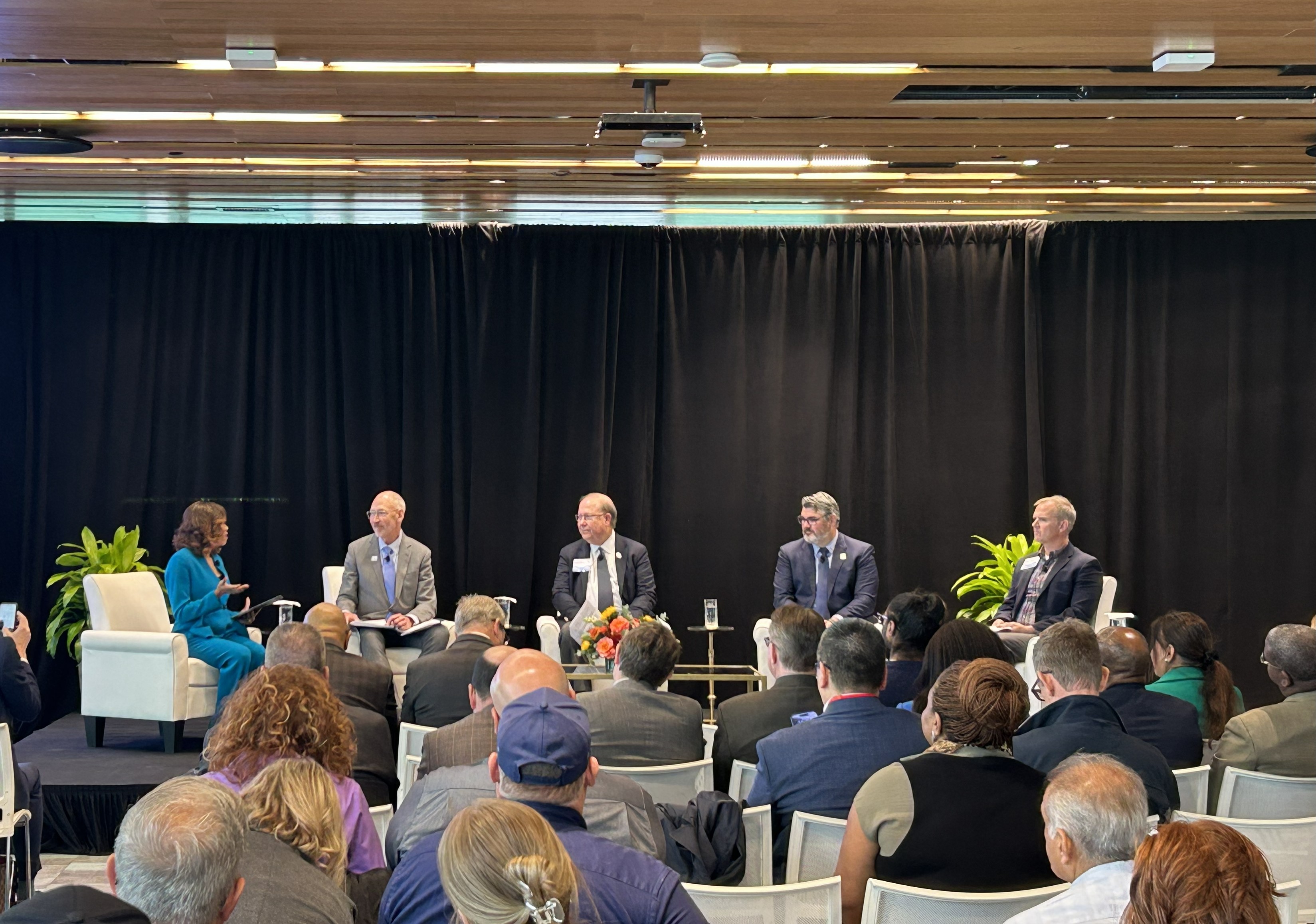
Report on the Launch of the Pure Water DC Initiative
Introduction: Enhancing Water Resilience in the Nation’s Capital
DC Water has launched a strategic initiative, Pure Water DC, to enhance the water supply resilience for Washington, D.C. The program’s primary objective is to establish a secure, secondary source of drinking water, addressing the critical vulnerability of relying solely on the Potomac River and the Washington Aqueduct. This initiative directly supports the United Nations Sustainable Development Goals, particularly SDG 6 (Clean Water and Sanitation) by ensuring the availability and sustainable management of water, and SDG 11 (Sustainable Cities and Communities) by making the capital more resilient to potential water-related disruptions.
Strategic Imperatives and Alignment with Sustainable Development Goals
Mitigating Single-Source Vulnerability
The current water infrastructure presents a significant risk, as any disruption to the Potomac River or the Washington Aqueduct could have severe consequences for the region. A near-crisis event, where the water supply was nearly exhausted, highlighted this vulnerability. The Pure Water DC program is a proactive measure to strengthen resilience against climate-related hazards such as extreme drought and volatile weather patterns, aligning with SDG 13 (Climate Action). By planning for these contingencies, the initiative also contributes to SDG 11.5, which aims to significantly reduce the impact of disasters on urban populations.
Economic and National Security Considerations
The potential impact of a water supply disruption is substantial. A 2024 study by the Interstate Commission on the Potomac River Basin estimated that a major disruption could lead to regional economic losses of $15 billion in the first month alone. Securing a reliable water supply is therefore essential for economic stability and national security. This underscores the importance of achieving SDG 6 to protect both public health and economic productivity.
Core Components of the Pure Water DC Strategy
The initiative outlines a multi-faceted approach to address the region’s water supply challenges:
- Exploration of Advanced Water Reuse: In line with SDG 9 (Industry, Innovation, and Infrastructure), the program will investigate advanced water reuse at DC Water’s Blue Plains facility. This innovative technology provides a drought-proof, cost-effective secondary water source, directly supporting SDG 6.4 by addressing water scarcity through sustainable practices.
- Source Water Protection and System Optimization: The strategy includes safeguarding the existing water source and optimizing the efficiency of the distribution system. This commitment to maintaining water quality and infrastructure integrity is fundamental to achieving SDG 6.1 (universal access to safe drinking water).
- Development of Local and Regional Storage: To enhance emergency preparedness, the plan involves adding local storage and collaborating on long-term regional storage projects, such as the Travilah Quarry. This collaborative approach exemplifies SDG 17 (Partnerships for the Goals), fostering cooperation among regional stakeholders for shared resilience.
Implementation, Investment, and Innovation
Financial Commitment and Research
DC Water has committed an initial $21 million in seed funding over three years. These funds will be allocated to pilot advanced technologies, conduct critical research, and facilitate regulatory and public engagement, ensuring a scientifically sound and community-supported implementation process.
The Pure Water DC Discovery Center
A key component of the initiative is the Pure Water DC Discovery Center, with construction scheduled to begin in 2026. This facility will function as a central hub for innovation, education, and collaboration. By advancing research and sharing knowledge, the Center will contribute to SDG 9 by promoting technological advancement and SDG 17 by serving as a platform for partnership and knowledge-sharing among water management experts.
National and Regional Partnerships for Sustainable Water Management
The success of Pure Water DC is built on a foundation of robust collaboration, reflecting the principles of SDG 17. Key partnerships include:
- U.S. Army Corps of Engineers (USACE): The Discovery Center will provide research and data for a USACE feasibility study aimed at accelerating the understanding and implementation of water reuse technologies across the region.
- U.S. Environmental Protection Agency (EPA): The EPA has designated Pure Water DC as an action under its National Water Reuse Action Plan (WRAP), integrating the initiative into a national framework of priority projects designed to advance water reuse.
- Regional Stakeholders: The program serves as a regional call to action, inviting utilities, government agencies, and stakeholders throughout the Washington Metropolitan Area to collaborate on building a resilient and sustainable water future for all.
Analysis of Sustainable Development Goals in the Article
1. Which SDGs are addressed or connected to the issues highlighted in the article?
-
SDG 6: Clean Water and Sanitation
The entire article is centered on ensuring a secure and resilient supply of clean drinking water for Washington, D.C. The “Pure Water DC” program directly addresses the core principles of SDG 6 by planning for water security, managing water resources, and implementing advanced treatment technologies.
-
SDG 9: Industry, Innovation, and Infrastructure
The initiative focuses on developing resilient infrastructure to safeguard the water supply. It highlights innovation through the adoption of “advanced water reuse” technologies and the creation of the “Pure Water DC Discovery Center” as a hub for research and collaboration. The $21 million investment in piloting technologies is a direct contribution to this goal.
-
SDG 11: Sustainable Cities and Communities
The program aims to make the nation’s capital more resilient to water-related shocks and disruptions. By securing a second source of drinking water, it ensures the continued functioning of the city and protects its “nearly a million residents and visitors” from a potential crisis, thereby making the urban environment safer and more sustainable.
-
SDG 13: Climate Action
The article explicitly states that the risks to the water supply are increasing due to “more volatile weather patterns” and “extreme drought,” which are consequences of climate change. The Pure Water DC program is a direct climate adaptation strategy, designed to strengthen the region’s resilience to these climate-related hazards.
-
SDG 17: Partnerships for the Goals
The article emphasizes that the program is a “regional call to action” and highlights extensive collaboration. It mentions partnerships with “industry experts, utilities, and federal and state regulators,” including the US Army Corps of Engineers (USACE) and the Environmental Protection Agency (EPA), demonstrating a multi-stakeholder approach to achieving water security.
2. What specific targets under those SDGs can be identified based on the article’s content?
-
Target 6.1: Achieve universal and equitable access to safe and affordable drinking water for all.
The program’s primary goal is to “secure a second source of drinking water for the nation’s capital” to prevent a disruption that could affect nearly a million people, thereby ensuring continuous and safe access.
-
Target 6.4: Substantially increase water-use efficiency and ensure sustainable withdrawals.
The strategy of “advanced water reuse” is a direct method to increase water-use efficiency. By purifying and recycling water, the program creates a “drought-proof” source that reduces the strain on the Potomac River, ensuring more sustainable water management.
-
Target 9.1: Develop quality, reliable, sustainable and resilient infrastructure.
The initiative is fundamentally about building resilient water infrastructure. This includes creating a second water source, “safeguarding the current source,” and “adding local storage” to protect against disruptions and support the region’s economy and well-being.
-
Target 11.5: Significantly reduce the number of people affected by water-related disasters.
The article references a “near crisis” and the “catastrophic consequences” of a water supply disruption. The entire program is a preventative measure designed to mitigate the risk of such a water-related disaster and protect the population.
-
Target 13.1: Strengthen resilience and adaptive capacity to climate-related hazards.
The program is a direct response to increasing risks from climate change, such as “extreme drought” and “volatile weather patterns.” By diversifying the water supply, it enhances the region’s adaptive capacity to these climate-related threats.
-
Target 17.17: Encourage and promote effective public, public-private and civil society partnerships.
The article describes a collaborative effort involving DC Water (a public utility), federal agencies (EPA, USACE), regional bodies (Interstate Commission on the Potomac River Basin), and other utilities, embodying the multi-stakeholder partnership model promoted by this target.
3. Are there any indicators mentioned or implied in the article that can be used to measure progress towards the identified targets?
-
Financial Investment in Infrastructure and Innovation:
The article explicitly mentions a commitment of “$21 million in seed funding over the next three years” to pilot technologies and conduct research. This serves as a direct financial indicator for investment in resilient infrastructure and innovation (SDG 9).
-
Reduction of Economic Risk:
A 2024 study is cited, estimating that a water supply disruption could result in “$15 billion in regional economic losses in just the first month.” The reduction of this potential economic loss is a key indicator of the program’s success in building resilience (SDG 11).
-
Diversification of Water Sources:
The article states that the Washington Aqueduct currently supplies “100% of DC Water’s drinking water.” A primary indicator of progress will be the reduction of this single-source dependency and the establishment of a second source through water reuse, which can be measured as a percentage of total supply (SDG 6).
-
Development of New Infrastructure and Research Facilities:
A concrete milestone mentioned is the “Pure Water DC Discovery Center, scheduled to break ground in 2026.” The construction and operation of this center is a measurable indicator of progress in research and innovation (SDG 9).
-
Formation of Multi-Stakeholder Partnerships:
The article implies that the number and effectiveness of collaborations are a measure of success. It names several partners (EPA, USACE, regional utilities) and notes that Pure Water DC was designated as a “WRAP action,” indicating the formation of key partnerships (SDG 17).
4. Summary Table of SDGs, Targets, and Indicators
| SDGs | Targets | Indicators (Mentioned or Implied in the Article) |
|---|---|---|
| SDG 6: Clean Water and Sanitation | 6.1: Achieve universal access to safe drinking water. 6.4: Increase water-use efficiency and ensure sustainable withdrawals. |
Percentage of water supply from diversified sources (moving from 100% single-source reliance); Volume of water produced through advanced reuse. |
| SDG 9: Industry, Innovation, and Infrastructure | 9.1: Develop quality, reliable, sustainable and resilient infrastructure. | Financial commitment to new technology and research ($21 million in seed funding); Establishment of the Pure Water DC Discovery Center by 2026. |
| SDG 11: Sustainable Cities and Communities | 11.5: Reduce the number of people affected by water-related disasters. | Reduction in potential economic losses from a water disruption (mitigating a potential $15 billion loss); Increased days of emergency water storage. |
| SDG 13: Climate Action | 13.1: Strengthen resilience and adaptive capacity to climate-related hazards. | Implementation of a water resilience strategy (the Pure Water DC strategy itself) to combat risks from drought and volatile weather. |
| SDG 17: Partnerships for the Goals | 17.17: Encourage and promote effective public, public-private and civil society partnerships. | Number of active partnerships with federal, state, and regional entities (e.g., EPA, USACE, regional utilities). |
Source: dcwater.com
What is Your Reaction?
 Like
0
Like
0
 Dislike
0
Dislike
0
 Love
0
Love
0
 Funny
0
Funny
0
 Angry
0
Angry
0
 Sad
0
Sad
0
 Wow
0
Wow
0