Department Of City Planning Shutters Design Division – citylimits.org
Department of City Planning Restructures Design Division Amid Housing Expansion Efforts
Introduction
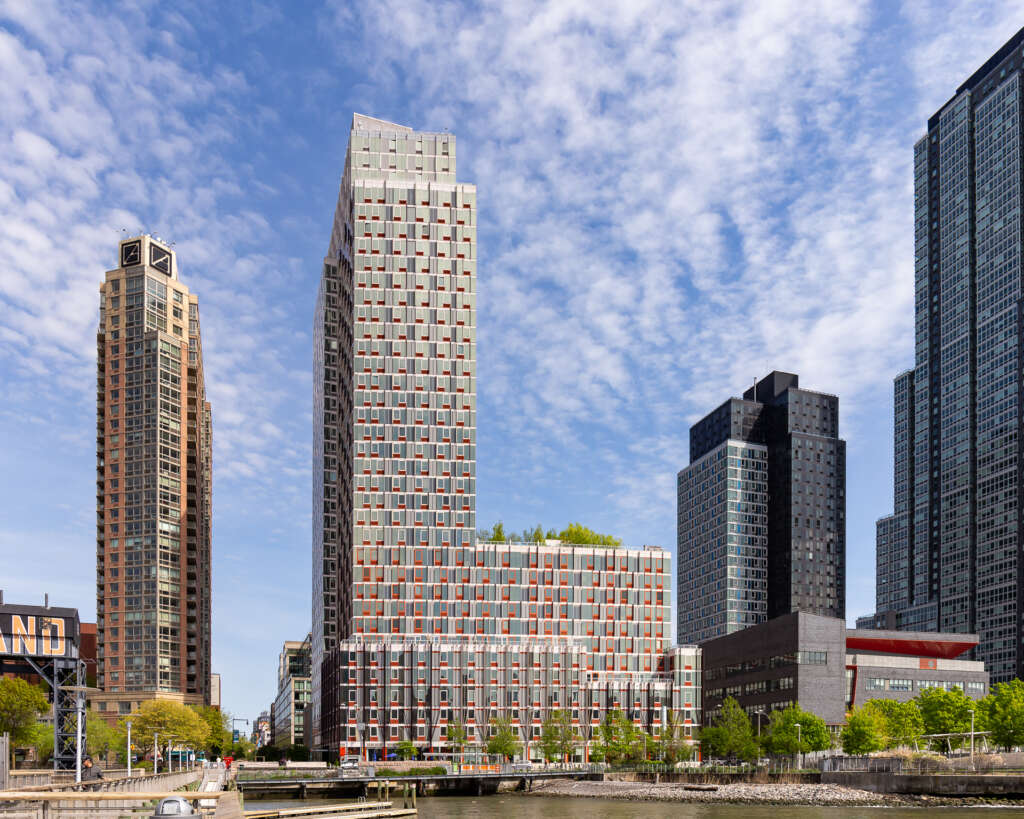
In a recent development, the Department of City Planning (DCP) has reorganized its central design division, which traditionally utilized zoning tools to manage public spaces and shape neighborhood character. This change coincides with the City Council’s approval of a major rezoning plan aimed at creating up to 15,000 new homes in Long Island City (LIC). The restructuring has raised concerns among urban planners and community advocates about the potential deprioritization of livability as the city pursues ambitious housing goals.
Context of the Rezoning Plan
The LIC rezoning plan includes:
- Creation of up to 15,000 new housing units
- $650 million allocated for local infrastructure projects
- Development of a new waterfront esplanade on the East River
- Upgrades to sewer systems and expansion of open spaces
Urban designers at DCP played a critical role in coordinating these efforts by preserving open spaces, visualizing neighborhood transformations, and designing physical infrastructure.
Reorganization of the Urban Design Division
- In late December, prior to Zohran Mamdani taking office, DCP closed its central design team and reassigned seven urban designers to other teams.
- The agency described the change as a “reorganization,” emphasizing that urban design remains integral to smart planning and sustainable city development.
- DCP Executive Director Edith Hsu-Chen stated that urban designers are now embedded across borough offices and citywide policy divisions to ensure design values are integrated throughout the agency.
Stakeholder Reactions and Concerns
- Former and current planners expressed concern that dismantling the central design team could undermine neighborhood livability amid rapid housing development.
- Jeffrey Shumaker, former head of the design team, emphasized the need to enhance rather than diminish urban design efforts, highlighting its role in balancing housing quantity with quality.
- Councilmember Julie Won questioned the effectiveness of a decentralized design structure in delivering large-scale projects, underscoring the importance of design in gaining community support.
- Urban design experts noted the division’s past contributions, such as resilient design standards post-Hurricane Sandy and waterfront preservation in the Gowanus rezoning.
Alignment with Sustainable Development Goals (SDGs)
The DCP’s work and the recent changes relate closely to several United Nations Sustainable Development Goals:
- SDG 11: Sustainable Cities and Communities
- Urban design efforts aim to create inclusive, safe, resilient, and sustainable neighborhoods by managing public spaces and infrastructure.
- The LIC waterfront esplanade and open space expansions contribute to sustainable urban environments.
- SDG 9: Industry, Innovation, and Infrastructure
- Investments in sewer upgrades and infrastructure modernization support resilient and sustainable city systems.
- SDG 1: No Poverty and SDG 10: Reduced Inequalities
- The creation of affordable housing units aligns with goals to reduce poverty and promote social inclusion.
- Comprehensive planning efforts seek to ensure equity in urban development.
- SDG 13: Climate Action
- Resilient design standards, such as those implemented post-Hurricane Sandy, contribute to climate adaptation and disaster risk reduction.
Future Outlook and Planning Challenges
- Newly inaugurated Mayor Zohran Mamdani has pledged to build hundreds of thousands of affordable housing units and pursue development near transit hubs.
- Mamdani’s campaign platform advocates for comprehensive planning to create a holistic vision for affordability, equity, and growth, addressing the city’s current lack of a unified development plan.
- Concerns remain that the restructuring may hinder long-term strategic planning and the training of future urban designers.
- DCP leadership maintains confidence that the reorganization will enhance urban design integration across the agency’s work.
Conclusion
The Department of City Planning’s reorganization reflects the complex balance between expanding housing supply and maintaining neighborhood livability, a challenge central to sustainable urban development. Emphasizing the Sustainable Development Goals, particularly SDG 11, the city’s planning efforts must integrate quality urban design to ensure equitable, resilient, and sustainable communities as New York City grows.
1. Sustainable Development Goals (SDGs) Addressed or Connected to the Issues Highlighted in the Article
- SDG 11: Sustainable Cities and Communities
- The article discusses urban planning, rezoning, and neighborhood livability in New York City, which directly relates to making cities inclusive, safe, resilient, and sustainable.
- SDG 6: Clean Water and Sanitation
- References to sewer upgrades and waterfront esplanade improvements imply efforts towards sustainable water management and sanitation infrastructure.
- SDG 9: Industry, Innovation and Infrastructure
- The focus on infrastructure design, urban design innovation, and planning tools connects to building resilient infrastructure and fostering innovation.
- SDG 1: No Poverty
- The article mentions affordable housing initiatives, which relate to reducing poverty by providing access to adequate housing.
- SDG 13: Climate Action
- References to resilient design standards post-Hurricane Sandy indicate efforts to adapt urban infrastructure to climate-related hazards.
2. Specific Targets Under Those SDGs Identified Based on the Article’s Content
- SDG 11: Sustainable Cities and Communities
- Target 11.3: By 2030, enhance inclusive and sustainable urbanization and capacity for participatory, integrated and sustainable human settlement planning and management.
- Target 11.7: By 2030, provide universal access to safe, inclusive and accessible, green and public spaces.
- SDG 6: Clean Water and Sanitation
- Target 6.3: Improve water quality by reducing pollution and increasing recycling and safe reuse.
- SDG 9: Industry, Innovation and Infrastructure
- Target 9.1: Develop quality, reliable, sustainable and resilient infrastructure.
- SDG 1: No Poverty
- Target 1.4: Ensure that all men and women have equal rights to economic resources, including access to basic services and affordable housing.
- SDG 13: Climate Action
- Target 13.1: Strengthen resilience and adaptive capacity to climate-related hazards and natural disasters.
3. Indicators Mentioned or Implied in the Article to Measure Progress Towards the Identified Targets
- SDG 11 Indicators
- Proportion of urban population living in slums, informal settlements or inadequate housing (implied through focus on affordable and livable housing).
- Proportion of public spaces that are safe, inclusive, and accessible (implied through waterfront esplanade and open space development).
- Number of new housing units created through rezoning and planning initiatives (explicitly mentioned as up to 15,000 new homes in Long Island City and over 400,000 potential units citywide).
- SDG 6 Indicators
- Proportion of wastewater safely treated (implied through sewer upgrades).
- SDG 9 Indicators
- Extent of resilient infrastructure development (implied through resilient design standards and infrastructure planning).
- SDG 1 Indicators
- Proportion of population living in affordable housing (implied through affordable housing pledges and plans).
- SDG 13 Indicators
- Number of urban design projects incorporating climate resilience measures (implied through references to post-Hurricane Sandy design standards).
4. Table: SDGs, Targets and Indicators
| SDGs | Targets | Indicators |
|---|---|---|
| SDG 11: Sustainable Cities and Communities |
|
|
| SDG 6: Clean Water and Sanitation |
|
|
| SDG 9: Industry, Innovation and Infrastructure |
|
|
| SDG 1: No Poverty |
|
|
| SDG 13: Climate Action |
|
|
Source: citylimits.org
What is Your Reaction?
 Like
0
Like
0
 Dislike
0
Dislike
0
 Love
0
Love
0
 Funny
0
Funny
0
 Angry
0
Angry
0
 Sad
0
Sad
0
 Wow
0
Wow
0