Energy Secretary Wright Champions Lower Snake River Dams in Recent Visit – America’s Electric Cooperatives

Report on the Importance of Lower Snake River Dams and Their Role in Sustainable Development
Introduction
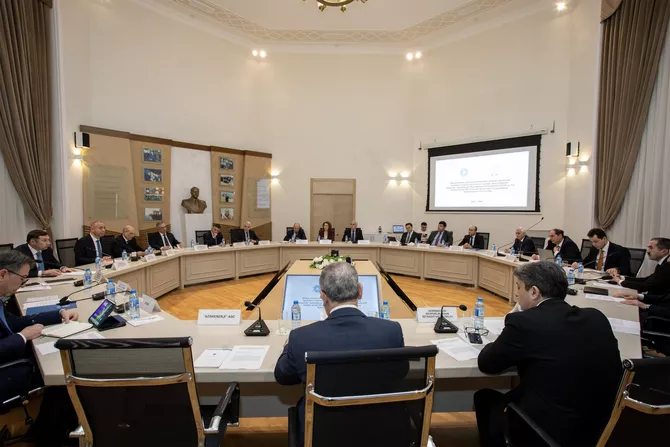
Energy Secretary Chris Wright reaffirmed the Trump administration’s support for the Lower Snake River dams during a visit to Washington state. The visit underscored the dams’ critical role in providing affordable, reliable, and carbon-free electricity to millions of Americans, including members of electric cooperatives. This report highlights the significance of these dams in the context of the United Nations Sustainable Development Goals (SDGs), particularly SDG 7 (Affordable and Clean Energy), SDG 8 (Decent Work and Economic Growth), and SDG 13 (Climate Action).
Significance of the Lower Snake River Dams
-
Energy Production and Sustainability
- The four Lower Snake River dams collectively generate over 3,000 megawatts of hydroelectric power.
- This power is reliable, affordable, and carbon-free, contributing directly to SDG 7 by promoting access to affordable, reliable, sustainable, and modern energy.
- The dams supply electricity to 52 electric cooperatives across eight Western states, supporting energy equity and community development.
-
Economic and Social Benefits
- Hydropower assets in Washington state help maintain electricity prices well below the national average, fostering economic growth aligned with SDG 8.
- The dams provide additional benefits including navigation, irrigation, and recreation, which support rural communities and agricultural sectors.
- Maintaining these dams supports economically disadvantaged rural populations by ensuring affordable energy and sustaining local economies.
-
Environmental Considerations and Policy Actions
- The dams produce carbon-free electricity, contributing to climate action efforts under SDG 13.
- Despite concerns regarding endangered salmon populations, the Trump administration revoked a 2023 Biden-era agreement that proposed breaching the dams, emphasizing the balance between environmental and economic priorities.
- Congress holds the ultimate authority over any decision to breach the dams, highlighting the importance of policy in sustainable infrastructure management.
Government and Stakeholder Engagement
- Secretary Wright’s visit to Ice Harbor Dam and the Pacific Northwest National Laboratory demonstrated federal commitment to sustaining hydroelectric power resources.
- Advocacy by the National Rural Electric Cooperative Association (NRECA) influenced policy decisions to protect the dams, reflecting stakeholder engagement in sustainable energy governance.
- NRECA CEO Jim Matheson emphasized the dams’ essential role in maintaining power supply and supporting the regional economy during congressional testimony.
Conclusion
The Lower Snake River dams are vital assets that align with multiple Sustainable Development Goals by providing affordable, clean energy, supporting economic growth, and contributing to climate action. Continued support and smart energy policies are essential to maintain these benefits for the Northwestern United States and beyond.
References
- National Rural Electric Cooperative Association (NRECA) advocacy and testimonies
- U.S. Army Corps of Engineers, Walla Walla District Office
- Statements from Energy Secretary Chris Wright and NRECA CEO Jim Matheson
1. Sustainable Development Goals (SDGs) Addressed or Connected
- SDG 7: Affordable and Clean Energy
- The article emphasizes the importance of hydroelectric power from the Lower Snake River dams as a source of affordable, reliable, and carbon-free electricity.
- SDG 8: Decent Work and Economic Growth
- The dams support the regional economy by providing affordable energy, benefiting farmers, transportation, and rural communities.
- SDG 13: Climate Action
- The article highlights the dams’ role in generating carbon-free electricity, contributing to reducing greenhouse gas emissions.
- SDG 15: Life on Land
- The article references concerns about endangered salmon populations affected by the dams, linking to biodiversity and ecosystem conservation.
2. Specific Targets Under Identified SDGs
- SDG 7: Affordable and Clean Energy
- Target 7.1: By 2030, ensure universal access to affordable, reliable and modern energy services.
- Target 7.2: By 2030, increase substantially the share of renewable energy in the global energy mix.
- SDG 8: Decent Work and Economic Growth
- Target 8.4: Improve progressively, through 2030, global resource efficiency in consumption and production.
- Target 8.5: Achieve full and productive employment and decent work for all women and men.
- SDG 13: Climate Action
- Target 13.2: Integrate climate change measures into national policies, strategies and planning.
- SDG 15: Life on Land
- Target 15.5: Take urgent and significant action to reduce the degradation of natural habitats, halt the loss of biodiversity.
3. Indicators Mentioned or Implied to Measure Progress
- SDG 7 Indicators
- Indicator 7.1.1: Proportion of population with access to electricity (implied by the mention of affordable power to millions).
- Indicator 7.2.1: Renewable energy share in the total final energy consumption (implied by the dams’ carbon-free electricity generation).
- Indicator 7.3.1: Energy intensity measured in terms of primary energy and GDP (implied by the focus on affordable and efficient energy).
- SDG 8 Indicators
- Indicator 8.4.1: Material footprint, material footprint per capita, and material footprint per GDP (implied by the economic benefits and resource efficiency).
- Indicator 8.5.2: Unemployment rate, by sex, age and persons with disabilities (implied by the mention of economic support to communities).
- SDG 13 Indicators
- Indicator 13.2.2: Total greenhouse gas emissions per year (implied by the carbon-free nature of hydropower).
- SDG 15 Indicators
- Indicator 15.5.1: Red List Index (implied by concerns about endangered salmon populations).
4. Table of SDGs, Targets, and Indicators
| SDGs | Targets | Indicators |
|---|---|---|
| SDG 7: Affordable and Clean Energy |
|
|
| SDG 8: Decent Work and Economic Growth |
|
|
| SDG 13: Climate Action |
|
|
| SDG 15: Life on Land |
|
|
Source: electric.coop
What is Your Reaction?
 Like
0
Like
0
 Dislike
0
Dislike
0
 Love
0
Love
0
 Funny
0
Funny
0
 Angry
0
Angry
0
 Sad
0
Sad
0
 Wow
0
Wow
0