












































;Resize=620#)










How Data Centers Can Support Energy Resiliency While Managing AI Demand – Harvard Business Review
Report on Data Center Energy Resiliency and AI Demand Management in the Context of Sustainable Development Goals
The rapid proliferation of Artificial Intelligence (AI) presents a dual challenge to the global community. While AI is a critical enabler for innovation and economic growth, its intensive computational requirements are placing unprecedented strain on energy infrastructure. This report examines how data centers can manage this escalating demand while simultaneously enhancing energy resiliency and contributing directly to the United Nations Sustainable Development Goals (SDGs).
The Confluence of AI Growth and Global Sustainability Mandates
The energy consumption of data centers is projected to increase significantly, driven largely by AI workloads. This trajectory poses a direct challenge to several key SDGs:
- SDG 7 (Affordable and Clean Energy): The surge in energy demand risks straining electrical grids and could increase reliance on fossil fuels, undermining the goal of ensuring access to affordable, reliable, sustainable, and modern energy for all.
- SDG 13 (Climate Action): Increased energy consumption from non-renewable sources will exacerbate carbon emissions, directly conflicting with urgent climate action targets.
- SDG 9 (Industry, Innovation, and Infrastructure): While data centers are a cornerstone of modern digital infrastructure, their unsustainable growth could compromise the resilience and long-term viability of this very infrastructure.
Strategic Framework for Sustainable Data Center Operations
To mitigate these risks and transform data centers into catalysts for sustainable development, a multi-faceted strategic approach is required. This framework aligns operational imperatives with specific SDG targets.
Strategy 1: Advancing Energy Efficiency and Responsible Consumption (SDG 12)
The foundational step is to optimize energy use within the data center itself, aligning with SDG 12 (Responsible Consumption and Production). Key initiatives include:
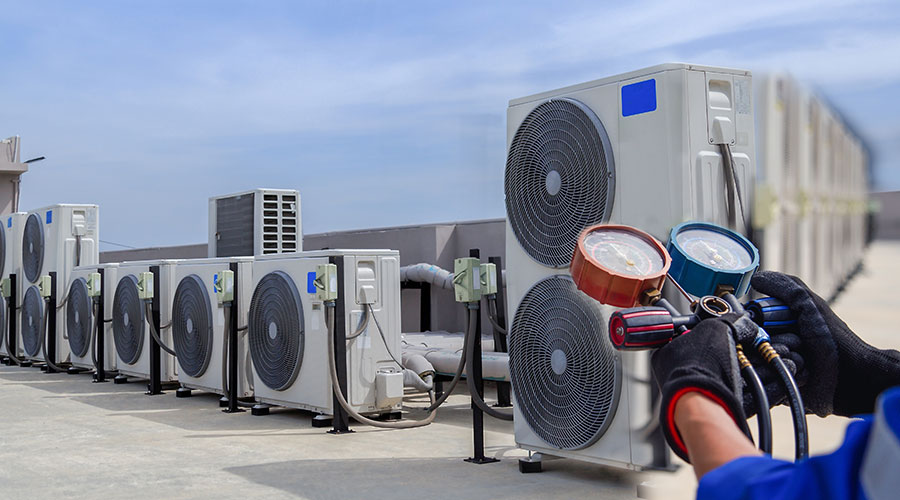
- Deployment of Advanced Cooling Technologies: Transitioning from traditional air cooling to more efficient methods like liquid cooling can drastically reduce the energy required for thermal management, a primary component of data center power consumption.
- Modernization of Power Infrastructure: Implementing high-efficiency Uninterruptible Power Supply (UPS) systems and intelligent power distribution units (PDUs) minimizes energy loss and optimizes load management.
- AI-Powered Operations: Utilizing AI and machine learning algorithms to monitor and dynamically manage power and cooling in real-time ensures that resources are consumed with maximum efficiency.
Strategy 2: Integration with Clean Energy Systems (SDG 7)
Data centers must actively transition towards clean energy sources to meet the objectives of SDG 7. This involves moving beyond passive consumption to active participation in the renewable energy ecosystem.
- On-site Renewable Generation: Developing on-site solar or wind power generation capabilities to meet a portion of the facility’s energy needs.
- Power Purchase Agreements (PPAs): Engaging in long-term PPAs to fund new renewable energy projects, thereby adding clean capacity to the grid.
- Microgrid Integration: Designing data centers as anchor tenants for local microgrids, which can operate independently or in conjunction with the main grid, enhancing reliability with clean energy sources like battery storage and hydrogen fuel cells.
Strategy 3: Enhancing Grid Resiliency and Sustainable Communities (SDG 11)
Modern data centers can evolve from being simple energy consumers to grid-interactive assets that support community-wide energy stability, a core tenet of SDG 11 (Sustainable Cities and Communities).
- Demand-Response Participation: Enrolling in demand-response programs where data centers intelligently reduce their power consumption during peak grid demand, helping to prevent blackouts and stabilize energy supply for the wider community.
- Energy Storage as a Service: Leveraging large-scale battery systems (often part of UPS infrastructure) to store excess renewable energy from the grid and discharge it when needed, effectively acting as a grid-stabilizing battery.
- Waste Heat Recapture: Capturing waste heat generated by servers and redirecting it for use in nearby district heating systems or industrial applications, creating a circular energy economy and reducing the overall carbon footprint of the community.
Conclusion: A Roadmap for SDG-Aligned Digital Infrastructure
The challenge of powering the AI revolution is inextricably linked to the global mandate for sustainable development. By strategically focusing on energy efficiency, clean energy integration, and grid support, data center operators can manage the demands of AI while making substantial contributions to SDG 7, SDG 9, SDG 11, SDG 12, and SDG 13. This transformation is not merely an operational upgrade but a fundamental repositioning of data centers as critical, responsible, and resilient pillars of a sustainable global infrastructure.
SDGs Addressed in the Article
-
SDG 7: Affordable and Clean Energy
- The article’s title, “How Data Centers Can Support Energy Resiliency While Managing AI Demand,” directly points to the challenges of energy consumption and reliability. It implies a discussion on ensuring access to stable and sustainable energy for critical digital infrastructure, which is a core theme of SDG 7. The focus on “managing AI demand” highlights the need for energy efficiency and potentially integrating cleaner energy sources to cope with rising consumption.
-
SDG 9: Industry, Innovation, and Infrastructure
- Data centers are a fundamental component of modern digital infrastructure. The article addresses the need to innovate this infrastructure to handle the demands of new technologies like AI. This aligns with SDG 9’s goal of building resilient infrastructure, promoting inclusive and sustainable industrialization, and fostering innovation. The discussion on making data centers more efficient and resilient is a direct reflection of upgrading industrial infrastructure for sustainability.
-
SDG 11: Sustainable Cities and Communities
- The concept of “energy resiliency” is crucial for the functioning of sustainable cities and communities. The article suggests that data centers can play a role in supporting this resiliency. This connects to SDG 11 by exploring how critical infrastructure can be integrated into community energy systems to enhance stability and sustainability, making cities more resilient to energy disruptions.
-
SDG 13: Climate Action
- The massive energy consumption of data centers, particularly for AI, has significant implications for greenhouse gas emissions. By addressing how to manage this energy demand, the article implicitly connects to climate action. Strategies for energy efficiency and the potential use of cleaner energy sources are direct measures to mitigate the climate impact of the digital industry, aligning with the goals of SDG 13.
Specific SDG Targets Identified
-
Targets under SDG 7 (Affordable and Clean Energy)
- Target 7.2: By 2030, increase substantially the share of renewable energy in the global energy mix. The article’s focus on “energy resiliency” suggests a need for diverse and sustainable power sources for data centers, including renewables, to ensure uninterrupted operation and reduce carbon footprint.
- Target 7.3: By 2030, double the global rate of improvement in energy efficiency. The challenge of “managing AI demand” is fundamentally a challenge of energy efficiency. The article would logically discuss technologies and strategies to reduce the energy consumed per unit of computational output in data centers.
-
Targets under SDG 9 (Industry, Innovation, and Infrastructure)
- Target 9.4: By 2030, upgrade infrastructure and retrofit industries to make them sustainable, with increased resource-use efficiency and greater adoption of clean and environmentally sound technologies and industrial processes. The entire premise of the article is about upgrading data center infrastructure to be more sustainable and efficient in the face of new technological (AI) demands.
-
Targets under SDG 11 (Sustainable Cities and Communities)
- Target 11.b: By 2020, substantially increase the number of cities and human settlements adopting and implementing integrated policies and plans towards inclusion, resource efficiency, mitigation and adaptation to climate change, resilience to disasters. The article’s theme of data centers supporting “energy resiliency” implies they can be part of integrated plans to make community energy grids more robust and resilient.
Indicators for Measuring Progress
-
Indicators for SDG 7 Targets
- Implied Indicator for Target 7.2: The article implies the use of indicators like the percentage of total energy consumed by data centers that comes from renewable sources. This would be a direct measure of progress towards increasing the share of clean energy.
- Implied Indicator for Target 7.3: The discussion on managing energy demand suggests metrics like Power Usage Effectiveness (PUE), a standard industry measure for data center energy efficiency. A lower PUE value indicates a more efficient data center, directly tracking improvements in energy efficiency.
-
Indicators for SDG 9 Targets
- Implied Indicator for Target 9.4: The article’s focus on sustainability implies the need to measure the environmental impact of data centers. An indicator such as Carbon Usage Effectiveness (CUE) or CO2 emissions per unit of computing power would be relevant for tracking the adoption of cleaner technologies and processes in this industry.
-
Indicators for SDG 11 Targets
- Implied Indicator for Target 11.b: To measure the contribution of data centers to community energy resiliency, an indicator could be the number of grid-support services provided by data centers or the reduction in downtime for local energy grids in areas where data centers are integrated as a stabilizing element.
Summary Table of SDGs, Targets, and Indicators
| SDGs | Targets | Indicators |
|---|---|---|
| SDG 7: Affordable and Clean Energy |
|
|
| SDG 9: Industry, Innovation, and Infrastructure |
|
|
| SDG 11: Sustainable Cities and Communities |
|
|
| SDG 13: Climate Action |
|
|
Source: hbr.org
What is Your Reaction?
 Like
0
Like
0
 Dislike
0
Dislike
0
 Love
0
Love
0
 Funny
0
Funny
0
 Angry
0
Angry
0
 Sad
0
Sad
0
 Wow
0
Wow
0