
















Multi-layer networks reveal changes in plant-bird interactions driven by invasive species – Nature
Executive Summary
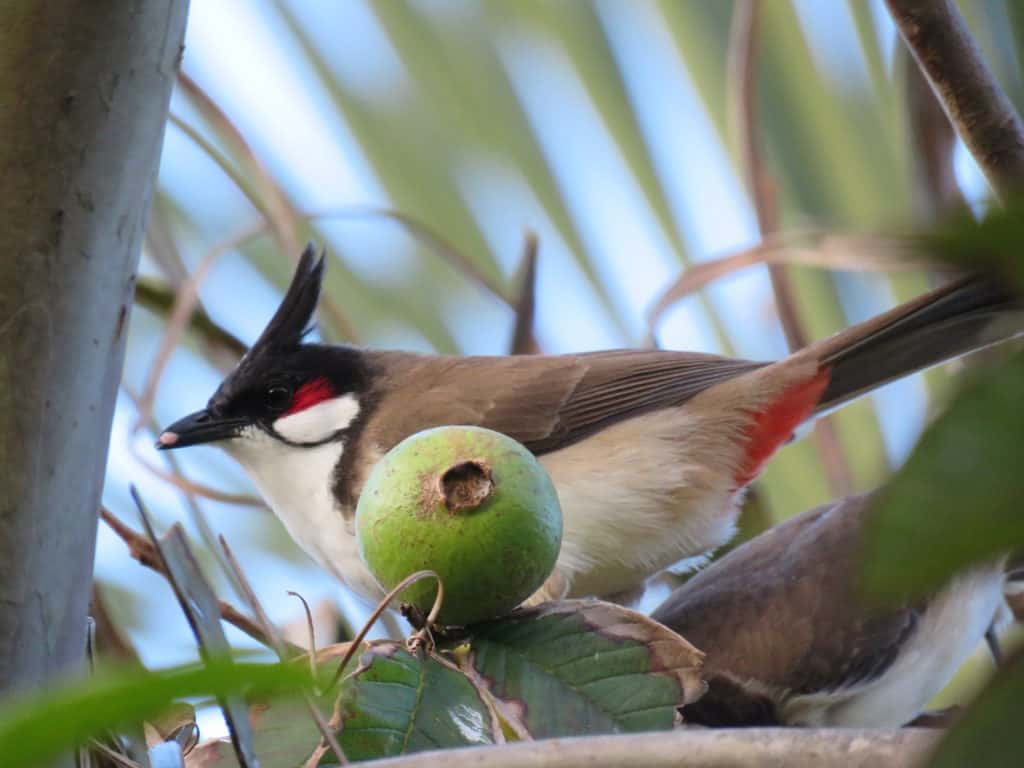
This report analyzes the ecological impact of two invasive parrot species, the rose-ringed parakeet (Psittacula krameri) and the monk parakeet (Myiopsitta monachus), on plant-bird interaction networks. The study reveals that these species significantly disrupt and restructure local ecosystems, posing a direct challenge to the achievement of Sustainable Development Goal 15 (Life on Land). By functioning as both seed predators and dispersers, the parakeets become central connectors within ecological networks, introducing novel interactions and altering fundamental structural properties like modularity and nestedness. A key finding is their role in facilitating the dispersal of exotic plants, many of which were previously unutilized by native birds. This activity increases the risk of secondary invasions, threatening native biodiversity and ecosystem integrity. These findings highlight the urgent need to assess the multifaceted roles of invasive species to develop effective management strategies that protect terrestrial ecosystems and support sustainable urban development (SDG 11).
Introduction: Invasive Species and Sustainable Development
Biological invasions represent a primary driver of biodiversity loss and a significant impediment to achieving Sustainable Development Goal 15 (Life on Land), which calls for the protection, restoration, and sustainable use of terrestrial ecosystems. The introduction of invasive alien species, often facilitated by human activities such as the global pet trade, directly contravenes Target 15.8, which aims to control or eradicate such species. Invasive parrots, established worldwide through accidental or deliberate releases, exemplify this challenge. Their lack of co-evolutionary history with native flora and fauna can lead to severe disruptions in ecological processes, compromising community functionality and ecosystem services. This report evaluates how two of the world’s most widespread invasive parrots reshape plant-bird community interactions, providing critical insights into their ecological impact and the subsequent risks to sustainable development.
Analysis of Ecological Network Impacts
Network Restructuring and Biodiversity Integrity
The introduction of invasive parakeets fundamentally alters the structure of local plant-bird interaction networks. This restructuring threatens the stability and biodiversity of the ecosystem, directly impacting the targets of SDG 15.
- Introduction of Novel Interactions: The parakeets introduced 88 new interactions, many involving plant species not previously consumed by the native bird community.
- Increased Antagonism: The invasion led to a significant increase in antagonistic interactions (seed predation), shifting the balance away from the predominantly mutualistic relationships that characterized the pre-invasion network.
- Altered Network Topology: The presence of parakeets modified the network’s modularity and increased its nestedness. These structural changes were primarily driven by species turnover rather than the rewiring of existing interactions, indicating a profound disruption to the community’s organization.
- Facilitation of Native Species: Through food-wasting behavior, parakeets facilitated access for native birds to previously inaccessible food resources, creating new pathways for both seed predation and dispersal.
Role of Invasive Parakeets as Central Connectors
Invasive parakeets rapidly assume central roles within the invaded ecosystem, functioning as key connectors that bridge different types of ecological interactions. Their dual function as both mutualists and antagonists is a critical factor in their transformative impact.
- Centrality in the Network: Parakeets became dominant nodes in the network, surpassing native species in both the number of plant species they interacted with (degree) and their connection to other highly-connected species (eigenvector).
- Linking Subnetworks: By simultaneously engaging in seed predation (antagonism) and seed dispersal (mutualism) with a wide range of plants, parakeets increased the connectivity between these two distinct interaction subnetworks, enhancing the complexity and altering the dynamics of the entire ecosystem.
Facilitation of Secondary Invasions and Exotic Plant Dispersal
A primary threat posed by invasive parakeets is their capacity to disperse exotic plants, creating the potential for secondary invasions that further degrade native ecosystems and undermine SDG 15.
- Interaction with Exotic Plants: The parakeets interacted with numerous exotic plant species, many of which are common in urban and peri-urban horticulture—a major pathway for plant introductions.
- Promotion of Rare Dispersal Mechanisms: The parakeets significantly increased the prevalence of epizoochory (external transport on the body) and stomatochory (transport in the beak), dispersal mechanisms that were rare or absent in the native bird community.
- Dispersal of Unassisted Plants: All nine plant species newly integrated into the network’s dispersal system were dispersed by parakeets, primarily via stomatochory. This introduces new pathways for plant colonization, particularly for exotic species with dry fruits that native birds do not typically disperse.
Implications for Sustainable Development Goals (SDGs)
SDG 15: Life on Land
The study’s findings directly relate to the targets of SDG 15, which focuses on halting biodiversity loss and combating the spread of invasive species.
- Target 15.5 (Protect Biodiversity and Natural Habitats): The disruption of ecological networks and the introduction of novel, often antagonistic, interactions threaten the stability of native communities and contribute to biodiversity decline.
- Target 15.8 (Control Invasive Alien Species): The research demonstrates how invasive parakeets not only establish themselves but also facilitate the spread of other non-native species (exotic plants), compounding the threat of biological invasions and highlighting the need for integrated management approaches.
SDG 11: Sustainable Cities and Communities
As the study was conducted in urban and peri-urban landscapes, the results have significant implications for sustainable urban planning.
- Target 11.7 (Provide Access to Green and Public Spaces): Urban parks and gardens, while providing social benefits, can act as hubs for invasive species. The parakeets’ use of ornamental exotic plants in these spaces serves as a vector for spreading them into surrounding natural habitats.
- Urban Biodiversity Management: The findings underscore the need for urban planning to incorporate biodiversity management strategies that account for the risks posed by both invasive fauna and flora to create resilient and sustainable cities.
SDG 12: Responsible Consumption and Production
The root cause of the parrot invasion is linked to global patterns of consumption and trade, making the issue relevant to SDG 12.
- Target 12.8 (Promote Universal Understanding of Sustainable Lifestyles): The invasion originates from the exotic pet trade, an example of unsustainable consumption with far-reaching ecological consequences. Public awareness and responsible consumer choices are critical to preventing future introductions.
Conclusion and Recommendations for Sustainable Management
Invasive rose-ringed and monk parakeets are powerful ecological agents that restructure plant-bird interaction networks. Their dual role as seed predators and dispersers, combined with their ability to utilize and spread exotic plants, poses a significant and previously underestimated threat to achieving key Sustainable Development Goals, particularly SDG 15. Their continued population growth and geographic expansion are likely to intensify these impacts. To mitigate these threats and advance sustainability targets, the following actions are recommended:
- Implement Integrated Monitoring Programs: Establish comprehensive monitoring to track the populations of invasive parrots and their interactions with both native and exotic plants, focusing on the urban-rural interface to predict and manage the spread of secondary invaders.
- Develop Coordinated Management Strategies: Create management plans that address invasive birds and plants in tandem, recognizing their synergistic impacts. This approach should be integrated into urban planning and regional biodiversity conservation efforts to support SDG 11 and SDG 15.
- Re-evaluate Ecological Roles: Conduct further research to fully understand the complex ecological functions of parrots, both in their native ranges and in invaded ecosystems. This knowledge is essential for predicting the long-term consequences of their presence and for prioritizing conservation and management actions.
- Address Root Causes of Invasion: Strengthen regulations and public awareness campaigns targeting the exotic pet trade to prevent the initial introduction of potentially invasive species, aligning with the principles of sustainable consumption under SDG 12.
Analysis of Sustainable Development Goals (SDGs) in the Article
1. Which SDGs are addressed or connected to the issues highlighted in the article?
The primary Sustainable Development Goal (SDG) addressed in the article is SDG 15, which focuses on protecting, restoring, and promoting the sustainable use of terrestrial ecosystems, sustainably managing forests, combating desertification, and halting and reversing land degradation and biodiversity loss.
- SDG 15: Life on Land
The article directly relates to SDG 15 by investigating the profound impact of biological invasions on local ecosystems. It details how two invasive parrot species, the rose-ringed parakeet and the monk parakeet, disrupt the natural balance by altering plant-bird interaction networks. The text states, “Biological invasions can strongly disrupt ecosystems, reshaping their structure and functioning,” which is a core concern of SDG 15. The study’s focus on how these invasive species compromise biodiversity and modify community functionality aligns perfectly with the goal’s aim to protect terrestrial life.
2. What specific targets under those SDGs can be identified based on the article’s content?
Based on the article’s discussion of invasive species and their effects on biodiversity and ecosystems, several specific targets under SDG 15 can be identified:
- Target 15.5: Take urgent and significant action to reduce the degradation of natural habitats, halt the loss of biodiversity and, by 2020, protect and prevent the extinction of threatened species.
The article provides clear evidence of ecosystem degradation and threats to biodiversity caused by the invasive parakeets. It states that the parakeets “modified networks by introducing novel interactions, increasing species turnover and altering modularity and nestedness.” This alteration of fundamental ecological processes represents a significant degradation of the natural habitat’s functional structure and a direct threat to the stability of the native biological community.
- Target 15.8: By 2020, introduce measures to prevent the introduction and significantly reduce the impact of invasive alien species on land and water ecosystems and control or eradicate the priority species.
This is the most directly relevant target. The entire study is an in-depth analysis of the impact of two “widespread invasive parrots.” The article highlights that “most current invasive species are almost exclusively introduced through human activities,” specifically mentioning the pet trade as a key pathway for parrots. The research aims to understand their ecological impacts to inform future management, stating that “Comprehensive assessments are essential to predict and mitigate these far-reaching consequences,” which is a prerequisite for implementing the control measures called for in this target.
- Target 15.9: By 2020, integrate ecosystem and biodiversity values into national and local planning, development processes, poverty reduction strategies and accounts.
The article’s conclusion implicitly supports this target by emphasizing the need for informed management strategies. The findings that parakeets heighten “the risk of secondary invasions and the spread of exotic plants” underscore the necessity of integrating ecological knowledge into urban and peri-urban planning. The call to “reassess their contributions in native and invaded ecosystems” is a call to action for planners and conservation managers to incorporate such biodiversity values into their decision-making processes to prevent further ecological disruption.
3. Are there any indicators mentioned or implied in the article that can be used to measure progress towards the identified targets?
Yes, the article mentions and implies several quantitative and qualitative indicators that can be used to measure the impact of invasive species and the health of ecosystems, thereby tracking progress towards the identified targets.
- Indicators for Target 15.5 (Halting biodiversity loss):
- Changes in Ecological Network Structure: The article uses metrics like “modularity,” “nestedness,” and “species turnover (βST)” to quantify the disruption of the ecosystem. Tracking these metrics over time can serve as a direct indicator of habitat degradation or restoration.
- Number of Novel Interspecific Interactions: The study documented “88 novel antagonistic and mutualistic interactions exclusive to parakeets.” This number can be used as an indicator of the extent to which an invasive species is altering community structure.
- Indicators for Target 15.8 (Controlling invasive alien species):
- Population and Geographic Spread of Invasive Species: The article refers to the parakeets’ “population growth and geographic spread” as a factor that will intensify their ecological impacts. Monitoring the population size and range of the rose-ringed and monk parakeets is a direct indicator for assessing the effectiveness of control measures.
- Rate of Secondary Invasions: The article highlights the parakeets’ role in dispersing exotic plants, which “heightened the risk of secondary invasions.” An indicator could be the number and spread of non-native plant species whose dispersal is facilitated by the invasive parrots. The study noted an increase in the percentage of exotic plants in the network from 52% to 62%.
- Proportion of Fruits Dispersed by Different Mechanisms: The study quantifies the shift in seed dispersal mechanisms, noting that epizoochory increased to 2% and stomatochory rose from 10% to 20% in the invasion network. These proportions can indicate the functional changes brought about by invasive species.
- Indicators for Target 15.9 (Integrating biodiversity values into planning):
- Implementation of Comprehensive Assessments: The article concludes that “Comprehensive assessments are essential to predict and mitigate these far-reaching consequences.” The existence and use of such scientific assessments in local and national management plans would be a key indicator of progress for this target.
4. Table of SDGs, Targets, and Indicators
| SDGs | Targets | Indicators Identified in the Article |
|---|---|---|
| SDG 15: Life on Land | 15.5: Halt biodiversity loss |
|
| SDG 15: Life on Land | 15.8: Prevent and manage invasive alien species |
|
| SDG 15: Life on Land | 15.9: Integrate biodiversity values into planning |
|
Source: nature.com
What is Your Reaction?
 Like
0
Like
0
 Dislike
0
Dislike
0
 Love
0
Love
0
 Funny
0
Funny
0
 Angry
0
Angry
0
 Sad
0
Sad
0
 Wow
0
Wow
0