
















St Peter Port water main being replaced after 80 years – BBC
Replacement of Post-War Water Main in St Peter Port
Project Overview
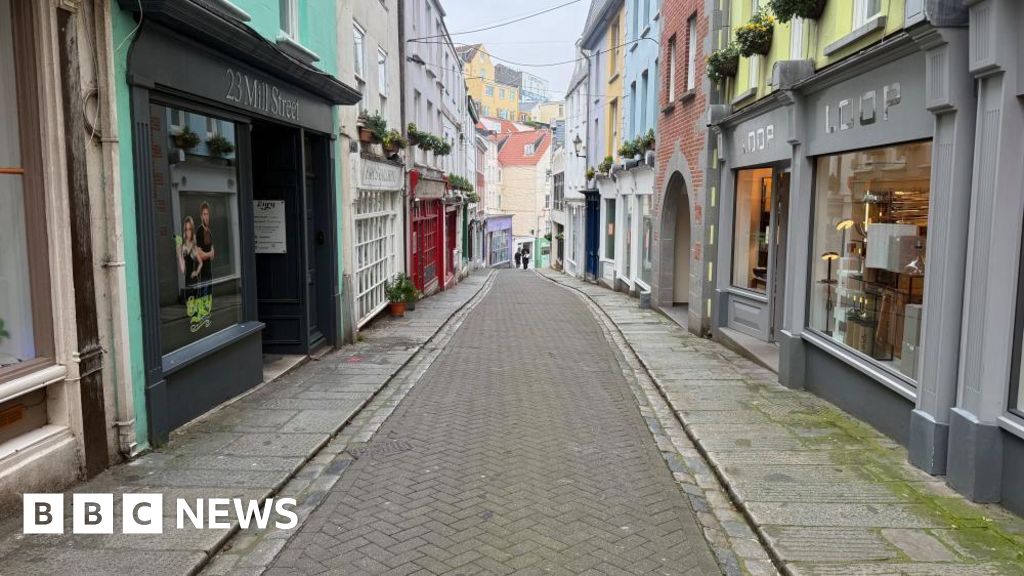
Guernsey Water has announced the replacement of a water main installed in 1946, located on Mill Street and Mansell Street in St Peter Port. The existing main experienced two bursts in 2025, one of which caused flooding to a local business. The replacement project is scheduled to commence on 2 January and is expected to last for two months. The new installation will feature a larger and more durable pipe to enhance water infrastructure resilience.
Project Implementation and Community Impact
- Access to businesses on Mill Street and Mansell Street will be maintained throughout the project duration.
- Temporary overland pipes will be installed to ensure continuous water supply to homes and businesses.
- Each cobblestone removed during the works will be carefully cleaned and reinstated to preserve the street’s historic appearance.
Project Management and Sustainability Considerations
Carl Falla, Capital Delivery Manager at Guernsey Water, emphasized the meticulous nature of the work, stating that thousands of cobbles will be handled with care to maintain the area’s integrity.
Alignment with Sustainable Development Goals (SDGs)
SDG 6: Clean Water and Sanitation
- Ensuring Availability and Sustainable Management of Water: The replacement of the aging water main addresses the critical need for reliable water infrastructure, reducing the risk of leaks and contamination.
- Continuous Water Supply: Temporary overland pipes guarantee uninterrupted access to clean water for residents and businesses during construction.
SDG 9: Industry, Innovation, and Infrastructure
- Building Resilient Infrastructure: The installation of a larger, more durable pipe enhances the robustness of local water infrastructure, supporting sustainable urban development.
- Innovation in Project Execution: The phased approach and careful handling of historic cobblestones demonstrate innovative methods that balance infrastructure upgrades with heritage conservation.
SDG 11: Sustainable Cities and Communities
- Preserving Cultural Heritage: Cleaning and reinstating cobblestones maintains the aesthetic and historical value of St Peter Port’s streets.
- Minimizing Disruption: Maintaining business access and water supply during the project supports community well-being and economic stability.
Conclusion
The Guernsey Water main replacement project exemplifies a commitment to sustainable development by improving essential infrastructure while respecting cultural heritage and community needs. Through alignment with multiple SDGs, this initiative contributes to building a resilient, sustainable, and inclusive urban environment.
1. Sustainable Development Goals (SDGs) Addressed
- SDG 6: Clean Water and Sanitation – The article focuses on replacing an old water main to ensure a reliable and safe water supply, directly relating to the goal of ensuring availability and sustainable management of water and sanitation for all.
- SDG 9: Industry, Innovation and Infrastructure – The replacement of aging infrastructure with a larger and more durable pipe reflects efforts to build resilient infrastructure and promote sustainable industrialization.
- SDG 11: Sustainable Cities and Communities – Maintaining water supply during construction and preserving the cobbled street by cleaning and restoring cobbles supports making cities inclusive, safe, resilient, and sustainable.
2. Specific Targets Identified
- Under SDG 6:
- Target 6.1: Achieve universal and equitable access to safe and affordable drinking water for all.
- Target 6.4: Substantially increase water-use efficiency across all sectors and ensure sustainable withdrawals.
- Under SDG 9:
- Target 9.1: Develop quality, reliable, sustainable, and resilient infrastructure to support economic development and human well-being.
- Under SDG 11:
- Target 11.3: Enhance inclusive and sustainable urbanization and capacity for participatory, integrated, and sustainable human settlement planning and management.
3. Indicators Mentioned or Implied
- For SDG 6 Targets:
- Indicator 6.1.1: Proportion of population using safely managed drinking water services – implied by the replacement of the old water main to ensure continuous and safe water supply.
- Indicator 6.4.1: Change in water-use efficiency over time – implied by upgrading to a larger and more durable pipe to reduce water loss and improve efficiency.
- For SDG 9 Target:
- Indicator 9.1.1: Proportion of the rural population who live within 2 km of an all-season road – indirectly related as infrastructure improvements enhance connectivity and resilience.
- Indicator 9.1.2: Passenger and freight volumes, by mode of transport – not directly mentioned but infrastructure upgrade supports better service delivery.
- For SDG 11 Target:
- Indicator 11.3.1: Ratio of land consumption rate to population growth rate – implied by careful restoration of cobbles and minimizing disruption to urban fabric.
- Indicator 11.6.1: Proportion of urban solid waste regularly collected and with adequate final discharge – indirectly related as the project involves cleaning and restoring street elements.
4. Table of SDGs, Targets, and Indicators
| SDGs | Targets | Indicators |
|---|---|---|
| SDG 6: Clean Water and Sanitation |
|
|
| SDG 9: Industry, Innovation and Infrastructure |
|
|
| SDG 11: Sustainable Cities and Communities |
|
|
Source: bbc.com
What is Your Reaction?
 Like
0
Like
0
 Dislike
0
Dislike
0
 Love
0
Love
0
 Funny
0
Funny
0
 Angry
0
Angry
0
 Sad
0
Sad
0
 Wow
0
Wow
0