
















TCEQ declines to reconsider wastewater permit for controversial Guajolote Ranch development – KSAT

Report on Guajolote Ranch Housing Development and Sustainable Development Goals (SDGs) Implications
Background and Current Status
In Bexar County, Texas, the Scenic Loop-Helotes Creek Alliance (SL-HCA) was informed by attorneys representing the Greater Edwards Aquifer Alliance and the City of Grey Forest that state regulators have not acted on the nonprofit’s request for a new hearing concerning the Guajolote Ranch housing development. The request for rehearing was submitted in a detailed 115-page motion on November 24, 2025.
Regulatory and Community Response
- The Texas Commission on Environmental Quality (TCEQ) was expected to respond by December 22, 2025, but no response was issued, leaving the original wastewater permit approval intact.
- The SL-HCA, supported by several Bexar County lawmakers, had hoped to influence the TCEQ to reconsider the permit issued to the Lennar Corporation-funded project.
- Community concerns have been ongoing for nearly two years, including issues related to environmental impact and property rights.
Next Steps and Local Government Actions
- The SL-HCA announced plans to support an appeal to state district court by the end of January 2026.
- Local officials, including San Antonio city council members, county commissioners, and state legislators, have emphasized the importance of local control over such developments.
- The City of San Antonio’s Planning Commission is scheduled to discuss the financial model of the development on January 16, 2026, with a City Council vote expected on February 5, 2026.
- Bexar County commissioners passed a resolution on December 16, 2025, requesting the TCEQ to reconsider the wastewater permit, citing concerns over public health, environmental protection, and regulatory integrity.
- State Senator Donna Campbell also urged the TCEQ to deny the wastewater permit through a formal letter.
Project Overview
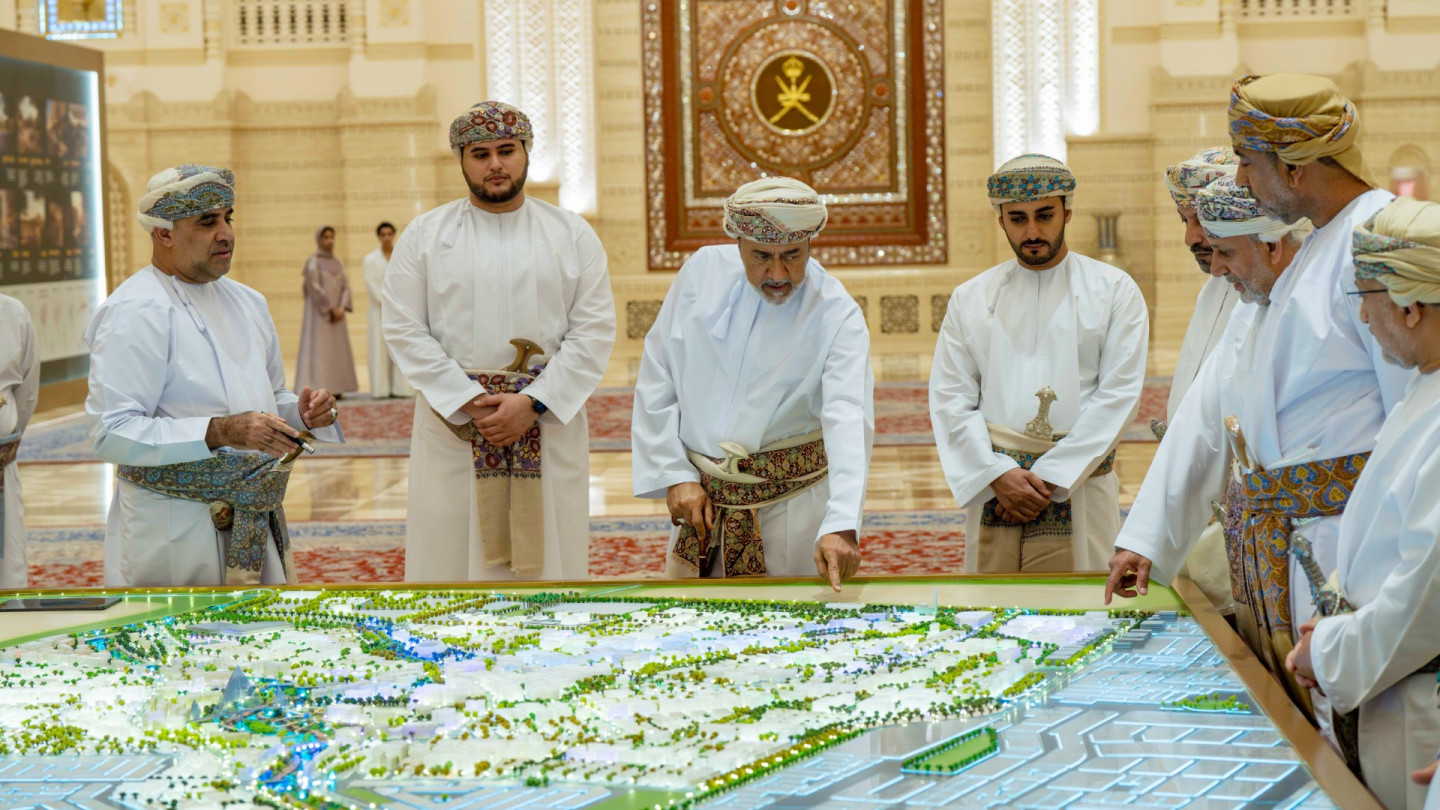
- The proposed Guajolote Ranch development plans to construct approximately 3,000 homes on 1,100 acres north of Grey Forest.
- The project raises significant concerns regarding sustainable water management and environmental protection.
Emphasis on Sustainable Development Goals (SDGs)
SDG 6: Clean Water and Sanitation
The controversy surrounding the wastewater permit highlights critical issues related to SDG 6, which aims to ensure availability and sustainable management of water and sanitation for all. The potential impact of the development on water quality and aquifer protection is a central concern for community groups and local governments.
SDG 11: Sustainable Cities and Communities
The Guajolote Ranch development raises questions about sustainable urban planning and community resilience. The involvement of local authorities and residents reflects the need for inclusive decision-making processes that align with SDG 11’s goal of making cities and human settlements inclusive, safe, resilient, and sustainable.
SDG 15: Life on Land
The development’s location and scale pose risks to local ecosystems and biodiversity, directly relating to SDG 15, which focuses on protecting, restoring, and promoting sustainable use of terrestrial ecosystems. The opposition emphasizes the importance of preserving natural habitats and preventing environmental degradation.
SDG 16: Peace, Justice, and Strong Institutions
The ongoing legal and regulatory challenges underscore the significance of SDG 16, which promotes peaceful and inclusive societies, access to justice, and accountable institutions. The call for local control and transparent regulatory processes reflects the community’s demand for fairness and institutional integrity.
Conclusion
The Guajolote Ranch housing development case exemplifies the complex interplay between urban development and sustainable development goals. The active engagement of community groups, local governments, and state officials highlights the critical need to balance growth with environmental stewardship, public health, and social equity. Continued advocacy and legal action aim to ensure that the project aligns with the SDGs, particularly those related to clean water, sustainable communities, ecosystem protection, and strong governance.
1. Sustainable Development Goals (SDGs) Addressed or Connected
- SDG 6: Clean Water and Sanitation
- The article discusses concerns about wastewater permits and water protection, directly relating to ensuring availability and sustainable management of water.
- SDG 11: Sustainable Cities and Communities
- The housing development project and local government involvement highlight issues of sustainable urban planning and community development.
- SDG 15: Life on Land
- The development on 1,100 acres of land and environmental protection concerns relate to sustainable management of terrestrial ecosystems.
- SDG 16: Peace, Justice and Strong Institutions
- The legal appeals, regulatory processes, and calls for local control reflect governance, justice, and institutional integrity issues.
2. Specific Targets Under Those SDGs Identified
- SDG 6: Clean Water and Sanitation
- Target 6.3: Improve water quality by reducing pollution and minimizing release of hazardous chemicals and materials.
- Target 6.5: Implement integrated water resources management at all levels.
- SDG 11: Sustainable Cities and Communities
- Target 11.3: Enhance inclusive and sustainable urbanization and capacity for participatory planning and management.
- Target 11.6: Reduce the adverse per capita environmental impact of cities, including air quality and waste management.
- SDG 15: Life on Land
- Target 15.1: Ensure conservation, restoration and sustainable use of terrestrial and inland freshwater ecosystems.
- Target 15.5: Take urgent action to reduce degradation of natural habitats.
- SDG 16: Peace, Justice and Strong Institutions
- Target 16.6: Develop effective, accountable and transparent institutions at all levels.
- Target 16.7: Ensure responsive, inclusive, participatory and representative decision-making.
3. Indicators Mentioned or Implied to Measure Progress
- For SDG 6
- Indicator 6.3.1: Proportion of wastewater safely treated – implied by concerns over wastewater permit approval and environmental impact.
- Indicator 6.5.2: Proportion of transboundary basin area with an operational arrangement for water cooperation – implied by local government and alliance involvement.
- For SDG 11
- Indicator 11.3.1: Ratio of land consumption rate to population growth rate – implied by the scale of housing development (3,000 homes on 1,100 acres).
- Indicator 11.6.2: Annual mean levels of fine particulate matter (PM2.5) in cities – indirectly implied through environmental protection concerns.
- For SDG 15
- Indicator 15.1.1: Forest area as a proportion of total land area – implied by the development on natural land.
- Indicator 15.5.1: Red List Index – implied through concerns about habitat degradation.
- For SDG 16
- Indicator 16.6.2: Proportion of the population satisfied with their last experience of public services – implied by public dissatisfaction and appeals.
- Indicator 16.7.2: Proportion of population who believe decision-making is inclusive and responsive – implied by calls for local control and participatory governance.
4. Table of SDGs, Targets, and Indicators
| SDGs | Targets | Indicators |
|---|---|---|
| SDG 6: Clean Water and Sanitation |
|
|
| SDG 11: Sustainable Cities and Communities |
|
|
| SDG 15: Life on Land |
|
|
| SDG 16: Peace, Justice and Strong Institutions |
|
|
Source: ksat.com
What is Your Reaction?
 Like
0
Like
0
 Dislike
0
Dislike
0
 Love
0
Love
0
 Funny
0
Funny
0
 Angry
0
Angry
0
 Sad
0
Sad
0
 Wow
0
Wow
0