The U.S. Farm System Can’t Stand on Its Own Anymore – CounterPunch.org
Report on the Impact of U.S. Agricultural Aid Package and Sustainable Development Goals

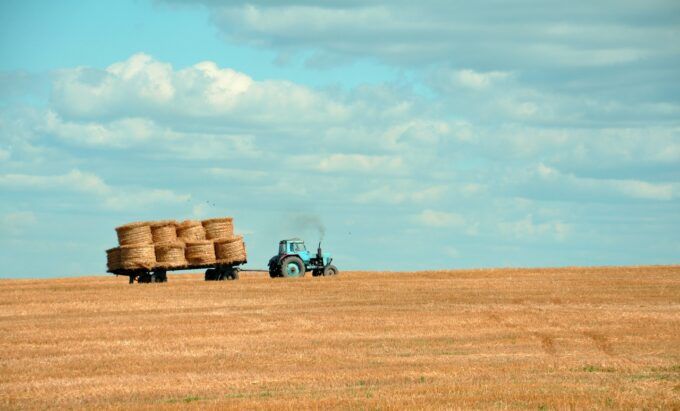
Image by Gozha Net.
Introduction
The recent announcement of a $12 billion aid package by the U.S. government aims to provide relief to farmers affected by strained trade relations with China. However, this financial intervention highlights deeper structural issues within the agricultural sector, which have significant implications for the achievement of the United Nations Sustainable Development Goals (SDGs), particularly those related to poverty alleviation, sustainable agriculture, and economic growth.
Background and Context
Federal Policy and Economic Impact
Federal policies, including the imposition of tariffs, have adversely affected the farm economy, prompting the government to allocate $11 billion of the aid package for one-time payments to farmers. This approach mirrors previous bailouts during earlier trade conflicts with China, where temporary payments became a recurrent necessity, indicating systemic vulnerabilities in the agricultural sector.
Trade Dynamics with China
- China has resumed purchasing U.S. soybeans, including the largest single batch in two years.
- Trade volumes and terms are currently stable, reflecting compliance with existing agreements.
- Despite market stabilization, the U.S. government’s preemptive aid announcement suggests ongoing mistrust in the agricultural market’s resilience.
Structural Challenges in U.S. Agriculture
Tariffs and Market Shifts
The administration’s use of tariffs as a political tool led to retaliatory measures by China, causing buyers to shift to alternative suppliers such as Argentina. This shift has diminished the leverage of American producers and intensified the crisis.
Farmers’ Perspectives and Government Response
- Farmers perceive the bailout as compensation for policy-induced harm.
- Concerns exist regarding government support to competitors through international currency swaps.
- Government payments, while providing short-term relief, fail to address long-term operational losses.
Systemic Vulnerabilities
The reliance on large-scale federal financial interventions reveals a lack of structural resilience in U.S. agriculture. Sustainable development principles emphasize the need for:
- Rebuilding soil health and water security.
- Enhancing local processing and regional market development.
- Supporting small and mid-sized farms to ensure economic viability.
- Mitigating consolidation trends that concentrate land and power among large corporate entities.
Implications for Sustainable Development Goals (SDGs)
SDG 1: No Poverty
The dependence on federal aid to sustain farm incomes reflects ongoing poverty risks within rural farming communities. Sustainable economic policies are required to reduce vulnerability and promote self-sufficiency.
SDG 2: Zero Hunger and Sustainable Agriculture
- Current policies undermine sustainable agricultural practices by prioritizing short-term financial relief over long-term soil and water conservation.
- Supporting small and mid-sized farms aligns with goals to promote sustainable food production systems.
SDG 8: Decent Work and Economic Growth
The agricultural sector’s instability threatens economic growth and employment in rural areas. Strengthening resilience through diversified markets and sustainable practices is essential.
SDG 12: Responsible Consumption and Production
Addressing consolidation and promoting local processing can lead to more responsible production patterns, reducing environmental impact and enhancing food system sustainability.
Distribution of Aid and Future Outlook
- The majority of aid funds are expected to benefit large-scale producers, perpetuating existing inequalities.
- Small farms receive smaller payments that provide temporary relief but insufficient support for long-term viability.
- Consolidation trends are likely to continue, increasing corporate dominance in agriculture.
- Media coverage may highlight individual success stories, overshadowing the broader decline of vulnerable farming operations.
Conclusion
The $12 billion aid package represents an attempt to manage the fallout from policy decisions that have weakened the agricultural sector’s foundational resilience. This approach prioritizes immediate financial stabilization over structural reforms aligned with the Sustainable Development Goals. Without strategic investment in sustainable agricultural practices, soil and water conservation, and equitable support for diverse farm operations, the U.S. farm economy remains vulnerable to future disruptions, threatening rural livelihoods and sustainable development objectives.
1. Sustainable Development Goals (SDGs) Addressed or Connected
-
SDG 2: Zero Hunger
- The article discusses the challenges faced by farmers due to trade conflicts and federal policies, impacting food production and agricultural sustainability.
-
SDG 8: Decent Work and Economic Growth
- The economic instability in the farm sector and reliance on government bailouts affect farmers’ livelihoods and economic growth in rural areas.
-
SDG 12: Responsible Consumption and Production
- The article highlights issues related to agricultural consolidation and the need for sustainable farming practices such as soil health and water security.
-
SDG 15: Life on Land
- References to rebuilding soil capacity and sustainable land management relate to the protection and restoration of terrestrial ecosystems.
-
SDG 16: Peace, Justice and Strong Institutions
- The political decisions and trade disputes causing instability in agriculture reflect governance and institutional challenges.
2. Specific Targets Under Those SDGs Identified
-
SDG 2: Zero Hunger
- Target 2.3: By 2030, double the agricultural productivity and incomes of small-scale food producers.
- Target 2.4: Ensure sustainable food production systems and implement resilient agricultural practices.
-
SDG 8: Decent Work and Economic Growth
- Target 8.3: Promote development-oriented policies that support productive activities and decent job creation.
- Target 8.5: Achieve full and productive employment and decent work for all.
-
SDG 12: Responsible Consumption and Production
- Target 12.2: Achieve sustainable management and efficient use of natural resources.
- Target 12.4: Environmentally sound management of chemicals and waste.
-
SDG 15: Life on Land
- Target 15.3: Combat desertification, restore degraded land and soil.
- Target 15.5: Take urgent action to reduce degradation of natural habitats.
-
SDG 16: Peace, Justice and Strong Institutions
- Target 16.6: Develop effective, accountable and transparent institutions.
- Target 16.7: Ensure responsive, inclusive, participatory and representative decision-making.
3. Indicators Mentioned or Implied to Measure Progress
-
Indicators Related to SDG 2
- Proportion of agricultural area under productive and sustainable agriculture (Indicator 2.4.1).
- Income growth of small-scale food producers (Indicator 2.3.2).
- Farm income growth from government payments as a percentage of total farm income (implied).
-
Indicators Related to SDG 8
- Employment rate in agriculture (Indicator 8.5.2).
- Growth rate of GDP per employed person (Indicator 8.1.1).
- Extent of reliance on government bailouts as a measure of economic stability (implied).
-
Indicators Related to SDG 12
- Material footprint, material footprint per capita (Indicator 12.2.1).
- Percentage of agricultural land using sustainable practices (implied).
-
Indicators Related to SDG 15
- Proportion of land that is degraded over total land area (Indicator 15.3.1).
- Area of forest, agricultural land under sustainable management (implied).
-
Indicators Related to SDG 16
- Proportion of population who believe decision-making is inclusive and responsive (Indicator 16.7.2).
- Existence of policies addressing trade disputes and agricultural support (implied).
4. Table: SDGs, Targets and Indicators
| SDGs | Targets | Indicators |
|---|---|---|
| SDG 2: Zero Hunger |
|
|
| SDG 8: Decent Work and Economic Growth |
|
|
| SDG 12: Responsible Consumption and Production |
|
|
| SDG 15: Life on Land |
|
|
| SDG 16: Peace, Justice and Strong Institutions |
|
|
Source: counterpunch.org
What is Your Reaction?
 Like
0
Like
0
 Dislike
0
Dislike
0
 Love
0
Love
0
 Funny
0
Funny
0
 Angry
0
Angry
0
 Sad
0
Sad
0
 Wow
0
Wow
0