















































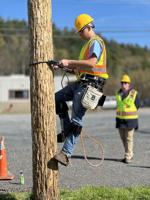


Türkiye now among world’s top four countries in afforestation on path to net zero: Erdogan – TRT World

Report on Türkiye’s Afforestation Efforts and Alignment with Sustainable Development Goals
Executive Summary
The Republic of Türkiye has undertaken significant national afforestation initiatives, reflecting a strong commitment to environmental stewardship and the United Nations Sustainable Development Goals (SDGs). Over a 23-year period, the country has planted 7.5 billion saplings and seeds, substantially increasing its forested land. This report outlines these achievements and their direct contributions to SDG 13 (Climate Action) and SDG 15 (Life on Land), as part of the nation’s “Green Development Revolution” and its 2053 Net Zero Emission target.
Contribution to SDG 15: Life on Land
Türkiye’s afforestation program is a direct and measurable action towards achieving SDG 15, which focuses on protecting, restoring, and promoting the sustainable use of terrestrial ecosystems. The expansion of forest cover is a key indicator of progress in this area.
- Forest Area Expansion: Forested land has been increased to 23.4 million hectares, now constituting 30 percent of the country’s total territory.
- Mass Planting Initiative: The planting of 7.5 billion saplings and seeds demonstrates a large-scale, long-term commitment to ecosystem restoration and halting land degradation.
- Global Leadership in Afforestation: According to United Nations data, Türkiye’s progress is globally significant.
- Ranked sixth globally in 2020 for the expansion of forested land.
- Advanced to fourth place globally by 2025 in forest area expansion.
- Achieved third place globally in terms of annual afforestation area.
Alignment with SDG 13: Climate Action
The national afforestation strategy is a cornerstone of Türkiye’s efforts to take urgent action to combat climate change and its impacts, in line with SDG 13. These nature-based solutions are integral to the country’s long-term climate policy.
- 2053 Net Zero Emission Target: The vast increase in forest cover acts as a critical carbon sink, directly supporting the national goal of achieving net-zero emissions by 2053.
- Green Development Revolution: This national vision frames the afforestation efforts as part of a broader strategy to decouple economic growth from environmental degradation, a core principle of sustainable development and climate action.
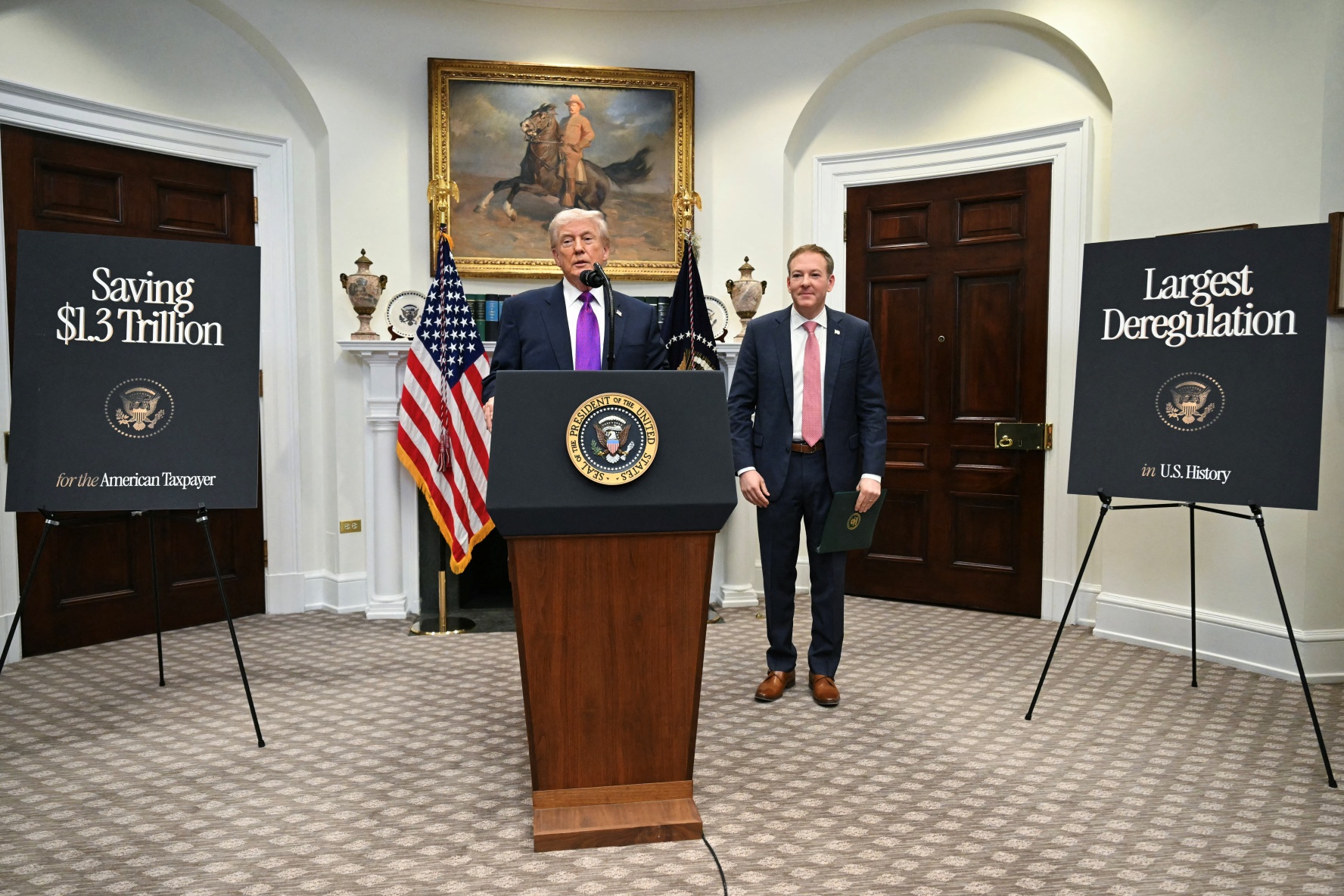
- National Policy and Commitment: Statements made during the National Afforestation Day ceremony underscore the government’s decisive steps and high-level commitment to addressing the climate crisis through tangible environmental projects.
SDGs Addressed in the Article
Based on the article, the following Sustainable Development Goals (SDGs) are addressed:
-
SDG 13: Climate Action
The article directly connects Türkiye’s afforestation efforts to its commitment to “combating the climate crisis.” President Erdogan’s statement about taking “decisive steps towards its 2053 Net Zero Emission target” explicitly links the tree-planting initiative to a broader national strategy for climate change mitigation. Forests act as crucial carbon sinks, and expanding them is a key nature-based solution for climate action.
-
SDG 15: Life on Land
This is the most prominent SDG in the article. The entire focus is on protecting, restoring, and promoting the sustainable use of terrestrial ecosystems. The announcement of planting “7.5 billion saplings and seeds,” increasing “forested areas to 23.4 million hectares,” and achieving a high global rank in expanding forested land directly addresses the core objectives of SDG 15, which aims to sustainably manage forests and halt land degradation.
Specific SDG Targets Identified
The article’s content points to the following specific SDG targets:
-
Target 13.2: Integrate climate change measures into national policies, strategies and planning.
The article highlights Türkiye’s national-level commitments, such as the “2053 Net Zero Emission target” and the “Green Development Revolution” vision. These are clear examples of integrating climate change considerations into long-term national planning and policy, which is the essence of this target. The afforestation program is presented as a tangible action supporting these strategic goals.
-
Target 15.2: By 2020, promote the implementation of sustainable management of all types of forests, halt deforestation, restore degraded forests and substantially increase afforestation and reforestation globally.
Although the target’s deadline was 2020, the actions described in the article are a direct implementation of its goals. The planting of “7.5 billion saplings” and the increase of forested land to “30 percent of its territory” are concrete examples of substantially increasing afforestation and restoring forest ecosystems on a national scale.
Indicators for Measuring Progress
The article mentions or implies several indicators that can be used to measure progress towards the identified targets:
-
Indicators for Target 13.2
While no specific quantitative indicator from the official SDG framework is mentioned, the article implies progress through the existence of national policies. The “2053 Net Zero Emission target” and the “Green Development Revolution” serve as qualitative indicators that climate change measures have been integrated into national strategy.
-
Indicators for Target 15.2 (and related Target 15.1)
The article provides several specific, quantitative indicators that align with the official SDG indicators for measuring forest management and area.
- Forest area as a proportion of total land area (Indicator 15.1.1): The article explicitly states that forested areas have increased to “23.4 million hectares, now covering 30 percent of its territory.” This is a direct measurement of this indicator.
- Progress towards sustainable forest management (Indicator 15.2.1): The article provides multiple data points that demonstrate progress:
- The total number of “7.5 billion saplings and seeds” planted over 23 years.
- The country’s global ranking in expanding forested land, which climbed from “sixth globally in 2020” to “fourth place by 2025.”
- The country’s global ranking in “annual afforestation area,” where it has “moved up to third place.”
Summary Table of SDGs, Targets, and Indicators
| SDGs | Targets | Indicators |
|---|---|---|
| SDG 13: Climate Action | 13.2: Integrate climate change measures into national policies, strategies and planning. |
|
| SDG 15: Life on Land | 15.2: Promote the implementation of sustainable management of all types of forests… and substantially increase afforestation and reforestation globally. |
|
Source: trtworld.com
What is Your Reaction?
 Like
0
Like
0
 Dislike
0
Dislike
0
 Love
0
Love
0
 Funny
0
Funny
0
 Angry
0
Angry
0
 Sad
0
Sad
0
 Wow
0
Wow
0