





































;Resize=620#)









West Bank: Israel Emptying Refugee Camps a Crime Against Humanity – Human Rights Watch
Report on Forced Displacement in the West Bank and Implications for Sustainable Development Goals
Executive Summary
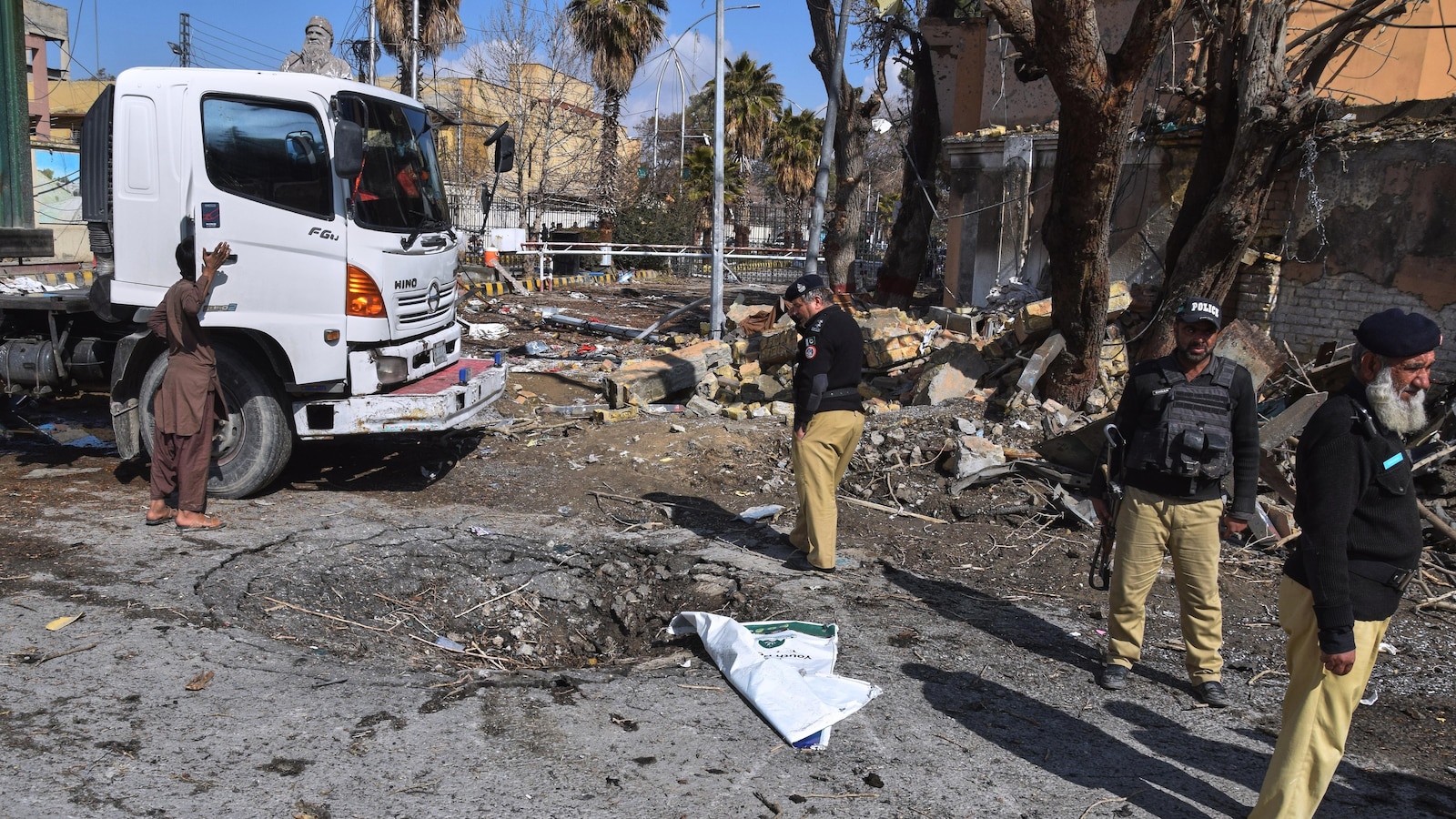
In January and February 2025, military operations conducted by the Israeli government resulted in the forced displacement of approximately 32,000 individuals from the Jenin, Tulkarem, and Nur Shams refugee camps in the West Bank. These actions, which included the widespread demolition of homes and infrastructure, have been classified as potential war crimes and crimes against humanity. This report analyzes these events through the framework of the United Nations Sustainable Development Goals (SDGs), highlighting significant regressions in key areas, particularly those concerning poverty, health, inequality, sustainable communities, and justice.
Impact on Sustainable Development Goals (SDGs)
The forced displacement and subsequent actions have had a direct and severe negative impact on the achievement of several SDGs for the affected Palestinian population.
-
SDG 11: Sustainable Cities and Communities
- The displacement of 32,000 people and the destruction of over 850 homes and buildings directly contravene Target 11.1, which aims to ensure access for all to adequate, safe, and affordable housing.
- The military operations have rendered established communities uninhabitable, fundamentally undermining the goal of making human settlements inclusive, safe, resilient, and sustainable.
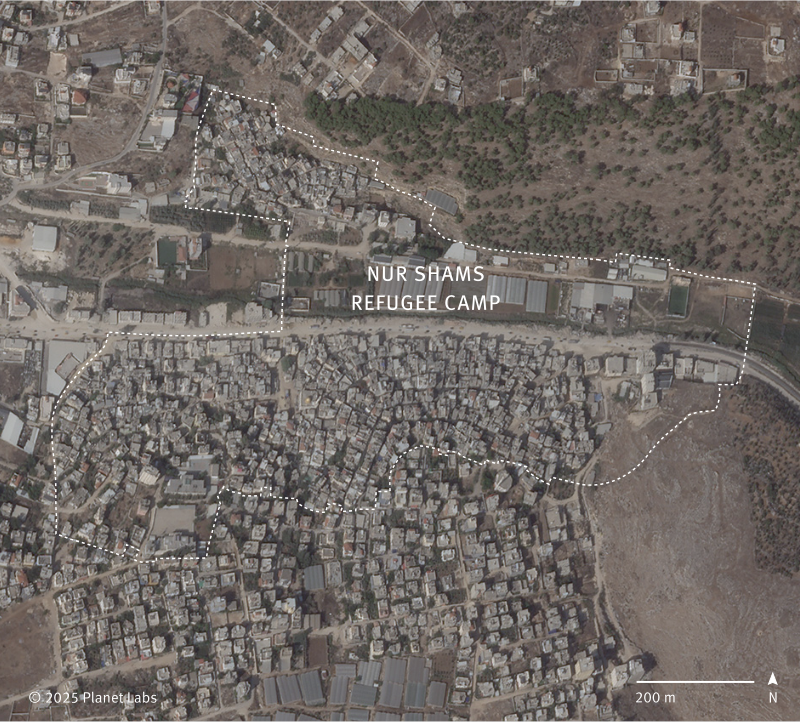
- Satellite imagery confirms widespread destruction, including the razing of residential areas to widen access routes, preventing the possibility of safe return and community reconstruction.
-
SDG 16: Peace, Justice and Strong Institutions
- The actions, conducted in violation of international humanitarian law, including the Fourth Geneva Convention, represent a profound failure to uphold peace and justice (Target 16.1 and 16.3).
- The prohibition of civilians returning to their homes, even in the absence of active hostilities, undermines the principles of the rule of law and access to justice for displaced populations.
- Calls for investigation and prosecution of senior officials for war crimes and crimes against humanity underscore the urgent need to strengthen institutions capable of ensuring accountability (Target 16.A).
-
SDG 1 (No Poverty) & SDG 10 (Reduced Inequalities)
- The loss of homes, property, and livelihoods has thrust thousands of individuals into acute poverty, directly setting back progress on SDG 1.
- The actions constitute a form of ethnic cleansing and are part of broader policies of apartheid and persecution, exacerbating systemic inequalities and contravening the core principles of SDG 10.
- The failure to provide humanitarian assistance or shelter for the displaced population further deepens their economic and social vulnerability.
-
SDG 3: Good Health and Well-being
- Forced displacement into crowded and inadequate temporary shelters, such as mosques and schools, creates significant risks to physical and mental health, undermining progress on SDG 3.
- The trauma associated with violent expulsion from homes and the destruction of communities has long-term consequences for the well-being of all affected individuals, particularly children.
Violations of International Law and Contradiction of SDG Principles
Legal Framework
The operations contravene established international legal norms which are foundational to achieving global peace and justice as envisioned in SDG 16.
- Fourth Geneva Convention: Article 49 prohibits the displacement of civilians from occupied territory unless required temporarily for imperative military reasons or the population’s security. The permanent nature of the displacement and destruction violates this principle.
- War Crimes and Crimes Against Humanity: The systematic and widespread nature of the forced removal of a civilian population and the destruction of their property have been identified as amounting to war crimes and crimes against humanity.
Recommendations for Upholding SDGs and International Law
To mitigate the damage to the SDG framework and uphold international justice, the following actions are recommended:
- Investigation and Accountability: The International Criminal Court (ICC) and domestic judicial authorities should investigate senior Israeli officials, including the Prime Minister and Defense Minister, for their role in these operations, in line with SDG 16’s emphasis on justice and accountability.
- International Sanctions: Governments should impose targeted sanctions on officials implicated in grave abuses and suspend preferential trade agreements to pressure for an end to repressive policies that undermine sustainable development.
- Right of Return: Immediate action must be taken to ensure the safe and dignified return of all displaced persons to their homes and lands, a critical step for restoring communities (SDG 11) and reducing inequality (SDG 10).
Analysis of Sustainable Development Goals in the Provided Article
1. Which SDGs are addressed or connected to the issues highlighted in the article?
The article highlights several issues like forced displacement, destruction of property, violence, and the denial of justice, which directly connect to multiple Sustainable Development Goals (SDGs). The following SDGs are most relevant:
- SDG 1: No Poverty: The forced displacement and destruction of homes and property plunge the affected population of 32,000 people into extreme vulnerability and poverty, stripping them of their assets and livelihoods.
- SDG 10: Reduced Inequalities: The article describes the “unlawful removal of one ethnic or religious group from an area by another,” specifically targeting Palestinians. This constitutes a severe form of inequality and discrimination, directly undermining the goal of reducing inequalities within and among countries.
- SDG 11: Sustainable Cities and Communities: The core of the article discusses the destruction of homes and communities within three refugee camps. The demolition of over 850 homes and damage to 1,460 buildings makes settlements unsafe, unsustainable, and violates the right to adequate housing.
- SDG 16: Peace, Justice and Strong Institutions: This is the most central SDG addressed. The article details actions described as “war crimes” and “crimes against humanity,” points to a breakdown of the rule of law, and explicitly calls for justice and accountability through investigations and prosecutions by bodies like the International Criminal Court (ICC). It highlights the absence of peace and the failure of institutions to protect civilians.
2. What specific targets under those SDGs can be identified based on the article’s content?
Based on the issues discussed, several specific SDG targets are directly relevant:
- Target 1.5: By 2030, build the resilience of the poor and those in vulnerable situations and reduce their exposure and vulnerability to conflict-related shocks and disasters.
- Explanation: The article describes how 32,000 people were forcibly removed from their homes, losing their property and security. This action directly increases their vulnerability to social and economic shocks, which is the opposite of the resilience-building goal of this target.
- Target 10.3: Ensure equal opportunity and reduce inequalities of outcome, including by eliminating discriminatory laws, policies and practices and promoting appropriate legislation, policies and action in this regard.
- Explanation: The article describes the forced displacement as “ethnic cleansing,” a policy targeting a specific group (Palestinians). This is a clear example of a discriminatory practice that creates severe inequalities of outcome, directly contravening this target.
- Target 11.1: By 2030, ensure access for all to adequate, safe and affordable housing and basic services and upgrade slums.
- Explanation: The military operation resulted in the deliberate demolition of homes. The article states, “more than 850 homes and other buildings had been destroyed or heavily damaged.” This action denies the affected population access to adequate and safe housing, directly undermining this target.
- Target 16.1: Significantly reduce all forms of violence and related death rates everywhere.
- Explanation: The article details a military operation involving “Apache helicopters, drones, bulldozers, and armored vehicles” and notes that since October 2023, Israeli forces have “killed nearly 1,000 Palestinians in the West Bank.” This represents a failure to reduce violence and related death rates.
- Target 16.3: Promote the rule of law at the national and international levels and ensure equal access to justice for all.
- Explanation: The article repeatedly calls for senior Israeli officials to be “investigated” and “prosecuted for war crimes and crimes against humanity.” This call for accountability through international legal mechanisms like the ICC highlights a lack of access to justice and a failure to uphold the rule of law for the victims.
3. Are there any indicators mentioned or implied in the article that can be used to measure progress towards the identified targets?
Yes, the article provides several quantitative and qualitative indicators that can be used to measure the lack of progress towards the identified targets.
- Indicator for Target 11.1: The proportion of the urban population living in slums, informal settlements or inadequate housing.
- Data from the article: The article provides specific numbers that serve as direct measures of housing destruction: “more than 850 homes and other buildings had been destroyed or heavily damaged” and a UN assessment found “1,460 buildings sustained damage.” The number of displaced persons without adequate shelter (32,000) is also a key metric.
- Indicator for Target 16.1: Number of victims of intentional homicide per 100,000 population, by sex and age (Proxy: conflict-related deaths) and proportion of population subjected to physical, psychological or sexual violence in the previous 12 months.
- Data from the article: The article states that Israeli forces have “killed nearly 1,000 Palestinians in the West Bank” since October 7, 2023. It also reports the forced displacement of “32,000 people,” which is a form of violence and creates immense psychological distress.
- Indicator for Target 16.3: Proportion of victims of violence in the previous 12 months who reported their victimization to competent authorities or other officially recognized conflict resolution mechanisms.
- Data from the article: The article implies this indicator is at or near zero. The call for the International Criminal Court and other governments to “investigate Israeli officials” and “enforce ICC arrest warrants” suggests that domestic channels for justice are non-existent or inaccessible for the victims, forcing the appeal to international bodies.
4. Table of SDGs, Targets, and Indicators
| SDGs | Targets | Indicators Identified in the Article |
|---|---|---|
| SDG 1: No Poverty | 1.5: Build resilience of the poor and reduce their vulnerability to shocks and disasters. | Number of people forcibly displaced and made vulnerable (32,000). |
| SDG 10: Reduced Inequalities | 10.3: Ensure equal opportunity and reduce inequalities of outcome, including by eliminating discriminatory policies. | The implementation of a policy of “ethnic cleansing” targeting a specific population (Palestinians). |
| SDG 11: Sustainable Cities and Communities | 11.1: Ensure access for all to adequate, safe and affordable housing. | Number of homes and buildings destroyed or damaged (over 850 destroyed/heavily damaged; 1,460 sustained damage). |
| SDG 16: Peace, Justice and Strong Institutions | 16.1: Significantly reduce all forms of violence and related death rates. | Number of conflict-related deaths (nearly 1,000); Number of people subjected to forced displacement (32,000). |
| SDG 16: Peace, Justice and Strong Institutions | 16.3: Promote the rule of law and ensure equal access to justice. | Number of officials investigated or prosecuted for alleged war crimes (Implicitly zero, as the article calls for this to happen). |
Source: hrw.org
What is Your Reaction?
 Like
0
Like
0
 Dislike
0
Dislike
0
 Love
0
Love
0
 Funny
0
Funny
0
 Angry
0
Angry
0
 Sad
0
Sad
0
 Wow
0
Wow
0