











































Cholera resurgence in Haiti sparks alarm amid worsening health system, report says – WUSF

Report on the Resurgence of Cholera in Haiti and its Implications for Sustainable Development Goals
Executive Summary
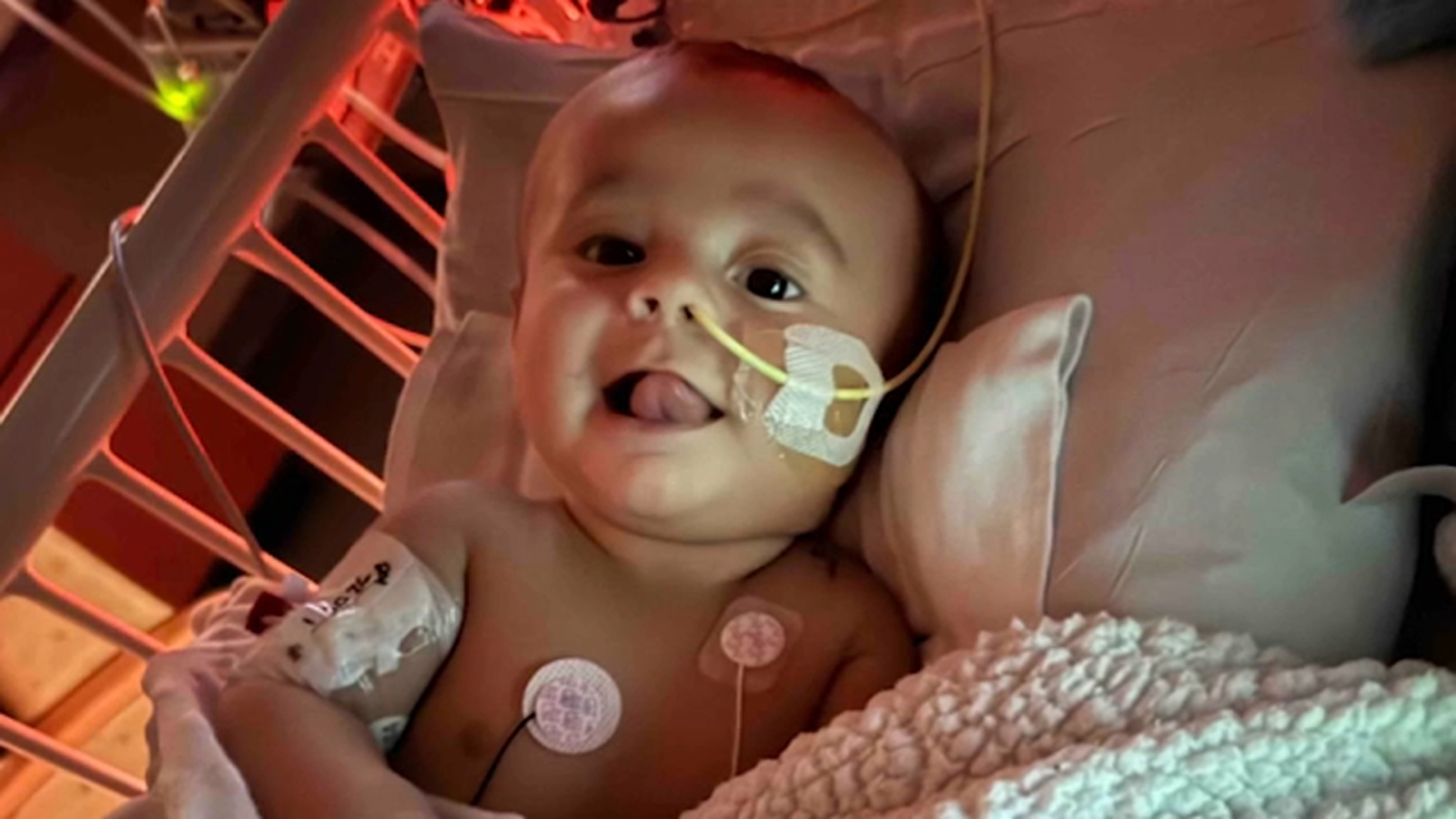
A renewed cholera outbreak in Haiti, driven by the seasonal rains, is exacerbating an ongoing humanitarian crisis. The resurgence highlights critical failures in basic infrastructure and security, representing a significant setback for the achievement of multiple Sustainable Development Goals (SDGs). This report analyzes the outbreak’s connection to deficiencies in public health (SDG 3), clean water and sanitation (SDG 6), urban sustainability (SDG 11), and peace and justice (SDG 16).
Public Health Crisis and Setbacks to SDG 3: Good Health and Well-being
The outbreak poses a direct threat to public health, undermining progress towards SDG 3, particularly Target 3.3, which aims to end epidemics of water-borne diseases. The health infrastructure’s collapse severely limits the capacity to respond, compromising Target 3.8 on universal health coverage.
- Outbreak Statistics (Jan. 1 – Oct. 30):
- Suspected Cases: 2,852
- Confirmed Cases: 186
- Deaths: 48
- Vulnerable Populations: Over one-third of suspected cases are in children under the age of nine.
- Healthcare System Collapse: Only 11% of health facilities with inpatient capacity in Port-au-Prince remain fully operational, severely restricting access to medical care for those affected.
Critical Deficiencies in Water and Sanitation: Failure to Meet SDG 6
The root cause of the cholera resurgence is the systemic failure to provide access to clean water and sanitation, a core objective of SDG 6. The current state of Haiti’s infrastructure is in direct opposition to the goals of achieving universal and equitable access to safe water (Target 6.1) and sanitation (Target 6.2).
- Lack of Basic Services: According to the UN, 70% of Haitian households lack access to an improved sanitation system.
- Inadequate Hygiene Facilities: Only 25% of households have access to adequate handwashing facilities.
- Environmental Hazards: Stagnant water, broken sewage lines, and uncollected trash create ideal breeding grounds for the cholera bacterium, especially during the rainy season.
Compounding Factors: Insecurity, Displacement, and Urban Collapse (SDG 11 & SDG 16)
Extreme insecurity caused by criminal groups exacerbates the public health crisis, directly challenging SDG 16 (Peace, Justice and Strong Institutions) and SDG 11 (Sustainable Cities and Communities).
- Erosion of Security (SDG 16): Criminal groups control key areas, blocking roads, restricting humanitarian access, and isolating vulnerable communities from essential services.
- Mass Displacement: Violence has displaced over 1.4 million people in the current year, forcing them into overcrowded informal settlements.
- Failure of Urban Sustainability (SDG 11): These settlements lack any access to clean water or sanitation, placing residents at extreme risk of infection and demonstrating a failure to provide adequate and safe housing (Target 11.1).
Recommendations and International Dimensions (SDG 10 & SDG 17)
Addressing the crisis requires a concerted effort from national authorities and international partners, aligning with SDG 17 (Partnerships for the Goals). However, current international policies, such as mass deportations, are worsening the situation and contravening SDG 10 (Reduced Inequalities).
- Urgent Government and International Actions Required:
- Repair the national water and sewage network to address the root cause of the outbreak (SDG 6).
- Guarantee safe and unimpeded humanitarian access to all high-risk areas (SDG 16).
- Restore the operational capacity of public health institutions to manage the outbreak and provide care (SDG 3).
- Critique of International Policy:
- Over 225,000 individuals were deported to Haiti between January and October from various countries.
- Human Rights Watch argues that such returns endanger lives by forcing people into a nation facing overlapping humanitarian, security, and public health crises, thereby increasing inequality (SDG 10).
Analysis of Sustainable Development Goals in the Article
1. Which SDGs are addressed or connected to the issues highlighted in the article?
- SDG 3: Good Health and Well-being: The article’s central theme is the cholera outbreak in Haiti. It details the number of suspected and confirmed cases, deaths, and the near-collapse of the health infrastructure, directly addressing the goal of ensuring healthy lives and promoting well-being. The particular vulnerability of children under 9 is also highlighted.
- SDG 6: Clean Water and Sanitation: The article explicitly identifies the lack of clean water and sanitation as the root cause of the cholera resurgence. It cites specific UN data that “only 25 percent of Haitian households have access to adequate handwashing facilities, and 70 percent lack access to an improved sanitation system.” The mention of “decaying water and sanitation systems” and “broken sewage lines” further solidifies this connection.
- SDG 10: Reduced Inequalities: The article underscores how the crisis disproportionately affects the most vulnerable. Residents in gang-controlled areas like Cité Soleil cannot access or afford healthcare, unlike those in more affluent neighborhoods. The plight of over 1.4 million displaced people living in informal settlements without basic services also points to severe inequalities.
- SDG 11: Sustainable Cities and Communities: The article describes the living conditions of a large displaced population forced into “overcrowded informal settlements with virtually no access to clean water or sanitation.” This directly relates to the goal of making human settlements inclusive, safe, resilient, and sustainable. The breakdown of basic urban infrastructure like water and sewage networks is a key issue.
- SDG 16: Peace, Justice, and Strong Institutions: The article details how “extreme insecurity” and the expansion of control by criminal groups exacerbate the health crisis by blocking roads and restricting humanitarian access. The failure of public health institutions, with only 11% of facilities fully operational, points to a breakdown of effective governance. The criticism of mass deportations to a country in crisis also touches on the justice and human rights aspects of this goal.
2. What specific targets under those SDGs can be identified based on the article’s content?
-
Under SDG 3 (Good Health and Well-being):
- Target 3.3: By 2030, end the epidemics of AIDS, tuberculosis, malaria and neglected tropical diseases and combat hepatitis, water-borne diseases and other communicable diseases. The article’s focus on the “renewed surge of cholera,” a water-borne disease, directly relates to this target.
- Target 3.d: Strengthen the capacity of all countries, in particular developing countries, for early warning, risk reduction and management of national and global health risks. The resurgence of cholera following an 11-week period with no new cases indicates a failure in managing public health risks and preventing new outbreaks.
-
Under SDG 6 (Clean Water and Sanitation):
- Target 6.1: By 2030, achieve universal and equitable access to safe and affordable drinking water for all. The article states that the crisis is driven by people lacking “access to the most basic services: clean water.”
- Target 6.2: By 2030, achieve access to adequate and equitable sanitation and hygiene for all and end open defecation, paying special attention to the needs of women and girls and those in vulnerable situations. The report that 70% of the population lacks improved sanitation and only 25% have handwashing facilities directly corresponds to this target.
-
Under SDG 11 (Sustainable Cities and Communities):
- Target 11.1: By 2030, ensure access for all to adequate, safe and affordable housing and basic services and upgrade slums. The description of over 1.4 million displaced people living in “overcrowded informal settlements with virtually no access to clean water or sanitation” highlights the relevance of this target.
-
Under SDG 16 (Peace, Justice, and Strong Institutions):
- Target 16.1: Significantly reduce all forms of violence and related death rates everywhere. The article points to “extreme insecurity,” “violence,” and the expansion of control by “criminal groups” as major factors worsening the crisis.
- Target 16.6: Develop effective, accountable and transparent institutions at all levels. The article’s description of a “health infrastructure nears collapse,” decaying water systems, and the inability to provide basic services points to a failure of public institutions.
3. Are there any indicators mentioned or implied in the article that can be used to measure progress towards the identified targets?
Yes, the article provides several quantitative and qualitative indicators that can be used to measure the situation:
-
Health Indicators (SDG 3):
- Number of suspected cholera cases: 2,852
- Number of confirmed cholera cases: 186
- Number of deaths from cholera: 48
- Proportion of suspected cases in children under 9: Over one-third
- Proportion of health facilities with inpatient capacity that remain fully operational: 11%
-
Water and Sanitation Indicators (SDG 6):
- Proportion of households with access to adequate handwashing facilities: 25%
- Proportion of the population lacking access to an improved sanitation system: 70%
-
Vulnerability and Displacement Indicators (SDG 11 & 16):
- Number of people displaced by violence: Over 1.4 million
- Number of people deported to Haiti: More than 225,000
4. Create a table with three columns titled ‘SDGs, Targets and Indicators” to present the findings from analyzing the article. In this table, list the Sustainable Development Goals (SDGs), their corresponding targets, and the specific indicators identified in the article.
| SDGs | Targets | Indicators |
|---|---|---|
| SDG 3: Good Health and Well-being | 3.3: End epidemics of water-borne diseases. | 2,852 suspected cholera cases; 186 confirmed cases; 48 deaths. |
| SDG 3: Good Health and Well-being | 3.d: Strengthen capacity for management of health risks. | Only 11% of health facilities in the capital are fully operational. |
| SDG 6: Clean Water and Sanitation | 6.1: Achieve universal access to safe drinking water. | Widespread lack of access to clean water is cited as a primary cause of the outbreak. |
| SDG 6: Clean Water and Sanitation | 6.2: Achieve access to adequate sanitation and hygiene. | 70% of the population lacks access to an improved sanitation system; only 25% of households have adequate handwashing facilities. |
| SDG 11: Sustainable Cities and Communities | 11.1: Ensure access to adequate housing and basic services. | Over 1.4 million displaced people are in informal settlements with no access to clean water or sanitation. |
| SDG 16: Peace, Justice, and Strong Institutions | 16.1: Reduce all forms of violence. | Extreme insecurity and violence from criminal groups are displacing people and blocking humanitarian aid. |
| SDG 16: Peace, Justice, and Strong Institutions | 16.6: Develop effective, accountable institutions. | The health infrastructure is near collapse, and water/sewage networks are decaying, indicating institutional failure. |
Source: wusf.org
What is Your Reaction?
 Like
0
Like
0
 Dislike
0
Dislike
0
 Love
0
Love
0
 Funny
0
Funny
0
 Angry
0
Angry
0
 Sad
0
Sad
0
 Wow
0
Wow
0