
















Dry January: The California Sobering Truth – Medscape
Report on the Impact of Marijuana on Alcohol Consumption and Public Health: Emphasizing Sustainable Development Goals (SDGs)
Introduction
This report examines recent medical research on the relationship between marijuana (cannabis) use and alcohol consumption, highlighting implications for public health and the Sustainable Development Goals (SDGs). The analysis is based on a series of studies discussed by Dr. F. Perry Wilson from Yale School of Medicine, focusing on the potential substitution effects of tetrahydrocannabinol (THC) for alcohol and the broader societal impacts.
Context and Relevance to SDGs
The increasing legalization and accessibility of marijuana in the United States and Canada present new challenges and opportunities for public health, directly relating to the following SDGs:
- SDG 3: Good Health and Well-being – Reducing harmful substance use and promoting mental health.
- SDG 10: Reduced Inequalities – Addressing disparities in substance abuse treatment and outcomes.
- SDG 16: Peace, Justice, and Strong Institutions – Managing drug policy and reducing substance-related violence and accidents.
Marijuana Legalization and Usage Trends
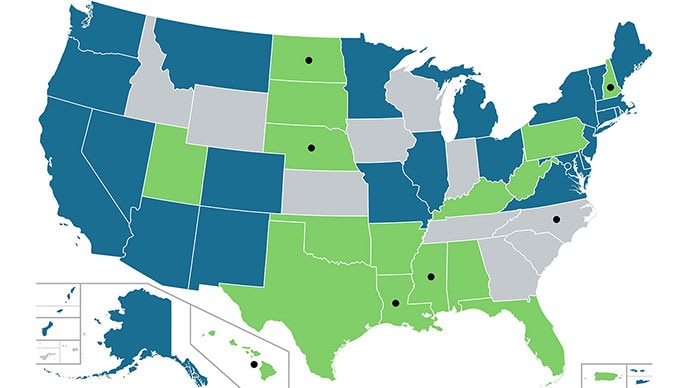
- Marijuana is legal for medical use in 40 states, three territories, and the District of Columbia, and for recreational use in 24 states.
- Federal classification currently lists marijuana as a Schedule I controlled substance, but reclassification efforts could lower this to Schedule III, increasing access.
- THC-containing products are becoming more mainstream, influencing patterns of substance use.
Comparative Safety of Alcohol and Marijuana
- Alcohol: Safety ratio approximately 10:1 (effective dose to lethal dose). Annually, about 1,600 deaths from overdose and 180,000 deaths including alcohol-related diseases occur in the U.S.
- Marijuana: Estimated safety ratio around 1000:1 with very few reported deaths from acute intoxication. Social harms such as assaults and suicides are less commonly associated compared to alcohol.
From a public health perspective, substituting marijuana for alcohol could reduce mortality and morbidity, aligning with SDG 3 targets to reduce premature mortality from non-communicable diseases and substance abuse.
Research Findings on Marijuana as a Substitute for Alcohol
- Randomized Controlled Trial: Participants exposed to higher THC doses consumed approximately one fewer alcoholic drink over a two-hour session, suggesting potential substitution effects.
- Canadian Harm Reduction Program: Introduction of marijuana as an alternative to alcohol in controlled settings reduced average daily alcohol consumption from eight to six and a half drinks.
- Contrasting Observational Studies: Some studies indicate marijuana use during alcohol treatment reduces abstinence days, and population-level analyses show slight increases in alcohol consumption following marijuana legalization.
Risks of Simultaneous Use
- Simultaneous alcohol and marijuana use (SAM) increases THC blood plasma levels, doubling risks of drunk driving, self-harm, and use of additional intoxicants.
- This combination exacerbates public safety concerns, relevant to SDG 16’s focus on reducing violence and accidents.
Influence of Usage Timing and Intent
- Marijuana use prior to alcohol consumption is associated with decreased alcohol intake, whereas marijuana use after alcohol increases consumption.
- Intentional substitution of THC for alcohol leads to significant reductions in alcohol use, as evidenced by a Canadian survey where users reduced drinking days from 20 to 7 per month when aiming to cut alcohol intake.
Implications for Public Health and SDGs
- Marijuana availability offers a harm reduction option for individuals seeking to reduce alcohol consumption, supporting SDG 3 by potentially lowering alcohol-related health burdens.
- Policy frameworks should consider the nuanced effects of marijuana legalization on alcohol use to optimize health outcomes and reduce inequalities (SDG 10).
- Education and intervention programs must address risks of simultaneous use to enhance community safety and well-being (SDG 16).
Conclusions
The relationship between marijuana and alcohol consumption is complex and influenced by factors such as user intent and timing of use. While marijuana presents a safer alternative to alcohol with potential for reducing alcohol-related harm, simultaneous use poses significant risks. Effective public health strategies should integrate these findings to advance the Sustainable Development Goals, particularly those targeting health, inequality, and safety.
Next Steps
- Further research to clarify long-term impacts of marijuana legalization on alcohol consumption patterns.
- Development of targeted harm reduction programs incorporating marijuana as an alternative to alcohol.
- Public education campaigns emphasizing the risks of simultaneous substance use.
1. Sustainable Development Goals (SDGs) Addressed or Connected to the Issues Highlighted in the Article
-
SDG 3: Good Health and Well-being
- The article discusses alcohol and marijuana use, their health impacts, and public health implications.
- Focus on reducing harmful substance use and improving mental health.
-
SDG 12: Responsible Consumption and Production
- Issues related to substance use patterns and harm reduction strategies.
- Encouraging safer consumption practices (e.g., substituting THC for alcohol).
-
SDG 16: Peace, Justice, and Strong Institutions
- Addressing social effects such as assaults, abuse, and self-harm linked to alcohol and drug use.
- Implications for public safety and legal frameworks around drug scheduling and legalization.
2. Specific Targets Under Those SDGs Identified Based on the Article’s Content
-
Under SDG 3: Good Health and Well-being
- Target 3.5: Strengthen the prevention and treatment of substance abuse, including narcotic drug abuse and harmful use of alcohol.
- Target 3.4: Reduce premature mortality from non-communicable diseases through prevention and treatment, and promote mental health and well-being.
-
Under SDG 12: Responsible Consumption and Production
- Target 12.4: Achieve the environmentally sound management of chemicals and all wastes throughout their life cycle to minimize adverse impacts on human health and the environment.
- Target 12.8: Ensure that people have relevant information and awareness for sustainable development and lifestyles in harmony with nature.
-
Under SDG 16: Peace, Justice, and Strong Institutions
- Target 16.1: Significantly reduce all forms of violence and related death rates everywhere.
- Target 16.6: Develop effective, accountable, and transparent institutions at all levels (related to drug regulation and public health policies).
3. Indicators Mentioned or Implied in the Article to Measure Progress Towards the Identified Targets
-
Indicators Related to SDG 3 Targets
- Alcohol-related mortality rates (e.g., 180,000 deaths annually in the US due to alcohol).
- Number of deaths from alcohol overdose and alcohol-related diseases such as cirrhosis.
- Prevalence of alcohol and marijuana use in populations.
- Effectiveness of interventions such as alcohol-reduction programs and substitution with THC.
- Incidence of alcohol and drug-related accidents and self-harm.
-
Indicators Related to SDG 12 Targets
- Rates of responsible consumption patterns (e.g., reduction in alcohol intake when substituting with THC).
- Availability and access to safer alternatives (e.g., legal status and accessibility of marijuana).
- Public awareness and education levels regarding substance use harms and harm reduction strategies.
-
Indicators Related to SDG 16 Targets
- Rates of violence, assaults, and abuse linked to alcohol and drug use.
- Incidence of drunk driving and accidents involving simultaneous use of alcohol and THC.
- Legal and institutional changes in drug scheduling and regulation.
4. Table of SDGs, Targets, and Indicators
| SDGs | Targets | Indicators |
|---|---|---|
| SDG 3: Good Health and Well-being |
|
|
| SDG 12: Responsible Consumption and Production |
|
|
| SDG 16: Peace, Justice, and Strong Institutions |
|
|
Source: medscape.com
What is Your Reaction?
 Like
0
Like
0
 Dislike
0
Dislike
0
 Love
0
Love
0
 Funny
0
Funny
0
 Angry
0
Angry
0
 Sad
0
Sad
0
 Wow
0
Wow
0