








































Qatar Joins Saudi Arabia In Boosting Cross-Border Tourism, Promoting Sustainable Travel, And Expanding Economic Diversification Across The Gulf – Travel And Tour World
Report on the Qatar-Saudi Arabia Tourism Partnership and its Alignment with Sustainable Development Goals
1.0 Introduction: A Strategic Alliance for Sustainable Regional Growth
Qatar and Saudi Arabia have formalized a strategic partnership through a Memorandum of Understanding (MoU) aimed at enhancing cross-border tourism. This report analyzes the collaboration’s objectives, strategic pillars, and its significant alignment with the United Nations’ 2030 Agenda for Sustainable Development. The initiative is designed to foster regional economic growth, promote cultural exchange, and position the Gulf as a premier global destination for sustainable travel, directly contributing to several Sustainable Development Goals (SDGs).
2.0 Core Objectives and Contribution to the SDGs
The MoU outlines several key objectives that are intrinsically linked to the Sustainable Development Goals. The partnership serves as a prime example of SDG 17 (Partnerships for the Goals), leveraging bilateral cooperation to achieve shared development targets.
- Economic Diversification and Growth: By reducing reliance on oil revenues, the partnership directly supports SDG 8 (Decent Work and Economic Growth). The goal is to expand the tourism industry’s contribution to the national GDP of both nations, creating new jobs and fostering sustainable economic models.
- Sustainable Tourism Practices: A central tenet of the agreement is the promotion of tourism that is environmentally conscious and culturally sensitive, aligning with SDG 12 (Responsible Consumption and Production). This includes developing eco-friendly travel solutions and preserving natural landscapes.
- Cultural Heritage Preservation: The focus on cultural and heritage tourism contributes to SDG 11 (Sustainable Cities and Communities), specifically Target 11.4, which calls for strengthening efforts to protect and safeguard the world’s cultural and natural heritage.
- Regional Integration: The collaboration aims to create seamless travel experiences across the two nations, promoting regional stability and cooperation, which is a foundational aspect of achieving global sustainability goals.
3.0 Strategic Pillars of the Collaboration
The partnership is built on several strategic pillars designed to achieve its objectives in line with global sustainability standards.
-
Joint Marketing and Promotion
Coordinated marketing campaigns will be developed to enhance the global visibility of the Gulf region. These initiatives will highlight the unique cultural and natural attractions of both countries, promoting a unified tourism product that appeals to international markets. This strategy supports SDG 8 by attracting investment and international visitors, thereby stimulating economic activity.
-
Development of Specialized Tourism Sectors
The MoU targets the growth of specific tourism niches that advance sustainability.
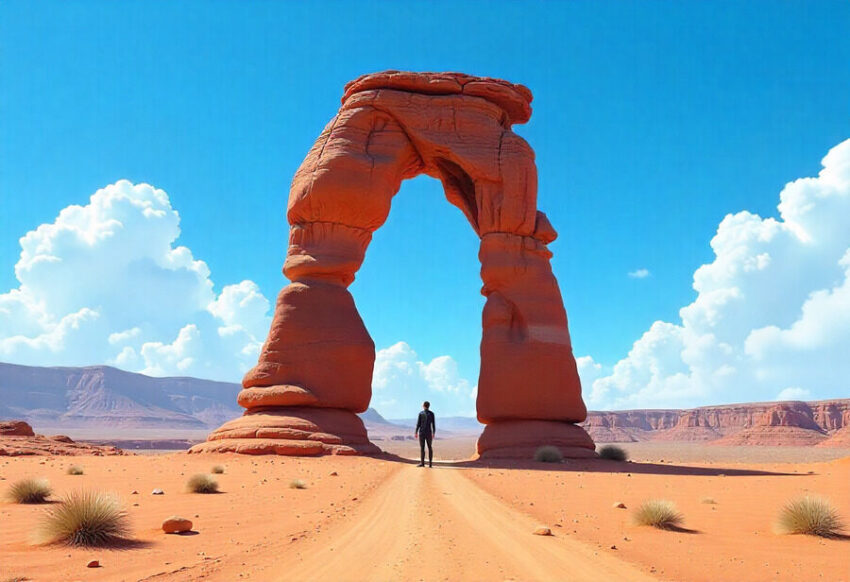
- Eco-Tourism: Promoting desert landscapes and pristine coastlines for eco-tourism supports the conservation of terrestrial and marine ecosystems, aligning with SDG 14 (Life Below Water) and SDG 15 (Life on Land).
- Cultural and Heritage Tourism: By developing packages centered around historical sites and cultural landmarks, the partnership fosters a deeper appreciation for local heritage, contributing to SDG 11.
- Religious Tourism: Enhancing infrastructure for religious tourism in Saudi Arabia creates specialized economic opportunities consistent with SDG 8.
-
Knowledge Exchange and Technological Innovation
The agreement facilitates the sharing of tourism data, expertise, and technological innovations. This collaboration supports evidence-based policymaking and the development of smart tourism solutions, enhancing the visitor experience and operational efficiency. This pillar aligns with SDG 9 (Industry, Innovation, and Infrastructure) by fostering innovation within the tourism sector.
4.0 Alignment with National Visions and Regional Initiatives
This bilateral agreement is a critical component of the broader national strategies of both countries—Saudi Arabia’s Vision 2030 and Qatar National Vision 2030. Both visions prioritize tourism as a key driver for economic diversification, job creation, and sustainable development, reflecting a long-term commitment to the principles of the SDGs.
Furthermore, the partnership complements wider regional initiatives like the Cruise Arabia Alliance, which aims to develop the Gulf as a sustainable cruise tourism hub. Such multi-level cooperation, as championed by SDG 17, is essential for building a resilient and competitive regional tourism market.
5.0 Conclusion: A Model for Sustainable Regional Tourism
The Memorandum of Understanding between Qatar and Saudi Arabia represents a significant step towards a more integrated and sustainable tourism landscape in the Gulf. By embedding the principles of the Sustainable Development Goals into its core, the partnership is poised to deliver long-term economic benefits, preserve cultural and natural heritage, and create decent work opportunities. This collaboration serves as a powerful model for how regional partnerships can drive progress towards the 2030 Agenda for Sustainable Development, positioning the Gulf as a global leader in responsible and innovative tourism.
Analysis of Sustainable Development Goals in the Article
1. Which SDGs are addressed or connected to the issues highlighted in the article?
The article on the tourism partnership between Qatar and Saudi Arabia addresses and connects to several Sustainable Development Goals (SDGs). These goals are central to the collaboration’s focus on economic growth, sustainable practices, and international cooperation.
- SDG 8: Decent Work and Economic Growth: The article heavily emphasizes tourism as a key driver for economic diversification and growth. It highlights how both Qatar and Saudi Arabia are using tourism to reduce their dependence on oil revenue, create new opportunities, and increase the industry’s contribution to their national economies, which aligns with promoting sustained, inclusive, and sustainable economic growth.
- SDG 11: Sustainable Cities and Communities: The partnership’s focus on promoting and safeguarding cultural and natural heritage is directly linked to this goal. The article states that the collaboration aims to highlight “distinct cultural heritage, unique landscapes,” and “iconic landmarks,” which supports the goal of making human settlements inclusive, safe, resilient, and sustainable by protecting cultural assets.
- SDG 12: Responsible Consumption and Production: The commitment to “sustainable tourism” is a core theme. The article mentions that the partnership will focus on “promoting tourism that respects local culture, the environment, and communities while encouraging eco-friendly travel solutions.” This aligns with the goal of ensuring sustainable consumption and production patterns, particularly within the tourism sector.
- SDG 17: Partnerships for the Goals: This SDG is the foundational element of the entire article. The Memorandum of Understanding (MoU) between Qatar and Saudi Arabia is a clear example of a bilateral partnership to achieve common goals. The article also mentions broader regional collaborations like the “Cruise Arabia Alliance,” underscoring the importance of strengthening the means of implementation and revitalizing global and regional partnerships for sustainable development.
2. What specific targets under those SDGs can be identified based on the article’s content?
Based on the article’s content, several specific SDG targets can be identified:
- Target 8.9: “By 2030, devise and implement policies to promote sustainable tourism that creates jobs and promotes local culture and products.” The article directly supports this target by describing the MoU’s aim to “foster sustainable tourism growth,” promote “cultural and heritage tourism,” and position the Gulf as a premier destination, thereby creating economic opportunities.
- Target 8.2: “Achieve higher levels of economic productivity through diversification, technological upgrading and innovation…” The article explicitly states that both nations’ strategic visions (Saudi Vision 2030 and Qatar National Vision 2030) prioritize tourism for “economic diversification” and “reducing dependence on oil revenue.” The commitment to sharing “technological innovation” and using “advanced technology” to improve visitor experiences also aligns with this target.
- Target 11.4: “Strengthen efforts to protect and safeguard the world’s cultural and natural heritage.” The collaboration’s focus on developing “cultural and heritage tourism,” promoting “shared history,” and showcasing “stunning natural landscapes” like desert vistas and pristine beaches directly contributes to this target.
- Target 12.b: “Develop and implement tools to monitor sustainable development impacts for sustainable tourism…” While the article doesn’t mention specific monitoring tools, the stated commitment to “lead the way in sustainable tourism practices” and promote “eco-friendly travel solutions” is a foundational step toward implementing and monitoring sustainable tourism.
- Target 17.16: “Enhance the Global Partnership for Sustainable Development, complemented by multi-stakeholder partnerships that mobilize and share knowledge, expertise, technology and financial resources…” The partnership between Qatar and Saudi Arabia, which includes a commitment to “sharing tourism data and expertise” and combining “resources and expertise,” is a direct manifestation of this target.
3. Are there any indicators mentioned or implied in the article that can be used to measure progress towards the identified targets?
Yes, the article mentions or implies several indicators that can be used to measure progress:
- Tourism’s contribution to GDP: The article explicitly mentions Saudi Arabia’s goal of “doubling tourism’s contribution to its GDP.” This is a direct indicator for Target 8.9 (Indicator 8.9.1: Tourism direct GDP as a proportion of total GDP).
- Number of international visitors: Saudi Arabia’s goal of “attracting 150 million visitors annually by 2030” is a clear quantitative indicator of tourism growth. The statistic that “nearly a quarter of all visitors to Qatar in 2024 will be from Saudi Arabia” is another metric that can be used to track the success of cross-border tourism initiatives.
- Number of partnerships and joint initiatives: The existence of the MoU itself is an indicator of partnership (Target 17.16). Progress can be further measured by tracking the number of “joint tourism events,” “collaborative marketing campaigns,” and “co-branded campaigns” launched as part of the agreement.
- Development of specialized tourism products: The creation of “specialized travel packages that cater to the growing demand for cultural, spiritual, and historical experiences” can serve as a qualitative and quantitative indicator of efforts to promote cultural heritage (Target 11.4).
- Implementation of sustainable practices: While not a numerical indicator, the adoption of “eco-friendly travel solutions” and practices that respect “local culture, the environment, and communities” can be monitored to measure progress towards sustainable tourism (Target 12.b).
4. Table of SDGs, Targets, and Indicators
| SDGs | Targets | Indicators |
|---|---|---|
| SDG 8: Decent Work and Economic Growth | Target 8.9: Promote sustainable tourism that creates jobs and promotes local culture and products. |
|
| SDG 11: Sustainable Cities and Communities | Target 11.4: Strengthen efforts to protect and safeguard the world’s cultural and natural heritage. |
|
| SDG 12: Responsible Consumption and Production | Target 12.b: Develop and implement tools to monitor sustainable development impacts for sustainable tourism. |
|
| SDG 17: Partnerships for the Goals | Target 17.16: Enhance the Global Partnership for Sustainable Development… complemented by multi-stakeholder partnerships that mobilize and share knowledge, expertise… |
|
Source: travelandtourworld.com
What is Your Reaction?
 Like
0
Like
0
 Dislike
0
Dislike
0
 Love
0
Love
0
 Funny
0
Funny
0
 Angry
0
Angry
0
 Sad
0
Sad
0
 Wow
0
Wow
0