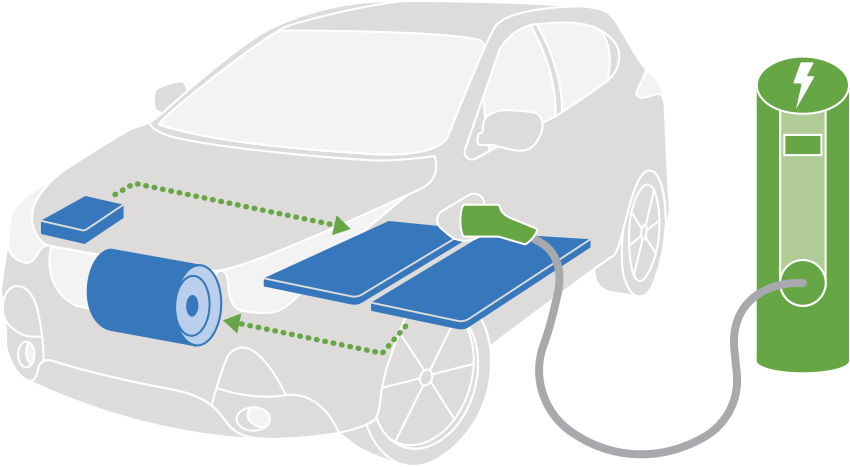


























































Solid-State Batteries: The Bet Promising to Change Electric Vehicles – Impakter
Report on the Evolution of Electric Vehicle Battery Technology and Its Alignment with Sustainable Development Goals (SDGs)
Introduction
The automotive industry is undergoing a significant transformation as electric vehicles (EVs) become increasingly prevalent. Central to this evolution are advancements in battery technology, which directly influence vehicle range, maintenance frequency, and owner confidence. This report focuses on the emergence of solid-state batteries as a promising innovation and examines their implications within the broader context of sustainable development, particularly the United Nations Sustainable Development Goals (SDGs).
Significance of Solid-State Batteries for Electric Vehicles
Technological Advancements
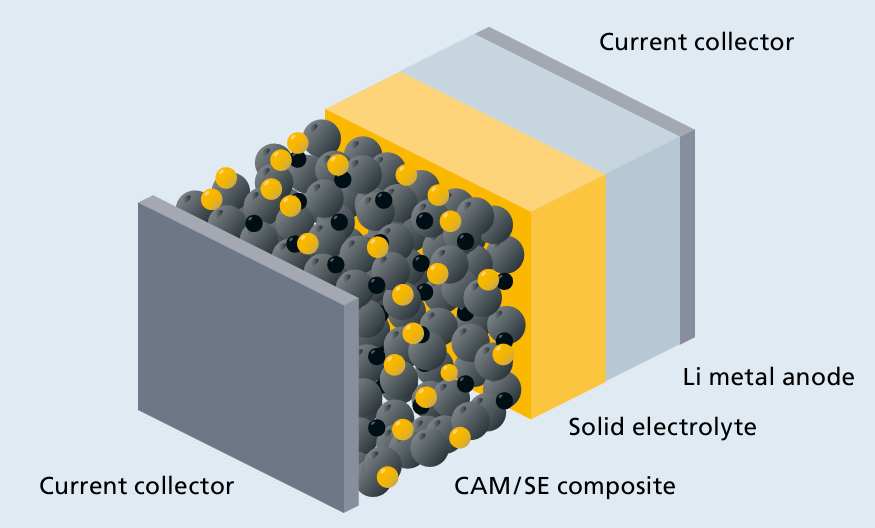
Solid-state batteries represent a shift from traditional lithium-ion batteries by replacing liquid electrolytes with solid materials. According to the Solid-State Battery Roadmap by Fraunhofer ISI, this design enhances safety by eliminating flammable liquids and improves stability fundamentally.
- Higher energy density and longer battery life due to altered lithium-ion movement.
- Faster charging and higher power capabilities without increasing battery size.
- Improved durability and stability under higher voltages and temperatures, as noted by Toyota.
Alignment with SDGs
- SDG 7 (Affordable and Clean Energy): Enhances energy efficiency and supports the transition to clean energy through improved battery performance.
- SDG 9 (Industry, Innovation, and Infrastructure): Drives innovation in battery manufacturing and electric mobility technologies.
- SDG 11 (Sustainable Cities and Communities): Promotes cleaner transportation options, reducing urban air pollution.
- SDG 12 (Responsible Consumption and Production): Encourages development of longer-lasting batteries, reducing waste and resource consumption.
Industry Approaches: Toyota vs Tesla
Toyota’s Manufacturing Focus
Toyota’s strategy emphasizes overcoming manufacturing challenges associated with solid-state batteries. The company has addressed early durability issues caused by cell expansion and contraction during charging cycles. Toyota is investing in specialized equipment and processes to enable precise and rapid stacking necessary for solid electrolyte integrity, aiming for commercial deployment between 2027 and 2028.
Tesla’s Cautious Position
Conversely, Tesla currently does not plan to integrate solid-state batteries into its vehicles. Its suppliers, Panasonic and CATL, highlight the technology’s high cost and scalability challenges for large EVs. Tesla prioritizes cost reduction and volume expansion, favoring proven lithium-ion technologies for now.
Common Industry Concerns and SDG Implications
- Durability, cost, and long-term ownership remain critical considerations.
- Improved battery longevity supports SDG 12 by minimizing resource depletion and waste.
- Advancements in battery technology contribute to SDG 13 (Climate Action) by enabling cleaner transportation.
Economic and Maintenance Benefits of Electric Vehicles
Electric vehicles inherently require less maintenance due to simpler mechanical systems, fewer moving parts, and regenerative braking reducing wear. The U.S. Department of Energy reports lower routine servicing needs for EVs compared to combustion engines.
- Consumer Reports indicates that EV owners spend approximately half as much on repairs and maintenance as petrol vehicle owners.
- Lower lifetime costs enhance affordability and accessibility, supporting SDG 10 (Reduced Inequalities) by making sustainable transport more attainable.
Integration with Broader Energy System Shifts
Renewable Energy Expansion
The International Renewable Energy Agency (IRENA) reports significant reductions in electricity generation costs due to rapid renewable energy deployment. This trend makes electric vehicle operation more affordable and predictable, reinforcing the value of durable batteries.
Grid and Infrastructure Improvements
- Investments in grid upgrades and energy storage increase charging reliability and accessibility.
- Enhanced system efficiency supports more frequent and faster charging, emphasizing the need for robust battery durability.
- Cleaner power systems reduce exposure to fuel price volatility, fostering stable conditions for long-term EV ownership.
SDG Contributions
- SDG 7: Supports affordable and clean energy access.
- SDG 9: Encourages resilient infrastructure and innovation.
- SDG 13: Advances climate action through reduced greenhouse gas emissions.
Conclusion: Solid-State Batteries within the Sustainable Mobility Landscape
Solid-state batteries exemplify the intersection of technological innovation, industrial strategy, and the global energy transition. While not a universal solution, they highlight the evolving expectations for electric vehicle performance, durability, and sustainability. The ongoing development and deployment of such technologies contribute directly to multiple SDGs by promoting cleaner energy, fostering innovation, and enabling sustainable urban mobility.
Editor’s Note: The views expressed in this report are those of the authors and do not necessarily reflect the positions of impakter.com.
Cover Photo Credit: Tom Fisk
1. Sustainable Development Goals (SDGs) Addressed or Connected
- SDG 7: Affordable and Clean Energy
- The article discusses the role of solid-state batteries in electric vehicles (EVs), which are powered by electricity, increasingly generated from renewable sources.
- It highlights the reduction in electricity generation costs due to renewable energy expansion, making electric mobility more affordable.
- Grid upgrades and improved system efficiency supporting EV charging are also mentioned.
- SDG 9: Industry, Innovation and Infrastructure
- The article focuses on technological innovation in battery design and manufacturing processes, such as Toyota’s investment in new equipment for solid-state battery production.
- It emphasizes the importance of industrial innovation to improve battery durability, safety, and performance.
- SDG 11: Sustainable Cities and Communities
- Electric vehicles contribute to cleaner urban environments by reducing emissions compared to combustion engines.
- The article implies the role of EVs in sustainable urban mobility and reducing pollution.
- SDG 12: Responsible Consumption and Production
- The focus on longer-lasting batteries and lower maintenance costs supports sustainable consumption patterns.
- Battery durability reduces waste and the need for frequent replacements.
- SDG 13: Climate Action
- Electric vehicles powered by renewable energy reduce greenhouse gas emissions, supporting climate mitigation efforts.
- The article discusses the transition to cleaner power systems and the role of EVs in reducing fuel price volatility and emissions.
2. Specific Targets Under Those SDGs Identified
- SDG 7: Affordable and Clean Energy
- Target 7.2: Increase substantially the share of renewable energy in the global energy mix.
- Target 7.3: Double the global rate of improvement in energy efficiency.
- Target 7.a: Enhance international cooperation to facilitate access to clean energy research and technology.
- SDG 9: Industry, Innovation and Infrastructure
- Target 9.4: Upgrade infrastructure and retrofit industries to make them sustainable, with increased resource-use efficiency and greater adoption of clean and environmentally sound technologies.
- Target 9.5: Enhance scientific research, upgrade the technological capabilities of industrial sectors.
- SDG 11: Sustainable Cities and Communities
- Target 11.2: Provide access to safe, affordable, accessible and sustainable transport systems for all.
- SDG 12: Responsible Consumption and Production
- Target 12.5: Substantially reduce waste generation through prevention, reduction, recycling and reuse.
- SDG 13: Climate Action
- Target 13.2: Integrate climate change measures into national policies, strategies and planning.
3. Indicators Mentioned or Implied to Measure Progress
- SDG 7 Indicators
- Proportion of renewable energy in the total final energy consumption (Indicator 7.2.1) – implied through discussion of renewable energy expansion reducing electricity costs.
- Energy intensity measured in terms of primary energy and GDP (Indicator 7.3.1) – implied by improvements in battery efficiency and vehicle energy use.
- SDG 9 Indicators
- Research and development expenditure as a proportion of GDP (Indicator 9.5.1) – implied by investments in new battery manufacturing technologies.
- Manufacturing value added as a proportion of GDP and per capita (Indicator 9.2.1) – related to scaling production of solid-state batteries.
- SDG 11 Indicators
- Proportion of population that has convenient access to public transport (Indicator 11.2.1) – indirectly related to sustainable transport options like EVs.
- SDG 12 Indicators
- National recycling rate, tons of material recycled (Indicator 12.5.1) – implied by longer battery life reducing waste generation.
- SDG 13 Indicators
- Greenhouse gas emissions per unit of GDP (Indicator 13.2.2) – implied through the reduction of emissions by switching to electric vehicles powered by renewable energy.
- Additional Implied Indicators
- Battery durability and lifespan metrics – implied as key to reducing maintenance costs and improving EV ownership experience.
- Cost of ownership and maintenance of electric vehicles compared to combustion engine vehicles – implied by Consumer Reports data referenced.
- Levelized cost of electricity (LCOE) – referenced in relation to renewable electricity generation costs.
4. Table of SDGs, Targets and Indicators
| SDGs | Targets | Indicators |
|---|---|---|
| SDG 7: Affordable and Clean Energy |
|
|
| SDG 9: Industry, Innovation and Infrastructure |
|
|
| SDG 11: Sustainable Cities and Communities |
|
|
| SDG 12: Responsible Consumption and Production |
|
|
| SDG 13: Climate Action |
|
|
Source: impakter.com
What is Your Reaction?
 Like
0
Like
0
 Dislike
0
Dislike
0
 Love
0
Love
0
 Funny
0
Funny
0
 Angry
0
Angry
0
 Sad
0
Sad
0
 Wow
0
Wow
0