


























































Thousands in Oregon Warned of ‘Dangerous’ Air Quality This Weekend – Newsweek
Report on Air Quality Alert in Northern Oregon: Emphasis on Sustainable Development Goals
Overview of the Air Quality Situation
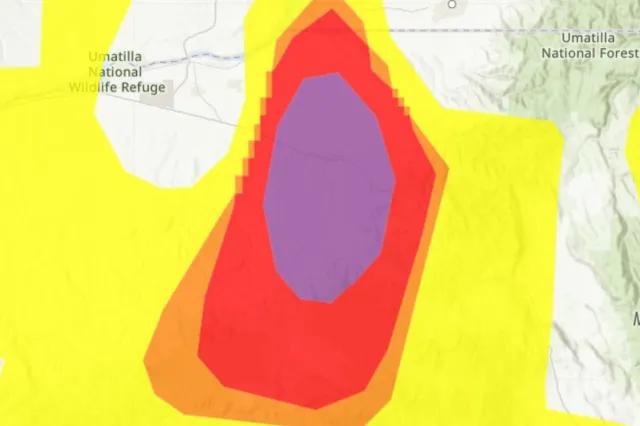
Thousands of residents in northern Oregon have been alerted to potentially hazardous air quality conditions this weekend. According to the Environmental Protection Agency’s (EPA) AirNow service, fine particle (PM2.5) pollution around Pendleton has reached the “very unhealthy” category on the Air Quality Index (AQI) as of 8 a.m. ET Saturday.
Significance and Health Implications
The “very unhealthy” air quality level indicates an increased risk of adverse health effects for the entire population, with particular concern for vulnerable groups such as children, the elderly, and individuals with respiratory or cardiovascular conditions. The EPA identifies PM2.5 as a critical pollutant due to its microscopic size (2.5 micrometers in diameter), enabling deep lung penetration and entry into the bloodstream.
- Health symptoms linked to PM2.5 exposure include coughing, sneezing, eye, nose, and throat irritation, shortness of breath, and chest tightness.
- Exposure can trigger or worsen chronic conditions such as asthma.
This situation directly relates to Sustainable Development Goal (SDG) 3: Good Health and Well-being, which aims to reduce illnesses caused by environmental pollution.
Geographical Impact and Official Advisories
The affected area extends beyond Pendleton to include Pilot Rock, categorized as “very unhealthy,” and surrounding regions such as Cayuse and Holdman, which are experiencing “unhealthy” air quality levels. Oregon’s Department of Environmental Quality (DEQ) has issued an Air Quality Advisory for southern Deschutes County, including La Pine, effective until 10 a.m. PT on Monday.
The advisory attributes the poor air quality to stagnant air conditions caused by high pressure systems, which trap smoke and pollutants near ground level, posing significant health risks.
- The National Weather Service (NWS) recommends that individuals with respiratory illnesses follow medical advice.
- Residents are urged to avoid outdoor burning and limit wood stove usage.
These measures support SDG 11: Sustainable Cities and Communities by promoting healthier living environments.
Understanding the EPA Air Quality Index (AQI)
The EPA’s AQI is a color-coded scale that communicates pollution risk levels:
- 0–50 (Green): Good – Air quality is satisfactory with minimal risk.
- 51–100 (Yellow): Moderate – Acceptable air quality; some risk for sensitive individuals.
- 101–150 (Orange): Unhealthy for sensitive groups – Sensitive groups may experience health effects.
- 151–200 (Red): Unhealthy – Health effects likely for the general population; more serious for sensitive groups.
- 201–300 (Purple): Very Unhealthy – Health alert for all; increased risk for everyone.
- 301 and higher (Maroon): Hazardous – Emergency conditions; high risk of health effects for all.
This system facilitates informed decision-making, aligning with SDG 13: Climate Action by enhancing public awareness of environmental hazards.
Expert Insights and Public Health Guidance
AirNow states: “Particle pollution consists of microscopic solids or liquid droplets that penetrate deep into the lungs, causing serious health issues. People with heart or lung diseases, older adults, and children are at heightened risk of hospital visits or mortality related to these conditions.”
Even healthy individuals may experience temporary symptoms such as eye, nose, and throat irritation, coughing, phlegm production, chest tightness, and shortness of breath. This underscores the importance of environmental health interventions consistent with SDG 3.
Next Steps and Recommendations
- The Air Quality Advisory remains active until Monday morning, with ongoing monitoring and updates anticipated.
- Residents in affected areas should consult the AirNow and Oregon DEQ websites for real-time information.
These actions contribute to SDG 17: Partnerships for the Goals by encouraging collaboration between government agencies and the public to address environmental health challenges.
1. Sustainable Development Goals (SDGs) Addressed
- SDG 3: Good Health and Well-being
- The article highlights health risks associated with poor air quality, including respiratory and heart conditions, affecting vulnerable groups such as children and the elderly.
- SDG 11: Sustainable Cities and Communities
- Air quality management and advisories relate to creating healthier urban and community environments.
- SDG 13: Climate Action
- Air pollution from particulate matter is linked to broader environmental and climate issues, including stagnant air conditions and pollution trapping.
- SDG 15: Life on Land
- Air pollution impacts ecosystems and biodiversity, implied through the discussion of pollutants and their environmental effects.
2. Specific Targets Under Identified SDGs
- SDG 3: Good Health and Well-being
- Target 3.9: By 2030, substantially reduce the number of deaths and illnesses from hazardous chemicals and air, water, and soil pollution and contamination.
- SDG 11: Sustainable Cities and Communities
- Target 11.6: By 2030, reduce the adverse per capita environmental impact of cities, including by paying special attention to air quality and municipal and other waste management.
- SDG 13: Climate Action
- Target 13.2: Integrate climate change measures into national policies, strategies, and planning.
- SDG 15: Life on Land
- Target 15.1: By 2020, ensure the conservation, restoration, and sustainable use of terrestrial and inland freshwater ecosystems and their services.
3. Indicators Mentioned or Implied to Measure Progress
- Air Quality Index (AQI)
- The EPA’s AQI is explicitly mentioned as a color-coded scale measuring air pollution levels, including PM2.5 concentrations, which can be used to monitor air quality and health risks.
- PM2.5 Concentration Levels
- Fine particulate matter (PM2.5) levels are used to assess pollution severity, directly linked to health impacts and air quality advisories.
- Health Outcome Indicators
- Hospital and emergency room visits for heart or lung diseases, as well as incidence of respiratory symptoms, are implied indicators for health impact assessment.
- Air Quality Advisory Issuance
- Frequency and duration of air quality advisories issued by environmental agencies serve as indicators of air pollution events and response measures.
4. Table of SDGs, Targets, and Indicators
| SDGs | Targets | Indicators |
|---|---|---|
| SDG 3: Good Health and Well-being | Target 3.9: Reduce deaths and illnesses from hazardous chemicals and pollution |
|
| SDG 11: Sustainable Cities and Communities | Target 11.6: Reduce adverse environmental impact of cities, including air quality |
|
| SDG 13: Climate Action | Target 13.2: Integrate climate change measures into policies and planning |
|
| SDG 15: Life on Land | Target 15.1: Conservation and sustainable use of terrestrial ecosystems |
|
Source: newsweek.com
What is Your Reaction?
 Like
0
Like
0
 Dislike
0
Dislike
0
 Love
0
Love
0
 Funny
0
Funny
0
 Angry
0
Angry
0
 Sad
0
Sad
0
 Wow
0
Wow
0