











































Dialogues to begin on ensuring sustainable water management – environment.ec.europa.eu

Report on the European Commission’s Structured Water Dialogues Initiative
Introduction: Advancing Sustainable Development Goal 6 through Strategic Collaboration
The European Commission has initiated a series of Structured Water Dialogues with Member States as a core component of the EU Water Resilience Strategy. This initiative is designed to accelerate compliance with EU water legislation, directly contributing to the achievement of the United Nations Sustainable Development Goals (SDGs), with a primary focus on SDG 6 (Clean Water and Sanitation).
State of EU Water Resources: A Challenge to SDG Targets
Current Water Quality Assessment
A recent report on the condition of water in the European Union highlights a significant gap in meeting environmental objectives, which are critical for fulfilling SDG 6 targets. The findings indicate a pressing need for accelerated action:
- Only 39.5% of EU surface water bodies currently achieve good ecological status, impacting SDG Target 6.6 (protect and restore water-related ecosystems).
- A mere 26.8% of these bodies achieve good chemical status, undermining progress towards SDG Target 6.3 (improve water quality by reducing pollution).
Pressures on Water Systems and Related SDGs
The EU’s water resources face mounting pressures that threaten the achievement of multiple SDGs. These challenges include:
- Unsustainable land use and pollution, directly conflicting with SDG 15 (Life on Land) and SDG 14 (Life Below Water).
- Climate change and increased water demand, which challenge resilience efforts under SDG 13 (Climate Action).
- Urbanisation and population growth, impacting resource management as outlined in SDG 11 (Sustainable Cities and Communities).
The Structured Water Dialogues: A Framework for SDG 17 (Partnerships for the Goals)
Objectives and Scope
The dialogues are structured to foster collaboration and partnership, embodying the principles of SDG 17. Their primary objectives are to:
- Assist Member States in implementing country-specific recommendations to improve water management by the 2027 deadline.
- Ensure compliance with foundational EU legislation, including the Water Framework Directive, the Floods Directive, and the Marine Strategy Framework Directive.
- Facilitate a collaborative environment for shaping effective solutions to achieve shared water resilience goals.
Implementation Plan (2025-2027)
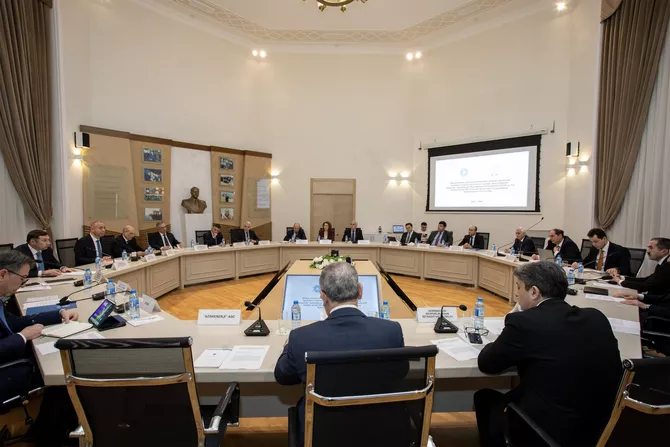
The process will be conducted with each Member State and involves a two-tiered approach:
- A series of preparatory technical meetings between the Commission and national administrations.
- A culminating political discussion led by the Commissioner for Environment, Water Resilience and a Competitive Circular Economy and the relevant national Minister(s).
Policy Framework and Contribution to Specific SDGs
The European Water Resilience Strategy
The overarching strategy aims to create a sustainable and resilient water economy in Europe by focusing on key objectives that align with the SDG framework:
- Restoring and protecting the water cycle: Directly supports SDG 6 and SDG 15.
- Securing clean and affordable water for all: A core tenet of SDG 6.
- Improving governance and implementation of EU water laws: Essential for achieving all water-related targets through effective policy.
Key Legislative Instruments and Their SDG Alignment
- Water Framework Directive: Requires all water bodies to achieve good quality status, directly contributing to SDG 6.3 (water quality) and SDG 6.6 (ecosystem protection).
- Floods Directive: Mandates the development of Flood Risk Management Plans, which supports SDG 11.5 (reduce losses from disasters) and SDG 13.1 (strengthen resilience to climate-related hazards).
The outcomes of these dialogues are anticipated to represent a significant advancement towards achieving water resilience in the EU, thereby reinforcing the Union’s commitment to the 2030 Agenda for Sustainable Development.
Analysis of Sustainable Development Goals in the Article
1. Which SDGs are addressed or connected to the issues highlighted in the article?
-
SDG 6: Clean Water and Sanitation
- The article’s primary focus is on the quality and management of water resources within the EU. It directly discusses the EU’s Water Resilience Strategy, the Water Framework Directive, and the objective to achieve “good ecological status” and “good chemical status” for all water bodies, which is the core of SDG 6.
-
SDG 13: Climate Action
- The article identifies climate change as a significant pressure on water resources. It also highlights the EU’s Floods Directive, which requires Member States to manage flood risks, directly linking to the need for resilience and adaptation to climate-related hazards.
-
SDG 14: Life Below Water
- The article explicitly mentions the “Marine Strategy Framework Directive” and the need to protect “coastal waters” as part of the EU’s water legislation. This connects the discussion to the sustainable management and protection of marine and coastal ecosystems.
-
SDG 15: Life on Land
- The text states that “unsustainable land use” is a major pressure on the EU’s water resources. The strategy’s aim to restore the water cycle implies a connection to the health of terrestrial and inland freshwater ecosystems.
-
SDG 17: Partnerships for the Goals
- The entire initiative described—the launch of “Structured Water Dialogues with Member States”—is a clear example of a partnership. The article emphasizes collaboration between the EU Commission and national administrations to “jointly accelerate action” and achieve shared objectives.
2. What specific targets under those SDGs can be identified based on the article’s content?
-
Target 6.3: By 2030, improve water quality by reducing pollution, eliminating dumping and minimizing release of hazardous chemicals and materials, halving the proportion of untreated wastewater and substantially increasing recycling and safe reuse globally.
- The article’s focus on achieving “good ecological status” and “good chemical status” for surface waters directly aligns with this target of improving water quality by addressing pollution.
-
Target 6.5: By 2030, implement integrated water resources management at all levels, including through transboundary cooperation as appropriate.
- The implementation of the Water Framework Directive and the Structured Water Dialogues are mechanisms to improve water management across Member States, reflecting the principles of integrated water resources management.
-
Target 13.1: Strengthen resilience and adaptive capacity to climate-related hazards and natural disasters in all countries.
- The mention of the Floods Directive, which requires Member States to “develop plans to minimise risk and potential damage through Flood Risk Management Plans,” is a direct action to strengthen resilience against climate-related hazards like flooding.
-
Target 14.2: By 2020, sustainably manage and protect marine and coastal ecosystems to avoid significant adverse impacts, including by strengthening their resilience, and take action for their restoration in order to achieve healthy and productive oceans.
- The article’s reference to the “Marine Strategy Framework Directive” and the protection of “coastal waters” is directly related to the sustainable management and protection of these specific ecosystems.
-
Target 15.1: By 2020, ensure the conservation, restoration and sustainable use of terrestrial and inland freshwater ecosystems and their services, in particular forests, wetlands, mountains and drylands, in line with obligations under international agreements.
- The article identifies “unsustainable land use” as a pressure on water resources and mentions the goal of “restoring and protecting the water cycle,” which connects to the conservation and restoration of inland freshwater ecosystems.
-
Target 17.16: Enhance the Global Partnership for Sustainable Development, complemented by multi-stakeholder partnerships that mobilize and share knowledge, expertise, technology and financial resources, to support the achievement of the sustainable development goals in all countries, in particular developing countries.
- The “Structured Water Dialogues” between the EU Commission and Member States, designed for “collaboration” and to “jointly accelerate action,” perfectly embodies the spirit of this partnership-focused target.
3. Are there any indicators mentioned or implied in the article that can be used to measure progress towards the identified targets?
-
Indicator for Target 6.3 (related to SDG Indicator 6.3.2): The article provides explicit quantitative data that serves as a direct indicator of water quality.
- Mentioned Indicator: The percentage of EU surface water bodies achieving good status. The article states, “only 39.5% of EU surface water bodies are achieving good ecological status, and only 26.8% achieving good chemical status.” These figures are direct measurements of progress towards the target.
-
Indicator for Target 13.1 (related to SDG Indicator 13.1.2): The article implies a process-based indicator for measuring resilience to climate-related hazards.
- Implied Indicator: The development and implementation of Flood Risk Management Plans. The article notes that the Floods Directive “requires Member States to identify and map areas prone to flooding and develop plans to minimise risk.” The existence and quality of these plans serve as an indicator of progress.
-
Indicator for Target 6.5 (related to SDG Indicator 6.5.1): The article implies an indicator related to the implementation of integrated water management policies.
- Implied Indicator: The degree of implementation of the Water Framework Directive and the outcomes of the Structured Water Dialogues. These actions represent progress in establishing and operationalizing integrated water resources management.
4. Summary Table of SDGs, Targets, and Indicators
| SDGs | Targets | Indicators Identified in the Article |
|---|---|---|
| SDG 6: Clean Water and Sanitation | Target 6.3: Improve water quality by reducing pollution. | Percentage of EU surface water bodies achieving good ecological status (39.5%) and good chemical status (26.8%). |
| SDG 6: Clean Water and Sanitation | Target 6.5: Implement integrated water resources management. | Implementation of the Water Framework Directive and the establishment of Structured Water Dialogues to improve water management. |
| SDG 13: Climate Action | Target 13.1: Strengthen resilience and adaptive capacity to climate-related hazards. | Development and implementation of Flood Risk Management Plans as required by the Floods Directive. |
| SDG 14: Life Below Water | Target 14.2: Sustainably manage and protect marine and coastal ecosystems. | Compliance with and implementation of the Marine Strategy Framework Directive. |
| SDG 15: Life on Land | Target 15.1: Ensure the conservation and restoration of inland freshwater ecosystems. | Actions taken to address unsustainable land use and restore the water cycle. |
| SDG 17: Partnerships for the Goals | Target 17.16: Enhance partnerships for sustainable development. | Establishment and execution of Structured Water Dialogues between the EU Commission and Member States for joint action. |
Source: environment.ec.europa.eu
What is Your Reaction?
 Like
0
Like
0
 Dislike
0
Dislike
0
 Love
0
Love
0
 Funny
0
Funny
0
 Angry
0
Angry
0
 Sad
0
Sad
0
 Wow
0
Wow
0