














































Iran’s Water Crisis Puts Millions in Danger – Newsweek
Report on Iran’s Water Crisis and its Implications for Sustainable Development Goals
Introduction
Iran is confronting a severe water crisis with significant implications for national and regional stability. The situation, characterized by the near-total collapse of Lake Urmia and escalating diplomatic tensions with Afghanistan over water rights, directly undermines progress toward several key Sustainable Development Goals (SDGs). This report analyzes the crisis through the lens of the SDGs, focusing on water security, ecosystem health, and regional peace.
Analysis of Key Challenges and SDG Impacts
SDG 6 (Clean Water and Sanitation) & SDG 16 (Peace, Justice and Strong Institutions): Transboundary Water Conflict
The dispute over the Helmand River highlights a critical failure in achieving SDG Target 6.5, which calls for transboundary cooperation on water resources. The conflict poses a direct threat to regional stability, a core concern of SDG 16.
- Iranian officials accuse Afghanistan of violating the Helmand River Treaty by constructing dams that reduce water flow into Iran.
- Tehran reports receiving significantly less water than contractually guaranteed, prompting calls for a new legal framework to manage the shared river.
- This diplomatic friction exacerbates regional tensions and undermines efforts to build peaceful and inclusive societies (SDG 16).
SDG 15 (Life on Land), SDG 3 (Good Health and Well-being), & SDG 11 (Sustainable Cities and Communities): Ecological Collapse of Lake Urmia
The desiccation of Lake Urmia represents a catastrophic failure to protect vital ecosystems, directly impacting SDG 15. The consequences have created a public health and environmental crisis, affecting SDG 3 and SDG 11.
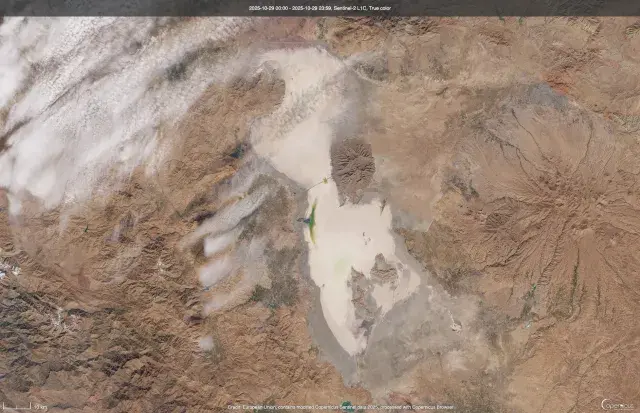
- Ecosystem Destruction (SDG 15): The lake has lost over 95 percent of its water volume due to a combination of drought, dam construction, and overpumping of groundwater. This has led to the collapse of a once-thriving ecosystem.
- Public Health Risks (SDG 3): The exposed lakebed has become a source of salt dust, which can travel up to 500 kilometers. This phenomenon endangers public health and threatens respiratory well-being for millions.
- Threat to Human Settlements (SDG 11): The crisis threatens the viability of agriculture and livelihoods for over 15 million people in northwestern Iran, increasing the risk of displacement and migration.
SDG 2 (Zero Hunger) & SDG 13 (Climate Action): Food Security and Climate Factors
The water crisis is intrinsically linked to food production and climate change, jeopardizing progress on SDG 2 and highlighting the urgency of SDG 13.
- Food Insecurity: Water scarcity and the salinization of agricultural land are leading to shrinking harvests, directly threatening food security and the goal of ending hunger.
- Climate Change: While governmental mismanagement and water diversion are cited as key factors, officials also acknowledge that decreased rainfall and prolonged drought, consistent with climate change impacts, have severely exacerbated the situation.
Conclusion and Recommendations
Iran’s water crisis is a multifaceted challenge that requires a comprehensive response aligned with the principles of sustainable development. Addressing this crisis is essential for achieving national development objectives and maintaining regional stability.
Urgent Actions Required
- Strengthen Governance and Management (SDG 16): Implement urgent reforms in domestic water consumption, irrigation infrastructure, and transparent resource management to combat the effects of mismanagement.
- Promote Diplomatic Solutions (SDG 16 & SDG 6): Prioritize diplomacy to resolve the Helmand River dispute with Afghanistan, establishing a robust and equitable legal framework for shared water resources.
- Invest in Climate Resilience (SDG 13): Explore and invest in alternative water supplies, such as desalination and water importation, to build resilience against climate-induced water scarcity.
- Seek International Partnerships: Engage with international partners to secure technical and financial assistance for mitigating the humanitarian, health, and environmental impacts of the crisis, particularly concerning the restoration of Lake Urmia and supporting affected populations.
Analysis of SDGs, Targets, and Indicators
1. Which SDGs are addressed or connected to the issues highlighted in the article?
The article on Iran’s water crisis touches upon several interconnected Sustainable Development Goals (SDGs) that highlight the multifaceted nature of the issue, spanning environmental, social, political, and economic dimensions.
-
SDG 6: Clean Water and Sanitation
This is the most central SDG addressed. The article’s core theme is the “deepening water crisis” in Iran, focusing on water scarcity, mismanagement (“overpumping,” “diverting…water”), and the need for sustainable water resource management. -
SDG 15: Life on Land
The “near-total collapse of Lake Urmia,” which has lost over 95% of its water, is a clear example of the degradation of an inland freshwater ecosystem, directly relevant to this goal. -
SDG 16: Peace, Justice and Strong Institutions
The “mounting tensions with Afghanistan over dam projects” and accusations of violating the “Helmand River Treaty” point to challenges in transboundary cooperation and the potential for conflict over shared resources, which is a key concern of SDG 16. The call for a “new legal framework” also relates to strengthening institutions for resource management. -
SDG 2: Zero Hunger
The consequences of the water crisis, such as “shrinking harvests” and threats to “agriculture,” directly impact food production and lead to “food insecurity,” linking the issue to SDG 2. -
SDG 3: Good Health and Well-being
The article explicitly mentions public health risks, noting that “dust from the exposed lake bed could travel as far as 500 kilometers, endangering… public health,” connecting the environmental crisis to human health outcomes. -
SDG 11: Sustainable Cities and Communities
The warning of a potential “humanitarian disaster” that threatens “more than 15 million people” highlights the risk to human settlements and the need for resilience against water-related disasters. -
SDG 17: Partnerships for the Goals
The concluding statement that “international aid and partnerships [are] vital” to address the crisis underscores the need for global cooperation, which is the essence of SDG 17.
2. What specific targets under those SDGs can be identified based on the article’s content?
Based on the specific problems and solutions discussed in the article, several SDG targets can be identified:
-
Target 6.4: By 2030, substantially increase water-use efficiency across all sectors and ensure sustainable withdrawals and supply of freshwater to address water scarcity.
Explanation: The article’s discussion of “overpumping,” the need for “urgent reforms in consumption, irrigation and infrastructure,” and the overall theme of a “deepening water crisis” directly relate to the need for greater water-use efficiency and sustainable management to combat scarcity. -
Target 6.5: By 2030, implement integrated water resources management at all levels, including through transboundary cooperation as appropriate.
Explanation: The conflict between Iran and Afghanistan over the Helmand River, the alleged violation of existing treaties, and the call for a “new legal framework” to manage the river are textbook examples of the challenges in implementing transboundary water cooperation. -
Target 15.1: By 2020, ensure the conservation, restoration and sustainable use of terrestrial and inland freshwater ecosystems and their services, in particular forests, wetlands, mountains and drylands.
Explanation: The ecological collapse of Lake Urmia, a vast inland freshwater ecosystem, is a direct failure to meet this target. The article details its dramatic shrinking and the government’s faltering revival efforts. -
Target 2.4: By 2030, ensure sustainable food production systems and implement resilient agricultural practices.
Explanation: The article states that the water crisis is “endangering agriculture” and leading to “shrinking harvests” and “food insecurity,” highlighting the urgent need for agricultural systems that are resilient to drought and water scarcity. -
Target 3.9: By 2030, substantially reduce the number of deaths and illnesses from… air, water and soil pollution and contamination.
Explanation: The warning that “salt-dust health risks” from the dry lake bed could endanger public health directly corresponds to this target’s goal of reducing illness from air pollution. -
Target 11.5: By 2030, significantly reduce the number of deaths and the number of people affected… by disasters, including water-related disasters.
Explanation: The article frames the situation as a looming “humanitarian disaster” threatening over “15 million people,” which aligns with the goal of mitigating the impact of water-related disasters on populations.
3. Are there any indicators mentioned or implied in the article that can be used to measure progress towards the identified targets?
The article provides both explicit data and implicit descriptions that can serve as indicators to measure the severity of the crisis and any progress towards the SDG targets.
- Indicator for Target 15.1 (Change in the extent of water-related ecosystems over time): The article provides a very specific quantitative indicator for the degradation of Lake Urmia, stating it has lost “more than 95 percent of its water” and has shrunk to a “fraction of its former size.” The mention of “imagery from the European Space Agency’s Sentinel-2 satellites” also points to a direct method of measurement.
- Indicator for Target 6.5 (Proportion of transboundary basin area with an operational arrangement for water cooperation): The article mentions the “Helmand River Treaty” but indicates it is not operational or effective, as Iran is receiving “far less water than the amount guaranteed.” The status and effectiveness of this treaty serve as a direct indicator of cooperation.
- Indicator for Target 11.5 (Number of people affected by disasters): A clear indicator is provided when the article states that the drying of Lake Urmia is “threatening more than 15 million people” across Iran’s northwest, quantifying the population at risk from this water-related disaster.
- Indicator for Target 6.4 (Level of water stress: freshwater withdrawal as a proportion of available freshwater resources): While not giving a specific percentage, the article implies an extremely high level of water stress through descriptions like “deepening water crisis,” “drought,” “overpumping,” and rivers having “no water left.” These qualitative descriptions point to a critical state for this indicator.
- Indicator for Target 2.4 (Proportion of agricultural area under productive and sustainable agriculture): The article implies a negative trend for this indicator by mentioning “shrinking harvests” and threats to “agriculture,” which suggest a decline in agricultural productivity and sustainability due to water scarcity.
4. Summary Table of SDGs, Targets, and Indicators
| SDGs | Targets | Indicators Identified in the Article |
|---|---|---|
| SDG 6: Clean Water and Sanitation | Target 6.5: Implement integrated water resources management… including through transboundary cooperation. | The ineffectiveness of the “Helmand River Treaty,” with Iran receiving “far less water than the amount guaranteed.” |
| SDG 15: Life on Land | Target 15.1: Ensure the conservation, restoration and sustainable use of… inland freshwater ecosystems. | Lake Urmia has lost “more than 95 percent of its water,” as confirmed by satellite imagery. |
| SDG 11: Sustainable Cities and Communities | Target 11.5: Significantly reduce the number of… people affected… by disasters, including water-related disasters. | The crisis is “threatening more than 15 million people” in Iran’s northwest. |
| SDG 2: Zero Hunger | Target 2.4: Ensure sustainable food production systems and implement resilient agricultural practices. | Implied through reports of “shrinking harvests” and threats to “food security” and “agriculture.” |
| SDG 3: Good Health and Well-being | Target 3.9: Substantially reduce… illnesses from… air… pollution. | Implied through the mention of “salt-dust health risks” from the exposed lake bed endangering public health. |
Source: newsweek.com
What is Your Reaction?
 Like
0
Like
0
 Dislike
0
Dislike
0
 Love
0
Love
0
 Funny
0
Funny
0
 Angry
0
Angry
0
 Sad
0
Sad
0
 Wow
0
Wow
0