

















































Nations firm on Antarctic protection but talks end in stalemate – Oceanographic Magazine
Report on the Commission for the Conservation of Antarctic Marine Living Resources (CCAMLR) Meeting Outcomes and Alignment with Sustainable Development Goals
H3>Progress on Marine Protected Areas and SDG 14
The recent meeting of CCAMLR concluded with no new Marine Protected Area (MPA) designations, representing a significant delay in advancing Sustainable Development Goal 14 (Life Below Water), particularly Target 14.5, which calls for the conservation of at least 10% of coastal and marine areas. The global community has since expanded this ambition to a 30% protection goal by 2030.
- Pending Proposals: Four protection proposals remain pending, including the Antarctic Peninsula MPA championed by Chile and Argentina.
- Global Impact: The collective adoption of these proposals would place approximately 26% of the Southern Ocean (3% of the global ocean) under protection, contributing substantially to global conservation targets.
- Stalled Momentum: The failure to adopt new designations places CCAMLR’s progress out of step with global commitments, including the UN High Seas Treaty.
Challenges in Ecosystem Protection and Climate Action (SDG 14 & SDG 13)
Key opportunities to advance marine ecosystem protection and address climate change were missed, undermining efforts related to SDG 14.2 (sustainably manage and protect marine and coastal ecosystems) and SDG 13 (Climate Action).
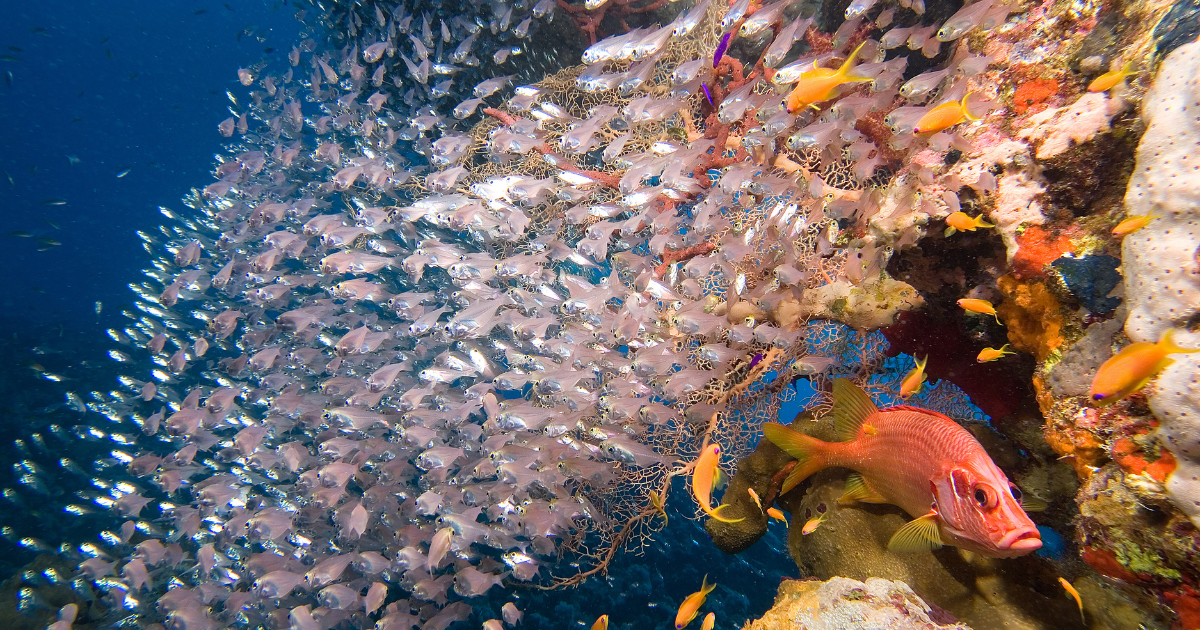
- Vulnerable Marine Ecosystems (VMEs): A proposal to designate a new VME was blocked by two members, despite video evidence of fragile deep-sea corals and sponges. This inconsistency in applying evidence-based protection criteria drew criticism and represents a direct setback for SDG 14.2.
- Climate Change Integration: Discussions on the accelerated impacts of climate change in Antarctica did not result in tangible outcomes. Experts noted that CCAMLR continues to treat climate change as a secondary issue, failing to integrate climate action (SDG 13) into its mandate of ensuring the resilience of Antarctic ecosystems.
Advances in Combating Illegal Fishing (SDG 14)
A notable positive outcome was the agreement to strengthen transparency in transshipment operations. This reform directly supports SDG 14.4, which aims to end illegal, unreported, and unregulated (IUU) fishing.
- Transparency Reform: Members agreed to publicly list all vessels authorised for transshipment (the transfer of catch at sea).
- Alignment with Best Practices: This measure aligns CCAMLR with international best practices for combating IUU fishing, representing a concrete step toward achieving specific targets within SDG 14.
Overall Assessment and Future Outlook (SDG 17)
The meeting’s modest gains are overshadowed by a broader lack of action, raising concerns about CCAMLR’s credibility and its commitment to SDG 17 (Partnerships for the Goals), specifically Target 17.14 concerning policy coherence for sustainable development.
- Credibility at Risk: Conservation advocates warn that CCAMLR risks being left behind by global momentum as it remains at a standstill while the world advances bold new ocean protection commitments.
- Call for Action: While growing alignment among some conservation-focused members signals potential for future progress, real action is required for the multilateral body to fulfill its pioneering role in marine conservation and contribute effectively to the global Sustainable Development Goals.
Analysis of the Article in Relation to Sustainable Development Goals (SDGs)
1. Which SDGs are addressed or connected to the issues highlighted in the article?
-
SDG 14: Life Below Water
- The article’s primary focus is on the conservation and sustainable use of the oceans, specifically the Southern Ocean. It discusses the creation of Marine Protected Areas (MPAs), the protection of Vulnerable Marine Ecosystems (VMEs) like deep-sea corals and sponges, and efforts to combat illegal, unreported, and unregulated (IUU) fishing. These are all core components of SDG 14.
-
SDG 13: Climate Action
- The article explicitly mentions the impact of climate change on Antarctica, noting it is “reshaping Antarctica faster than almost anywhere else on Earth.” It quotes an expert who criticizes the Commission for the Conservation of Antarctic Marine Living Resources (CCAMLR) for treating climate change as an “afterthought” and emphasizes that acting on this issue is “essential to ensuring the resilience of Antarctic ecosystems.” This directly links the discussion to the urgent need for climate action to protect marine environments.
-
SDG 17: Partnerships for the Goals
- The entire context of the article revolves around international cooperation and partnerships. It details the proceedings of a CCAMLR meeting, highlighting both successful collaborations (e.g., the MPA proposal by Chile and Argentina) and failures in partnership (e.g., “Two Members blocked the designation of a new VME”). The discussion about aligning CCAMLR’s work with global commitments like the “UN High Seas Treaty” and the “30 by 30” goal underscores the importance of strengthening global partnerships for sustainable development.
2. What specific targets under those SDGs can be identified based on the article’s content?
-
Target 14.5: Conserve at least 10 per cent of coastal and marine areas
- The article directly references the evolution of this target by mentioning the “international goal to protect 30% of the ocean by 2030.” The proposed Antarctic Peninsula MPA, which would help secure “26% of the Southern Ocean – about 3% of the global ocean,” is a concrete action aimed at achieving this target.
-
Target 14.2: Sustainably manage and protect marine and coastal ecosystems
- This target is addressed through the discussion on designating a new “Vulnerable Marine Ecosystem (VME)” to protect “fragile deep-sea corals and sponges.” The failure to designate this VME due to opposition from two members represents a missed opportunity to advance this target. The overall goal of MPAs is to manage and protect these ecosystems to ensure their resilience.
-
Target 14.4: End IUU fishing and destructive fishing practices
- The article highlights a “bright spot” in the agreement to “strengthen transparency on transshipment… by publicly listing all authorised ships.” This reform is explicitly described as aligning CCAMLR with “international best practices for combating illegal, unreported, and unregulated (IUU) fishing,” directly contributing to this target.
-
Target 13.2: Integrate climate change measures into policies and planning
- The article implies a failure to meet this target. The criticism that “CCAMLR continues to treat climate change as an afterthought” and the lack of “tangible outcomes” from discussions on the topic show that climate change measures are not being effectively integrated into the management and conservation planning for Antarctic ecosystems.
-
Target 17.14: Enhance policy coherence for sustainable development
- The article discusses the need to “align CCAMLR’s work with global commitments – including the UN High Seas Treaty and the international goal to protect 30% of the ocean by 2030.” This points directly to the challenge of ensuring that the policies and actions of a regional body like CCAMLR are coherent with broader international sustainability frameworks.
3. Are there any indicators mentioned or implied in the article that can be used to measure progress towards the identified targets?
-
Indicator for Target 14.5: Percentage of marine area protected
- The article provides specific figures that can be used as indicators. It mentions the goal to protect “30% of the ocean by 2030” and that the proposed MPAs would secure “26% of the Southern Ocean – about 3% of the global ocean.” These percentages are direct measures of progress.
-
Indicator for Target 14.2: Number of Vulnerable Marine Ecosystems (VMEs) designated for protection
- The article implies this indicator by discussing the proposal for a “new Vulnerable Marine Ecosystem (VME)” and noting that similar evidence was “used to protect 11 other sites in the past.” The success or failure in designating new VMEs serves as a clear indicator of progress in protecting fragile ecosystems.
-
Indicator for Target 14.4: Implementation of measures to combat IUU fishing
- The article mentions a specific, measurable action: the public listing of all authorized ships for transshipment. The creation and maintenance of this public list is a tangible indicator of the implementation of policies aimed at combating IUU fishing.
-
Indicator for Target 13.2: Integration of climate change considerations in marine management plans
- The article implies a lack of progress on this indicator. The statement that CCAMLR “continues to treat climate change as an afterthought” and the absence of “tangible outcomes” suggest that this indicator would currently show a negative or stagnant result for this specific governing body.
4. Table of SDGs, Targets, and Indicators
| SDGs | Targets | Indicators |
|---|---|---|
| SDG 14: Life Below Water | 14.5: Conserve at least 10% of coastal and marine areas. | Percentage of ocean area under protection (e.g., the goal of “30% of the ocean by 2030” and the proposed “3% of the global ocean”). |
| SDG 14: Life Below Water | 14.2: Sustainably manage and protect marine and coastal ecosystems. | Number of new Vulnerable Marine Ecosystems (VMEs) designated for protection. |
| SDG 14: Life Below Water | 14.4: End IUU fishing and destructive fishing practices. | Implementation of transparency measures, such as the public listing of all authorized transshipment vessels. |
| SDG 13: Climate Action | 13.2: Integrate climate change measures into policies and planning. | Inclusion of climate change resilience and adaptation measures in marine ecosystem management plans (noted as lacking in the article). |
| SDG 17: Partnerships for the Goals | 17.14: Enhance policy coherence for sustainable development. | Alignment of regional body (CCAMLR) actions with global commitments (UN High Seas Treaty, 30×30 goal). |
Source: oceanographicmagazine.com
What is Your Reaction?
 Like
0
Like
0
 Dislike
0
Dislike
0
 Love
0
Love
0
 Funny
0
Funny
0
 Angry
0
Angry
0
 Sad
0
Sad
0
 Wow
0
Wow
0