















































The relationship between childhood trauma and psychological security: the mediating role of self-disclosure and perceived social support in Iranian medical students – BMC Psychology

Report on Childhood Trauma and Psychological Security Among Iranian Medical Students
Introduction and Alignment with Sustainable Development Goals (SDGs)
A study conducted among Iranian medical students investigated the relationship between childhood trauma and psychological security, providing critical insights relevant to several Sustainable Development Goals (SDGs). The research focused on the mediating roles of self-disclosure and perceived social support in this relationship. These findings are integral to advancing SDG 3 (Good Health and Well-being) by addressing mental health, SDG 4 (Quality Education) by ensuring supportive learning environments, and SDG 16 (Peace, Justice and Strong Institutions) by highlighting the long-term consequences of childhood abuse and neglect.
- Psychological Security: An individual’s sense of emotional stability and confidence in navigating challenges, a cornerstone of mental well-being (SDG 3).
- Self-Disclosure: The willingness to share personal thoughts and emotions, a key mechanism for building social support.
- Perceived Social Support: The belief that one has access to dependable help from social networks and institutions.
Principal Findings and SDG Implications
The Detrimental Impact of Childhood Trauma on Well-being and Education
The study confirmed a significant negative association between childhood trauma and psychological security. This finding underscores that failing to protect children from violence and abuse (a core target of SDG 16.2) directly undermines their future mental health and well-being (SDG 3.4).
- Childhood trauma erodes emotional safety and trust, increasing vulnerability to insecurity in stressful academic environments, thereby hindering the goal of providing quality education (SDG 4).
- The research supports attachment theory, which posits that early adverse experiences compromise self-regulatory abilities essential for lifelong health.
Mediating Factors: Social Support and Self-Disclosure
The study also validated that childhood trauma was linked to lower levels of self-disclosure and perceived social support, which in turn predicted reduced psychological security. This highlights the importance of fostering inclusive societies and strong institutions (SDG 16) that provide robust support networks.
- The findings are particularly significant in a non-Western, collectivist context like Iran, where mental health stigma and cultural norms of emotional restraint can inhibit help-seeking, creating barriers to achieving SDG 3.
- An unexpected result was the non-significant serial mediation effect, suggesting that in this cultural context, self-disclosure does not automatically lead to perceived support. This points to a need for culturally adapted interventions rather than applying Western psychological models directly.
Analysis of Cultural Context and Gender Dynamics
SDG 5: Gender Equality and Cultural Norms
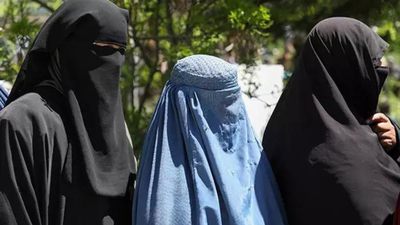
The cultural context of Iran, where values of emotional restraint and group harmony often discourage open expression, is critical. These norms can disproportionately affect women and create barriers to achieving SDG 5 (Gender Equality).
- The study sample (59.9% female) reflects the demographics of Iranian medical schools but also highlights the need for further research with sufficient statistical power to analyze gender differences in trauma response, as men and women often differ in emotional processing and coping strategies.
- Cultural barriers, including fear of social judgment and traditional gender roles, compound the negative effects of trauma and inhibit access to support, directly challenging the targets of SDG 5.
SDG 16: The Role of Strong and Trusted Institutions
The research indicates that students may lack trust in institutional support systems, such as university counseling centers. This weakens the link between self-disclosure and receiving support, undermining the objective of SDG 16.6 to develop effective, accountable, and transparent institutions.
Methodological Considerations
The study’s limitations should be considered when interpreting the findings:
- The cross-sectional design prevents causal conclusions. Longitudinal studies are needed to track the impact of trauma over time.
- Self-reported data may be subject to recall bias and social desirability, particularly concerning sensitive topics like abuse in a context with cultural stigma.
- The measurement tools used were not fully validated in Persian-speaking populations, potentially affecting construct validity.
- Data collection during the COVID-19 pandemic may have influenced student stress levels and perceptions of support.
- The model did not include potential confounding variables such as socioeconomic background or current mental health status.
Recommendations for Policy and Practice to Advance the SDGs
The findings support the implementation of trauma-informed and culturally sensitive interventions within educational institutions to advance SDGs 3, 4, 5, and 16.
Institutional and Programmatic Interventions
- Enhance Supportive Learning Environments (SDG 4): Universities should establish peer mentorship programs and communication skills workshops to foster safe emotional dialogue and healthy self-expression.
- Promote Mental Health and Well-being (SDG 3): Institutions must offer confidential, accessible counseling services and launch anti-stigma campaigns to normalize help-seeking behaviors. A pilot program like Mental Health First Aid could be evaluated.
- Advance Gender Equality (SDG 5): Psychoeducation campaigns are needed to address stigma around emotional vulnerability and challenge restrictive gender roles that prevent individuals from seeking support.
- Build Stronger Institutions (SDG 16): Faculty should receive training in trauma-informed education and mental health literacy to build a more supportive and trusted academic community.
National Policy and Partnerships (SDG 17)
Sustainable impact requires a multi-level approach consistent with SDG 17 (Partnerships for the Goals).
- National education and health policymakers should collaborate to integrate mental well-being into curricula and policy frameworks.
- Targeted funding and resources must be allocated to support student mental health initiatives at the institutional level.
Analysis of Sustainable Development Goals in the Article
1. Which SDGs are addressed or connected to the issues highlighted in the article?
The article on childhood trauma and psychological security among Iranian medical students connects to several Sustainable Development Goals (SDGs). The primary focus on mental health, the educational context, gender-specific cultural norms, and the root issue of childhood abuse links the research to goals concerning health, education, gender equality, and justice.
- SDG 3: Good Health and Well-being: The entire study is centered on mental health, specifically “psychological security,” “mental well-being,” and the long-term psychological impacts of “childhood trauma,” such as an increased risk of PTSD.
- SDG 4: Quality Education: The research is conducted within an educational setting, focusing on “Iranian medical students.” It provides recommendations for improving the educational environment through “trauma-informed education,” “peer mentorship programs,” and accessible “university counseling centers” to support student well-being and create a safe learning environment.
- SDG 5: Gender Equality: The article explicitly discusses gender dynamics. It notes that cultural norms discouraging emotional expression are particularly prevalent “among women” and that “Cultural stigma, particularly toward women reporting abuse, likely contributed to underreporting.” It also highlights the need for “robust gender-based comparative analyses” due to differences in trauma response between men and women.
- SDG 16: Peace, Justice and Strong Institutions: The article’s investigation into “childhood trauma,” “childhood abuse,” and “child maltreatment” directly addresses the issue of violence against children, which is a core component of this goal.
2. What specific targets under those SDGs can be identified based on the article’s content?
Based on the issues discussed, the following specific SDG targets can be identified:
- Target 3.4: “By 2030, reduce by one third premature mortality from non-communicable diseases through prevention and treatment and promote mental health and well-being.”
- Explanation: The article directly contributes to the “promote mental health and well-being” component of this target. It investigates factors like “childhood trauma” that undermine “psychological security” and proposes interventions such as “confidential counseling services” and “psychoeducation campaigns” to enhance students’ emotional well-being.
- Target 4.a: “Build and upgrade education facilities that are child, disability and gender sensitive and provide safe, non-violent, inclusive and effective learning environments for all.”
- Explanation: The study’s recommendations aim to create a safer and more supportive learning environment. Suggestions to implement “trauma-informed and culturally sensitive interventions,” “peer mentorship programs to foster safe and trusting emotional dialogue,” and anti-stigma campaigns are all actions toward making the educational environment more inclusive and effective for students, especially those affected by trauma.
- Target 5.2: “Eliminate all forms of violence against all women and girls in the public and private spheres…”
- Explanation: The article touches upon this target by highlighting the specific vulnerabilities of women concerning childhood abuse. It notes that “Cultural stigma, particularly toward women reporting abuse, likely contributed to underreporting,” indicating a gender-specific barrier to addressing and eliminating violence.
- Target 16.2: “End abuse, exploitation, trafficking and all forms of violence against and torture of children.”
- Explanation: The article’s entire premise is based on the long-term consequences of “childhood trauma,” “childhood abuse,” and “child maltreatment.” By studying its impact, the article underscores the importance of preventing these forms of violence against children to ensure their future well-being.
3. Are there any indicators mentioned or implied in the article that can be used to measure progress towards the identified targets?
The article implies several indicators that could be used to measure progress:
- For Target 3.4:
- Prevalence of mental health conditions: The article links trauma to an “increased risk of post-traumatic stress disorder (PTSD),” suggesting that tracking the prevalence of such conditions among students is a key indicator of mental well-being.
- Levels of psychological security: The central variable of the study, “psychological security,” serves as a direct measure of mental well-being in the student population.
- Rates of help-seeking behaviors: The article discusses how “mental health stigma and emotional restraint may inhibit help-seeking behaviors.” An increase in students accessing counseling services would indicate progress.
- For Target 4.a:
- Availability and use of student support services: The recommendation to offer “confidential counseling services accessible without bureaucratic hurdles” and “peer mentorship programs” implies that the existence and utilization rates of these services are indicators of a supportive learning environment.
- Student perception of safety and support: The concept of “psychological security” within the academic context can be used as an indicator to measure how safe and supported students feel.
- For Target 5.2:
- Gender-disaggregated data on trauma and abuse reporting: The article’s concern that abuse is underreported, “particularly toward women,” implies that tracking reporting rates by gender is a necessary indicator to understand the scope of violence and the effectiveness of anti-stigma campaigns.
- For Target 16.2:
- Prevalence of adverse childhood experiences: The study’s focus on “childhood trauma” and “childhood abuse” implies that the self-reported prevalence of these experiences among the population is a direct indicator of the extent of violence against children.
4. Table of SDGs, Targets, and Indicators
| SDGs | Targets | Indicators (Implied from the Article) |
|---|---|---|
| SDG 3: Good Health and Well-being | 3.4: Promote mental health and well-being. |
|
| SDG 4: Quality Education | 4.a: Provide safe, non-violent, inclusive and effective learning environments for all. |
|
| SDG 5: Gender Equality | 5.2: Eliminate all forms of violence against all women and girls. |
|
| SDG 16: Peace, Justice and Strong Institutions | 16.2: End abuse, exploitation, trafficking and all forms of violence against and torture of children. |
|
Source: bmcpsychology.biomedcentral.com
What is Your Reaction?
 Like
0
Like
0
 Dislike
0
Dislike
0
 Love
0
Love
0
 Funny
0
Funny
0
 Angry
0
Angry
0
 Sad
0
Sad
0
 Wow
0
Wow
0