






















































Climate Change: Oceanic heat wave from global warming could endanger marine life, Bay Area scientists say – ABC7 San Francisco

Report on Marine Heatwave Impacts in the North Pacific and Implications for Sustainable Development Goals
Executive Summary: Climate Action and Marine Ecosystems Under Threat
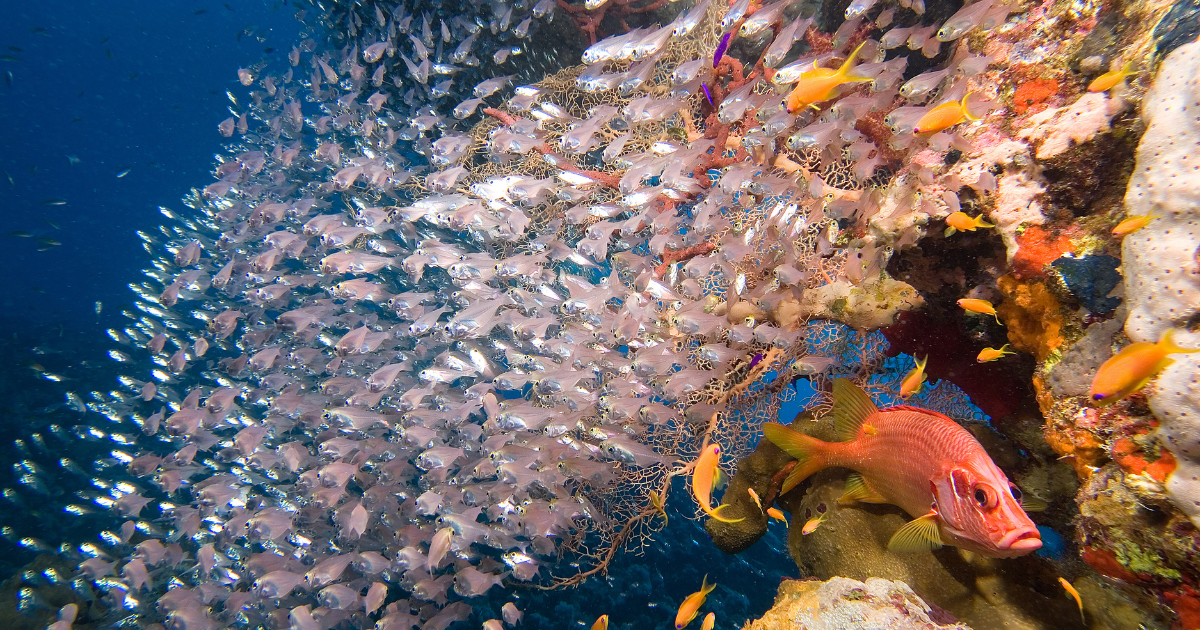
A significant marine heatwave, colloquially known as a “blob,” is currently impacting the North Pacific Ocean, with temperatures reaching historic highs. This phenomenon poses a direct threat to marine biodiversity and the stability of ocean ecosystems, challenging the achievement of key United Nations Sustainable Development Goals (SDGs), particularly SDG 13 (Climate Action) and SDG 14 (Life Below Water). This report details the observed ecological disruptions and their connection to global sustainability targets.
Analysis of Climate-Induced Marine Stress (SDG 13 & SDG 14)
The current mass of warm water is one of the largest on record, representing a critical climate-related stressor on the marine environment. The effects of this heatwave underscore the urgent need for climate action as outlined in SDG 13.
- Forced Migration of Keystone Species: Marine ecologists from Pt. Blue Conservation Science report a dramatic shift in whale populations off the Northern California coast.
- Disruption of Food Webs: The warming waters are altering the distribution of primary food sources like krill, forcing predators to seek sustenance in new, often more hazardous, locations.
Impacts on Marine Biodiversity and Ecosystems (SDG 14: Life Below Water)
The heatwave is causing severe disruptions to marine life, directly undermining the objectives of SDG 14 to conserve and sustainably use the oceans, seas, and marine resources.
-
Whale Population Displacement and Increased Risk
Monitoring cruises have documented a significant decline in whale sightings in their traditional deep-water feeding grounds.
- Blue whale sightings have fallen from over 40 in the previous year to just two.
- Humpback whale counts have decreased from approximately 170 to between 50 and 60.
- Displaced whales are moving closer to shore, increasing their vulnerability to human activities. This elevates the risk of ship strikes and entanglement in fishing gear, conflicting with targets for reducing marine pollution and protecting marine life.
-
Cascading Ecological Effects and Habitat Degradation
Previous marine heatwaves have demonstrated the potential for catastrophic, cascading effects on the ecosystem.
- A 2016 event triggered a sea star wasting disease, eliminating a key predator of sea urchins.
- The subsequent explosion in the sea urchin population led to the widespread destruction of vital kelp forests, which serve as critical habitats and carbon sinks.
-
Northward Species Migration
Multiple species are shifting their habitats northward in response to rising ocean temperatures, indicating a large-scale ecosystem reorganization.
- Juvenile great white sharks are now found in shoreline nurseries along Monterey Bay, north of their typical range.
- Bottlenose dolphins, once primarily in Southern California, are now frequently sighted off the coast of San Francisco.
Proactive Management and Collaborative Efforts (SDG 17: Partnerships for the Goals)
Addressing these challenges requires proactive management and collaboration, reflecting the principles of SDG 17 (Partnerships for the Goals). Organizations like The Marine Mammal Center are advocating for responsive strategies to mitigate harm.
- Monitoring ocean temperatures and conditions is crucial to understanding and predicting whale distribution patterns.
- This data can inform management efforts to reduce the co-occurrence of large whales and human activities such as shipping and fishing.
- Such collaborative efforts between scientific bodies and conservation groups are essential for developing adaptive strategies to protect marine ecosystems in the face of climate change.
Conclusion
The North Pacific marine heatwave is a clear manifestation of the climate crisis, with profound consequences for marine biodiversity and ecosystem health. The observed species displacement, food web disruption, and increased risk to marine mammals present a significant challenge to achieving SDG 14 (Life Below Water) and highlight the interconnectedness of climate, biodiversity, and sustainable human activity. Continued monitoring and collaborative, proactive management are imperative to mitigate the impacts and work towards global sustainability targets.
SDGs Addressed in the Article
Explanation
The article discusses issues that are directly and indirectly connected to two specific Sustainable Development Goals. The analysis below explains the relevance of each SDG based on the content provided.
-
SDG 13: Climate Action
The article’s central theme is the impact of a marine heatwave, described as a “blob” of warm water with “historic highs” in ocean temperatures. This phenomenon is a direct consequence of climate change. The article implicitly links these events to broader climate issues by mentioning how scientists blame climate change for other environmental changes. Therefore, the entire discussion on the causes and effects of the marine heatwave falls under the purview of taking urgent action to combat climate change and its impacts.
-
SDG 14: Life Below Water
This is the most prominent SDG in the article. The text details the profound and adverse effects of rising ocean temperatures on marine ecosystems and biodiversity. It highlights the disruption of the food chain (disappearance of krill), the forced migration of species like whales, sharks, and dolphins, the increased risk to these animals from human activities (ship strikes, fishing net entanglement), and the collapse of critical habitats like kelp forests due to cascading ecological events (death of sea stars leading to an increase in sea urchins). These issues directly relate to the goal of conserving and sustainably using the oceans, seas, and marine resources.
Specific SDG Targets Identified
Explanation
Based on the specific problems and solutions discussed in the article, several targets under the identified SDGs can be pinpointed.
-
Target 13.1: Strengthen resilience and adaptive capacity to climate-related hazards and natural disasters.
The marine heatwave is a climate-related hazard. The article discusses the vulnerability of the marine ecosystem to this hazard, evidenced by the disruption of food sources and species migration. The call from the Marine Mammal Center for “proactive management efforts” to reduce risks to whales is a direct reference to building adaptive capacity to cope with the consequences of this climate-related event.
-
Target 14.2: Sustainably manage and protect marine and coastal ecosystems to avoid significant adverse impacts.
The article provides clear examples of significant adverse impacts on marine ecosystems. The ecologist’s concern about whales being forced closer to shore, the collapse of the sea star population, and the subsequent destruction of “miles of critical kelp forests” all point to a failure to protect these ecosystems. The research and monitoring activities described in the article are essential first steps toward sustainable management and protection.
-
Target 14.5: Conserve at least 10 per cent of coastal and marine areas.
While the article does not explicitly mention marine protected areas, the discussion about managing the “co-occurrence between large whales and human activity” implies the need for conservation measures. Efforts to prevent ship strikes and entanglement in specific areas where whales are now congregating are a form of spatial management aimed at conserving a vulnerable species, which aligns with the principle of this target.
Indicators for Measuring Progress
Explanation
The article mentions or implies several specific data points and observations that can be used as indicators to measure the state of the marine environment and track progress towards the identified targets.
-
Ocean Temperature
The article explicitly states that “Ocean temperatures in the North Pacific have been recording historic highs.” Tracking ocean temperature is a direct indicator of the impact of climate change on marine environments (relevant to SDG 13 and 14).
-
Population Counts of Key Marine Species
The marine ecologist provides specific numbers: “We only saw two blue whales… compared to more than 40 that we saw last year,” and “between 50 and 60 humpback whales, compared to 170 some.” These population counts serve as a direct indicator of species health and the availability of their food sources, measuring the impact on biodiversity (relevant to SDG 14).
-
Geographic Distribution and Migration Patterns of Marine Species
The article notes that whales are moving “closer to shore,” juvenile great white sharks are appearing “miles north of their normal habitats,” and bottlenose dolphins are coming “further north.” Monitoring these shifts in species distribution is a key indicator of ecosystem-level changes driven by climate change (relevant to SDG 13 and 14).
-
Incidents of Negative Human-Wildlife Interaction
The text highlights the increased risk of whales being “struck by passing ships or tangled in fishing nets.” The number of such incidents would be a critical indicator for measuring the effectiveness of management and conservation efforts (relevant to SDG 14).
-
Health and Coverage of Critical Habitats
The article describes how a previous heatwave led to urchins “gobbling up miles of critical kelp forests.” The area and health of kelp forests can be measured and used as an indicator of the overall health and resilience of the coastal marine ecosystem (relevant to SDG 14).
Summary of Findings
| SDGs | Targets | Indicators |
|---|---|---|
| SDG 13: Climate Action | 13.1: Strengthen resilience and adaptive capacity to climate-related hazards. |
|
| SDG 14: Life Below Water | 14.2: Sustainably manage and protect marine and coastal ecosystems to avoid significant adverse impacts. |
|
| 14.5: Conserve coastal and marine areas. |
|
Source: abc7news.com
What is Your Reaction?
 Like
0
Like
0
 Dislike
0
Dislike
0
 Love
0
Love
0
 Funny
0
Funny
0
 Angry
0
Angry
0
 Sad
0
Sad
0
 Wow
0
Wow
0