


















































Measure to Conserve: How Forests Ensure Environmental and Social Balance in Colombia – Noticias Ambientales

Report on Sustainable Forest Management and its Contribution to the Sustainable Development Goals
Executive Summary
This report analyzes Colombia’s recent progress in reducing deforestation and the broader implications for achieving the Sustainable Development Goals (SDGs). For the third consecutive year, Colombia has lowered its deforestation rate, a significant step towards fulfilling its commitments under SDG 15 (Life on Land). The success highlights the critical role of forests in providing ecosystem services essential for environmental balance and human well-being. The implementation of tools such as the Forest Stewardship Council (FSC) “Verified Impact” framework is instrumental in quantifying these contributions, thereby strengthening efforts related to SDG 13 (Climate Action), SDG 6 (Clean Water and Sanitation), and SDG 17 (Partnerships for the Goals). This report underscores the necessity of integrating verifiable impact measurement into national and regional strategies to ensure a sustainable future.
Colombia’s Progress in Aligning with SDG 15: Life on Land
Colombia, a nation where forests cover over half of the territory, has reported a reduction in deforestation for the third consecutive year. This achievement is a direct contribution to the targets of SDG 15, which aims to protect, restore, and promote the sustainable use of terrestrial ecosystems and sustainably manage forests.
Key Achievements and Challenges
- Sustained Reduction in Deforestation: The consistent decline in forest loss demonstrates a positive trend in national conservation policies.
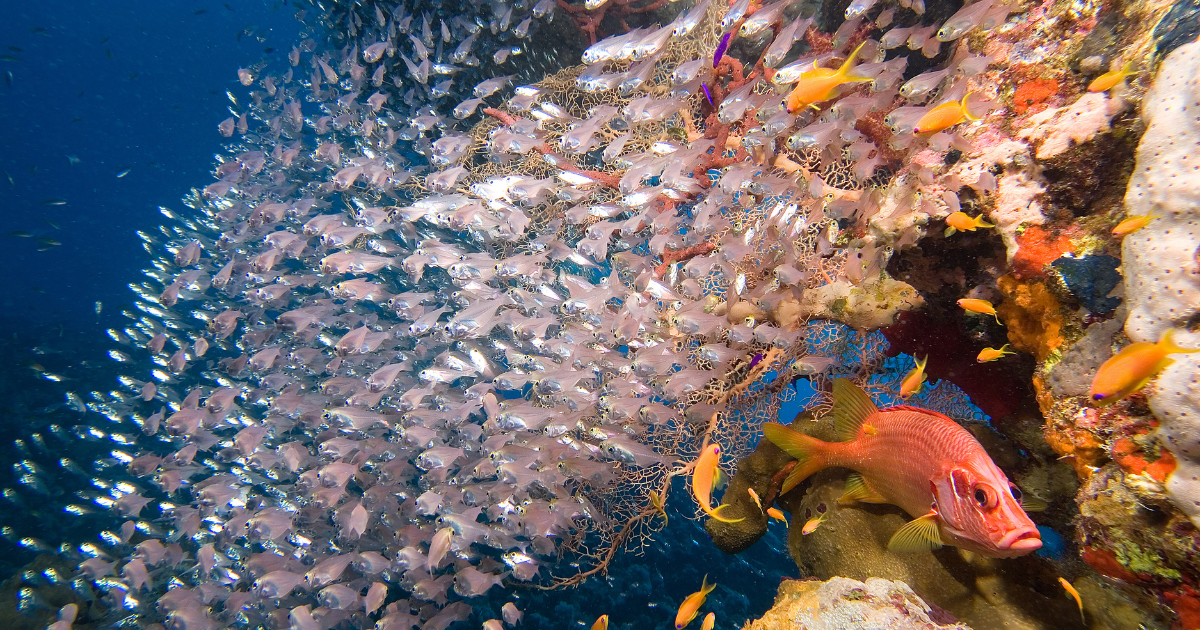
- Protection of Biodiversity Hotspots: Colombian forests are home to some of the richest biodiversity in South America, and their protection is vital for halting biodiversity loss as mandated by SDG 15.
- Support for Local Economies: Sustainable management supports thousands of communities that depend directly on forest resources, contributing to SDG 8 (Decent Work and Economic Growth).
Despite this progress, significant threats persist that challenge the long-term achievement of SDG 15:
- Agricultural expansion
- Illegal mining
- Uncontrolled logging
The Role of Ecosystem Services in Achieving Global Goals
Forests provide essential ecosystem services that are fundamental to achieving multiple SDGs. Their conservation is not merely an environmental issue but a strategic imperative for sustainable development.
Contribution to SDG 13 (Climate Action) and SDG 6 (Clean Water)
- Climate Action (SDG 13): Forests act as critical carbon sinks, capturing atmospheric carbon dioxide and regulating the global climate. Their preservation is one of the most effective nature-based solutions to combat climate change.
- Clean Water and Sanitation (SDG 6): Forest ecosystems regulate water cycles and protect freshwater sources, ensuring the availability of clean water for both human consumption and agriculture.
- Life on Land (SDG 15): Forests protect soil from erosion, maintaining land productivity and preventing desertification.
A Framework for Verifiable Impact: The FSC Initiative
To advance conservation efforts, it is necessary to demonstrate their positive impact with empirical evidence. The Forest Stewardship Council (FSC) has developed the “FSC Verified Impact” tool to meet this need, promoting transparency and accountability in line with SDG 12 (Responsible Consumption and Production).
The “FSC Verified Impact” Tool
This tool facilitates the measurement of the benefits of responsible forest management through a set of clear indicators, directly linking forest health to specific SDG targets.
- Biodiversity: Tracks the health of ecosystems (SDG 15).
- Clean Water: Measures the impact on water quality and availability (SDG 6).
- Healthy Soils: Assesses soil protection and health (SDG 15).
- Carbon Storage: Quantifies carbon sequestration, contributing to climate mitigation efforts (SDG 13).
Regional Implementation and the Importance of SDG 17: Partnerships for the Goals
Latin America’s Commitment
Latin America is a leader in adopting verifiable sustainable forest management, with over half of the 96 global “FSC Verified Impact” projects located in the region, covering more than 3.5 million hectares. These initiatives prove that environmental conservation can coexist with local development, creating a model for achieving both SDG 15 and SDG 8.
Strategic Recommendations for Future Action
To build on current momentum and address the scale of the climate crisis, a collaborative approach is essential, directly reflecting the principles of SDG 17 (Partnerships for the Goals).
- Strengthen Governance: Public policies, regulatory frameworks, and economic incentives must be aligned to support and scale up private conservation initiatives.
- Foster Multi-stakeholder Collaboration: Enhanced cooperation between governments, companies, and local communities is critical to multiplying positive outcomes and ensuring that conservation efforts are effective and equitable.
- Prioritize Impact Measurement: The systematic measurement of ecosystem services is a strategic necessity to demonstrate the value of forests and secure long-term investment in their protection for a sustainable future.
Analysis of Sustainable Development Goals in the Article
1. Which SDGs are addressed or connected to the issues highlighted in the article?
-
SDG 15: Life on Land
This is the most prominent SDG in the article. The text focuses entirely on the importance of forests, the reduction of deforestation in Colombia, responsible forest management, and the conservation of biodiversity. It states that “more than 50% of the [Colombian] territory is covered by forests” and that these areas “support the richest biodiversity in South America.”
-
SDG 13: Climate Action
The article directly links forests to climate regulation. It describes forests as “one of the planet’s greatest allies against climate change,” highlighting their function in “capturing carbon dioxide,” “releasing oxygen,” and “regulating the climate.”
-
SDG 6: Clean Water and Sanitation
The role of forests in maintaining water resources is explicitly mentioned. The article notes that forests “provide water,” “purify the air,” and “conserve sources of essential freshwater for agriculture and human consumption.”
-
SDG 12: Responsible Consumption and Production
The concept of sustainable and responsible use of natural resources is a central theme. The article discusses “responsible forest management” and the “FSC Verified Impact” tool, which aims to “ensure that sustainable forest management is also verifiable and accessible.”
-
SDG 17: Partnerships for the Goals
The article concludes by emphasizing the need for collaboration to achieve conservation goals. It states that “cooperation between governments, companies, and local communities will be key to multiplying results” and calls for a “solid governance system” involving public policies and private initiatives.
2. What specific targets under those SDGs can be identified based on the article’s content?
-
Under SDG 15 (Life on Land):
- Target 15.2: “By 2020, promote the implementation of sustainable management of all types of forests, halt deforestation, restore degraded forests and substantially increase afforestation and reforestation globally.” The article’s main topic is Colombia’s “reduction in deforestation” and the promotion of “sustainable forest management” through initiatives like the FSC certification.
- Target 15.5: “Take urgent and significant action to reduce the degradation of natural habitats, halt the loss of biodiversity and, by 2020, protect and prevent the extinction of threatened species.” The article mentions that forests “support the richest biodiversity in South America” and that the FSC tool includes measurable indicators for “biodiversity.”
-
Under SDG 13 (Climate Action):
- Target 13.2: “Integrate climate change measures into national policies, strategies and planning.” The article advocates for strengthening “public policies, regulatory frameworks, and economic incentives” to support conservation efforts as a response to the “magnitude of the climate crisis.”
-
Under SDG 6 (Clean Water and Sanitation):
- Target 6.6: “By 2020, protect and restore water-related ecosystems, including mountains, forests, wetlands, rivers, aquifers and lakes.” The text emphasizes that forests “provide water” and “conserve sources of essential freshwater,” directly linking forest health to water ecosystem protection.
-
Under SDG 12 (Responsible Consumption and Production):
- Target 12.2: “By 2030, achieve the sustainable management and efficient use of natural resources.” The entire discussion on “responsible forest management” and the use of certification schemes to verify sustainable practices directly relates to this target.
-
Under SDG 17 (Partnerships for the Goals):
- Target 17.17: “Encourage and promote effective public, public-private and civil society partnerships, building on the experience and resourcing strategies of partnerships.” The article’s call for “cooperation between governments, companies, and local communities” is a direct reflection of this target.
3. Are there any indicators mentioned or implied in the article that can be used to measure progress towards the identified targets?
Yes, the article mentions and implies several indicators:
- Rate of deforestation: The article begins by stating that “Colombia reports a reduction in deforestation,” which is a direct quantitative indicator of progress towards halting deforestation (Target 15.2).
- Area of sustainably managed forests: The article provides specific figures, such as “more than 216 mil hectáreas certificadas” in Colombia and “more than 3.5 million hectares” in the region under the FSC scheme. This serves as an indicator for the implementation of sustainable forest management (Target 15.2).
- Ecosystem service metrics: The “FSC Verified Impact” tool is highlighted for using “measurable indicators on biodiversity, clean water, healthy soils, and carbon storage.” These are specific, technical indicators used to measure the positive impacts of conservation on biodiversity (Target 15.5), water resources (Target 6.6), and climate action (SDG 13).
4. Summary Table of SDGs, Targets, and Indicators
| SDGs | Targets | Indicators Identified in the Article |
|---|---|---|
| SDG 15: Life on Land | 15.2: Halt deforestation and promote sustainable management of all types of forests. |
|
| SDG 15: Life on Land | 15.5: Halt the loss of biodiversity. |
|
| SDG 13: Climate Action | 13.2: Integrate climate change measures into policies. |
|
| SDG 6: Clean Water and Sanitation | 6.6: Protect and restore water-related ecosystems. |
|
| SDG 12: Responsible Consumption and Production | 12.2: Achieve the sustainable management and efficient use of natural resources. |
|
| SDG 17: Partnerships for the Goals | 17.17: Encourage and promote effective public, public-private and civil society partnerships. |
|
Source: noticiasambientales.com
What is Your Reaction?
 Like
0
Like
0
 Dislike
0
Dislike
0
 Love
0
Love
0
 Funny
0
Funny
0
 Angry
0
Angry
0
 Sad
0
Sad
0
 Wow
0
Wow
0