
























































Redditch upgrades waste collection fleet with new bin lorries – BBC
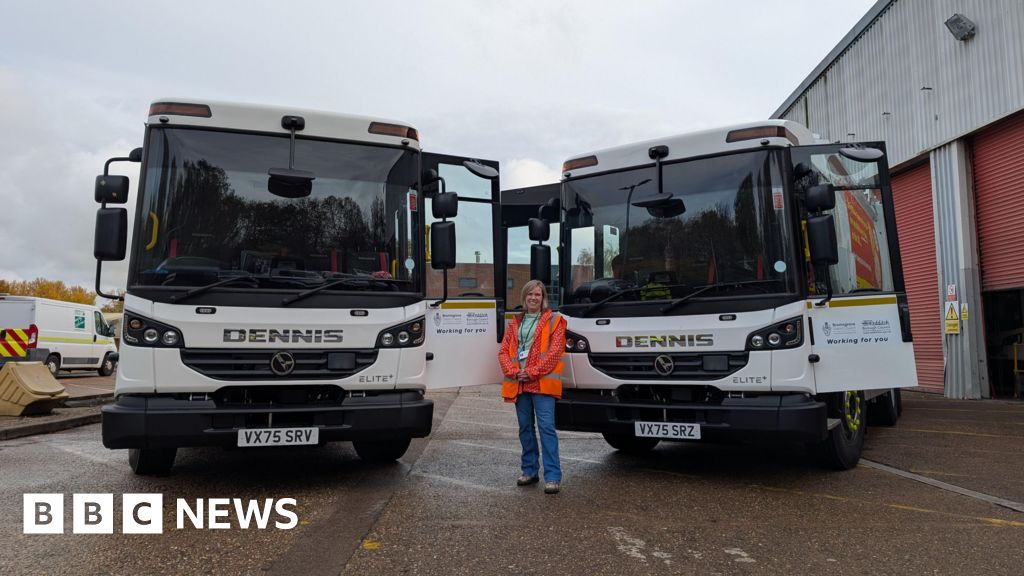
Redditch Council Fleet Modernisation Aligns with Sustainable Development Goals
Executive Summary
Redditch Borough Council has initiated a strategic vehicle replacement programme, investing approximately £2.1 million in five new refuse collection lorries. This measure is designed to replace aging vehicles, thereby enhancing the efficiency and reliability of municipal waste services. The investment directly supports several key United Nations Sustainable Development Goals (SDGs), particularly those concerning urban infrastructure, responsible consumption, and sustainable communities.
Contribution to SDG 11: Sustainable Cities and Communities
The fleet upgrade is a critical investment in municipal infrastructure, directly addressing Target 11.6, which aims to reduce the adverse environmental impact of cities through improved waste management.
- Enhanced Waste Management: The new, reliable vehicles ensure the consistent collection of waste from over two million bins annually, preventing the accumulation of refuse and contributing to a cleaner, healthier urban environment for residents.
- Resilient Infrastructure: By replacing vehicles at the end of their seven-year service life, the council is building a resilient and dependable waste collection system, a cornerstone of a sustainable city.
- Improved Service Quality: Council Leader Sharon Harvey confirmed the commitment to “efficient, reliable, and resilient waste collection services,” ensuring that the necessary systems are in place to deliver high-quality public services.
Advancing SDG 12: Responsible Consumption and Production
This initiative reinforces the infrastructure necessary for effective waste management systems, which is fundamental to achieving sustainable consumption and production patterns.
- Supporting Recycling and Waste Reduction: A reliable collection fleet is essential for the success of recycling and waste reduction programmes, which depend on consistent public participation and operational efficiency.
- Circular Economy Principles: The council’s plan to sell the old trucks promotes reuse over disposal. The proceeds will be reinvested into the public purse, creating a sustainable financial loop that improves other services.
Supporting SDG 9: Industry, Innovation, and Infrastructure
The investment represents a direct upgrade to essential public infrastructure, aligning with the goal of developing quality, reliable, and sustainable systems to support community well-being.
- Strategic Investment: The £2.1 million allocation is part of a “strategic replacement programme” aimed at maintaining and improving critical local infrastructure.
- Operational Capacity: The modernisation supports a nine-vehicle fleet, ensuring it has the right tools and vehicles to manage its significant operational workload effectively.
- Long-Term Reliability: The proactive replacement schedule mitigates the risk of service disruptions from mechanical failures associated with an aging fleet, ensuring long-term service reliability.
Analysis of Sustainable Development Goals (SDGs) in the Article
1. Which SDGs are addressed or connected to the issues highlighted in the article?
-
SDG 11: Sustainable Cities and Communities
This goal is directly addressed as the article focuses on a core municipal service—waste collection—which is essential for creating clean, healthy, and sustainable urban environments. The council’s investment in new bin lorries is an action to improve basic services for its residents, as stated by Council leader Sharon Harvey: “We’re committed to ensuring people in Redditch get efficient, reliable, and resilient waste collection services.”
-
SDG 9: Industry, Innovation and Infrastructure
The article highlights investment in local infrastructure. The purchase of new vehicles under a “strategic replacement programme” with a budget of “about £2.1m” is a clear example of developing and upgrading infrastructure to ensure it remains reliable and resilient. This supports the goal of building resilient infrastructure to support human well-being.
-
SDG 12: Responsible Consumption and Production
While the article focuses on waste collection rather than reduction, an effective and reliable collection system is a fundamental prerequisite for sustainable waste management, including recycling and reuse. By ensuring the proper collection of waste from “more than two million bins a year,” the council is managing the downstream effects of consumption and production patterns within the community.
2. What specific targets under those SDGs can be identified based on the article’s content?
-
Target 11.6: Reduce the adverse environmental impact of cities
This target aims to “reduce the adverse per capita environmental impact of cities, including by paying special attention to air quality and municipal and other waste management.” The article’s entire subject is the improvement of the municipal waste collection system in Redditch, which is a direct action towards fulfilling this target.
-
Target 9.1: Develop quality, reliable, sustainable and resilient infrastructure
This target focuses on developing infrastructure to support economic development and human well-being. The council’s decision to replace old vehicles that have “reached the end of their service life” with new ones is a direct investment in maintaining a “reliable” and “resilient” infrastructure for waste management services.
-
Target 12.5: Substantially reduce waste generation
This target aims to “substantially reduce waste generation through prevention, reduction, recycling, and reuse.” An efficient collection fleet is the first step in a functional waste management chain that allows for sorting, recycling, and proper disposal. The council’s effort to deliver a “high-quality service” is foundational to achieving higher-level waste management goals like recycling, which contributes to this target.
3. Are there any indicators mentioned or implied in the article that can be used to measure progress towards the identified targets?
-
Indicator for Target 11.6:
The article mentions that the fleet “empties more than two million bins a year.” This figure serves as an implied indicator of the volume of municipal solid waste being collected and managed. Ensuring the collection service is reliable through new vehicles helps maintain a high proportion of waste collected, which aligns with the official indicator 11.6.1 (Proportion of municipal solid waste collected and managed in controlled facilities).
-
Indicator for Target 9.1:
The investment of “about £2.1m” is a direct financial indicator of the resources allocated to upgrading and maintaining local infrastructure. Furthermore, the policy of replacing vehicles “about every seven years to maintain service reliability” is an indicator of a planned, strategic approach to ensuring infrastructure resilience and quality.
-
Indicator for Target 12.5:
The article does not provide direct indicators for waste reduction, such as recycling rates. However, the “two million bins” collected annually can be used as a baseline indicator for the total volume of waste generated and managed. Progress towards Target 12.5 could be measured in the future by tracking the reduction in this number or analyzing the composition of the waste collected for recycling.
4. Summary Table of SDGs, Targets, and Indicators
| SDGs | Targets | Indicators (Mentioned or Implied in the Article) |
|---|---|---|
| SDG 11: Sustainable Cities and Communities | Target 11.6: By 2030, reduce the adverse per capita environmental impact of cities, including by paying special attention to air quality and municipal and other waste management. | The volume of waste managed, implied by the collection of “more than two million bins a year.” |
| SDG 9: Industry, Innovation and Infrastructure | Target 9.1: Develop quality, reliable, sustainable and resilient infrastructure… to support economic development and human well-being. | Financial investment of “about £2.1m” in new vehicles; A planned replacement cycle of “about every seven years” to maintain reliability. |
| SDG 12: Responsible Consumption and Production | Target 12.5: By 2030, substantially reduce waste generation through prevention, reduction, recycling, and reuse. | The annual number of bins collected serves as a baseline indicator of waste generation against which reduction and recycling efforts can be measured. |
Source: bbc.com
What is Your Reaction?
 Like
0
Like
0
 Dislike
0
Dislike
0
 Love
0
Love
0
 Funny
0
Funny
0
 Angry
0
Angry
0
 Sad
0
Sad
0
 Wow
0
Wow
0