


















































S.1783: A Global Poverty Bill to Expand Energy Access – BORGEN Magazine

Report on S.1783: The Combating Global Poverty Through Energy Development Act
Introduction and Relation to Sustainable Development Goals (SDGs)
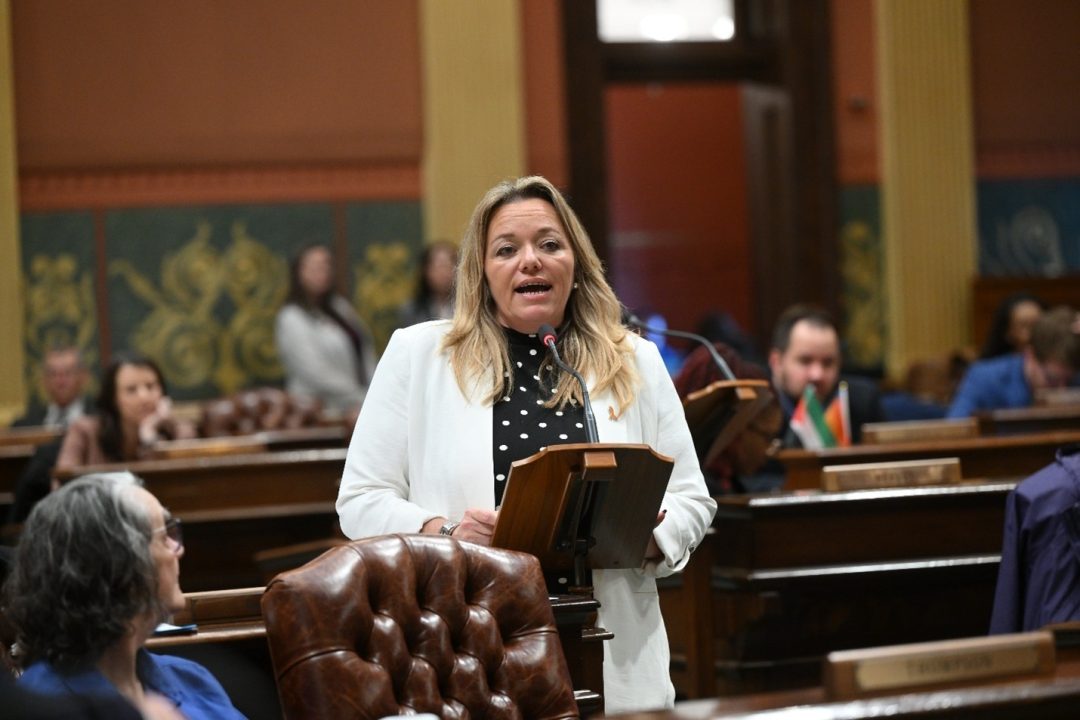
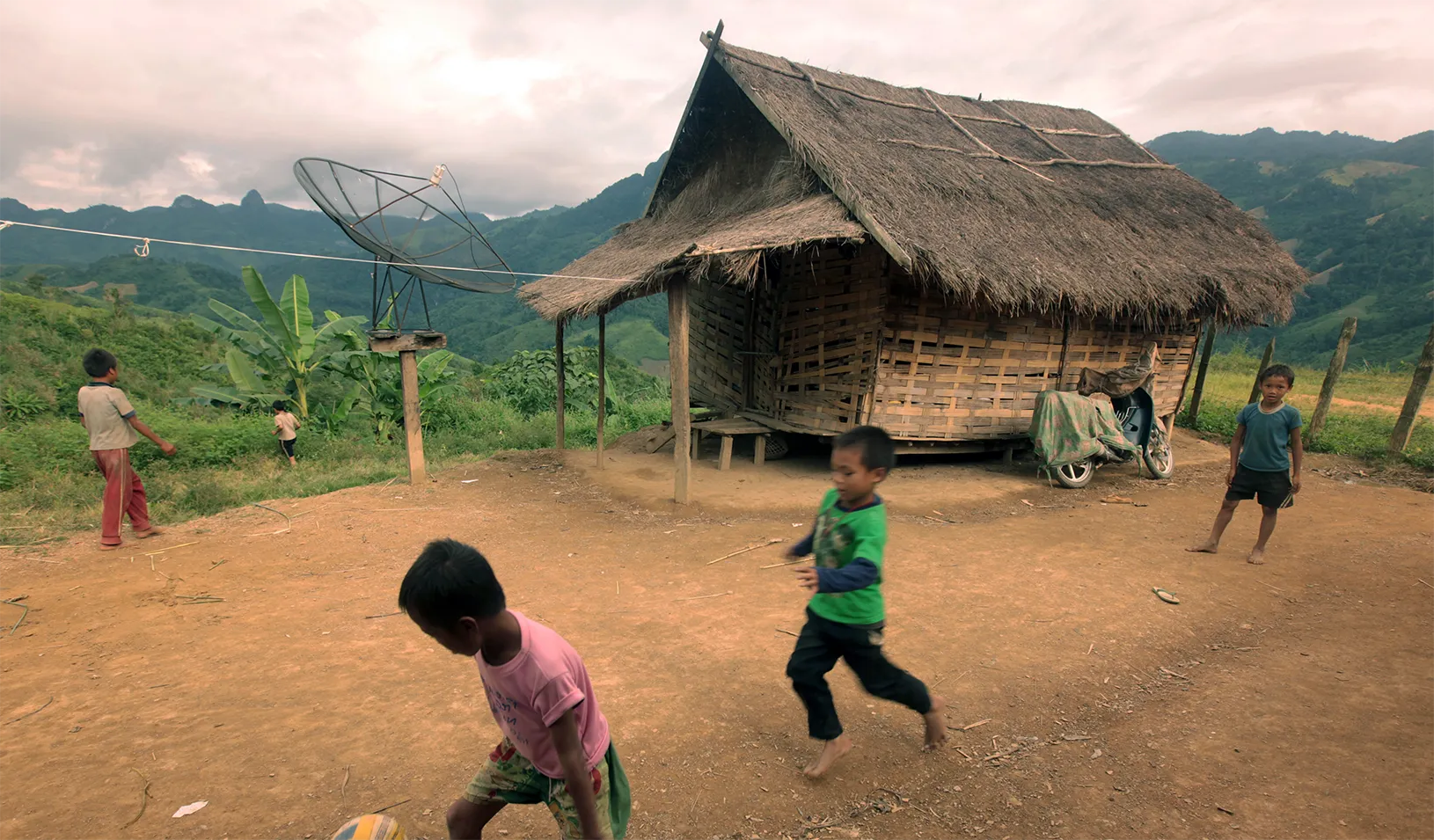
On May 15, 2025, U.S. Senator John Barrasso introduced S.1783, a bill aimed at combating global poverty by promoting traditional energy development. The legislation creates a significant policy tension between several key Sustainable Development Goals (SDGs). It prioritizes SDG 1 (No Poverty) and aspects of SDG 7 (Affordable and Clean Energy) by advocating for energy access, but potentially at the expense of SDG 13 (Climate Action) and other environmental and health-related goals.
Legislative Mandates and Alignment with SDG 17 (Partnerships for the Goals)
Core Directives of the Bill
The bill leverages the framework of SDG 17 by using the United States’ role in international partnerships to influence global financial policy. Its primary directives include:
- Compelling the U.S. Treasury Secretary, in collaboration with USAID and the U.S. International Development Finance Corporation (DFC), to advocate for financing traditional energy sources.
- Targeting international financial institutions, such as the World Bank and the International Monetary Fund (IMF), to oppose or rescind policies that restrict funding for coal, oil, natural gas, and civil nuclear power projects.
Enforcement and Financial Leverage
To ensure compliance, S.1783 establishes a financial enforcement mechanism that directly impacts international development cooperation:
- It authorizes the withholding of up to 50% of U.S. funding to the International Bank for Reconstruction and Development (IBRD), a key institution of the World Bank Group.
- Funding is contingent upon the Treasury Secretary certifying that the IBRD has removed its restrictions on fossil fuel financing and is actively promoting such projects.
Analysis of S.1783 Through the Lens of the SDGs
Arguments in Favor: Prioritizing SDG 1, SDG 7, and SDG 8
Proponents of the bill argue that it aligns with fundamental development goals by focusing on energy as a catalyst for progress.
- Addressing SDG 1 (No Poverty) and SDG 7 (Affordable and Clean Energy): The central argument is that energy access is a prerequisite for poverty eradication. With over 600 million people lacking stable electricity, the bill seeks to achieve Target 7.1 (ensure universal access to affordable, reliable and modern energy services) by removing financial barriers to what are considered reliable energy sources.
- Promoting SDG 8 (Decent Work and Economic Growth) and SDG 9 (Industry, Innovation, and Infrastructure): The legislation is intended to spur industrial growth, job creation, and the development of essential energy infrastructure in developing nations, thereby contributing to sustained economic growth.
Arguments in Opposition: Contradictions with SDG 3, SDG 11, and SDG 13
Critics, including environmental organizations, contend that the bill’s approach is counterproductive to long-term sustainable development and directly conflicts with several SDGs.
- Undermining SDG 13 (Climate Action): The primary concern is that promoting fossil fuels will lock developing countries into carbon-intensive infrastructure, undermining global efforts to combat climate change and its impacts.
- Jeopardizing SDG 3 (Good Health and Well-being): Increased reliance on fossil fuels for domestic use could exacerbate indoor air pollution, a significant health threat that contradicts Target 3.9 (substantially reduce the number of deaths and illnesses from hazardous chemicals and air, water and soil pollution and contamination).
- Slowing Progress on SDG 7 (Affordable and Clean Energy) and SDG 9 (Sustainable Infrastructure): Critics warn that prioritizing traditional energy could divert critical investment and resources away from renewable options like solar and wind. This would impede progress toward Target 7.2 (increase substantially the share of renewable energy) and the goal of building resilient and sustainable infrastructure under SDG 9.
Conclusion: A Policy Conflict Between Development and Sustainability Goals
S.1783 proposes a significant realignment of U.S. influence within international financial institutions. The bill frames the expansion of traditional energy financing as a direct path to achieving SDG 1 (No Poverty) and SDG 8 (Decent Work and Economic Growth). However, this strategy places these objectives in direct conflict with the global consensus on SDG 13 (Climate Action) and the clean energy and health targets within SDG 7 and SDG 3. The legislation highlights a core debate in international development regarding the balance between immediate energy needs and long-term environmental sustainability.
Which SDGs are addressed or connected to the issues highlighted in the article?
-
SDG 1: No Poverty
- The article directly addresses poverty reduction. The bill’s official title is “the Combating Global Poverty Through Energy Development Act,” and its proponents argue that increased energy access will lead to “poverty reduction” for “impoverished communities.”
-
SDG 7: Affordable and Clean Energy
- This goal is central to the article’s discussion. The primary justification for the bill is that “more than 600 million people lack access to stable electricity.” The debate revolves around the type of energy to be financed—”traditional energy sources, including coal, oil, gas and civil nuclear power” versus “renewable energy options like wind and solar.”
-
SDG 8: Decent Work and Economic Growth
- The article connects energy access to economic development. Proponents of the bill claim that financing traditional energy projects could “spur industrial growth, job creation” in developing nations.
-
SDG 3: Good Health and Well-being
- The article highlights health concerns associated with the proposed energy sources. Critics point out that “indoor air pollution from fossil fuel use remains a major health threat, particularly for vulnerable populations.”
-
SDG 13: Climate Action
- The climate implications of the bill are a major point of contention. Opposition groups argue that the bill “risks locking developing countries into carbon-intensive infrastructure, undermining global climate targets” and could slow progress toward “climate resilience.”
-
SDG 17: Partnerships for the Goals
- The article describes a mechanism involving international cooperation and finance. The bill directs the “U.S. Treasury Secretary to collaborate with USAID, the Export-Import Bank and the U.S. International Development Finance Corporation (DFC)” to influence policies within “institutions like the World Bank and the International Monetary Fund (IMF).” It also uses U.S. funding as leverage, which relates to the financial aspects of global partnerships.
What specific targets under those SDGs can be identified based on the article’s content?
-
SDG 1: No Poverty
- Target 1.a: “Ensure significant mobilization of resources from a variety of sources… to implement programmes and policies to end poverty in all its dimensions.” The bill aims to mobilize financial resources through international financial institutions to fund energy projects specifically for the purpose of “Combating Global Poverty.”
-
SDG 7: Affordable and Clean Energy
- Target 7.1: “By 2030, ensure universal access to affordable, reliable and modern energy services.” The article’s statement that “more than 600 million people lack access to stable electricity” directly addresses the core issue of this target.
- Target 7.a: “By 2030, enhance international cooperation to facilitate access to clean energy research and technology… and promote investment in energy infrastructure and clean energy technology.” The bill directly engages with this target by seeking to promote investment in energy infrastructure, but it controversially prioritizes traditional energy sources over the “clean energy” aspect of the target.
-
SDG 8: Decent Work and Economic Growth
- Target 8.1: “Sustain per capita economic growth in accordance with national circumstances…” The article states that a key goal of the bill is to “spur industrial growth, job creation,” which is a direct means of achieving economic growth.
-
SDG 3: Good Health and Well-being
- Target 3.9: “By 2030, substantially reduce the number of deaths and illnesses from hazardous chemicals and air, water and soil pollution and contamination.” The critics’ concern about “indoor air pollution from fossil fuel use” as a “major health threat” directly relates to this target.
-
SDG 13: Climate Action
- Target 13.a: “Implement the commitment undertaken by developed-country parties… to a goal of mobilizing jointly $100 billion annually… to address the needs of developing countries in the context of meaningful mitigation actions…” The bill’s focus on financing “carbon-intensive infrastructure” runs contrary to the goal of climate mitigation actions mentioned in this target, with critics noting it would “undermin[e] global climate targets.”
-
SDG 17: Partnerships for the Goals
- Target 17.3: “Mobilize additional financial resources for developing countries from multiple sources.” The article discusses compelling “international financial institutions to promote financing,” which is a form of mobilizing financial resources for developing countries.
Are there any indicators mentioned or implied in the article that can be used to measure progress towards the identified targets?
-
For SDG 7 (Affordable and Clean Energy)
- Indicator 7.1.1: Proportion of population with access to electricity. This is directly mentioned in the article: “more than 600 million people lack access to stable electricity.” The reduction of this number would be a key measure of the bill’s success.
- Indicator 7.a.1: International financial flows to developing countries in support of clean energy… and renewable energy production. This is implied by the central conflict of the bill. The article discusses the push to “promote financing for traditional energy sources” and the risk that this could “divert resources from renewable energy options.” Progress could be measured by tracking the volume of financing directed toward traditional versus renewable energy projects by institutions like the World Bank.
-
For SDG 3 (Good Health and Well-being)
- Indicator 3.9.1: Mortality rate attributed to household and ambient air pollution. This is implied by the critics’ warning that “indoor air pollution from fossil fuel use remains a major health threat.” An increase or lack of decrease in this rate in affected regions could be used to measure the negative health impacts.
-
For SDG 8 (Decent Work and Economic Growth)
- Indicator 8.1.1: Annual growth rate of real GDP per capita. This is implied by the proponents’ argument that the bill will “spur industrial growth.” Measuring the GDP growth rate in countries that receive funding for energy projects would be a way to assess this claim.
-
For SDG 1 (No Poverty)
- Indicator 1.1.1: Proportion of population living below the international poverty line. This is implied by the bill’s overarching goal of “Combating Global Poverty” and achieving “poverty reduction.” Measuring changes in poverty rates would be the ultimate indicator of the bill’s stated purpose.
SDGs, Targets and Indicators Table
| SDGs | Targets | Indicators |
|---|---|---|
| SDG 1: No Poverty | 1.a: Ensure significant mobilization of resources… to implement programmes and policies to end poverty. | (Implied) 1.1.1: Proportion of population living below the international poverty line. |
| SDG 3: Good Health and Well-being | 3.9: Substantially reduce the number of deaths and illnesses from… air… pollution and contamination. | (Implied) 3.9.1: Mortality rate attributed to household and ambient air pollution. |
| SDG 7: Affordable and Clean Energy | 7.1: Ensure universal access to affordable, reliable and modern energy services.
7.a: Enhance international cooperation… and promote investment in energy infrastructure and clean energy technology. |
7.1.1: Proportion of population with access to electricity.
(Implied) 7.a.1: International financial flows to developing countries in support of clean energy… and renewable energy production. |
| SDG 8: Decent Work and Economic Growth | 8.1: Sustain per capita economic growth. | (Implied) 8.1.1: Annual growth rate of real GDP per capita. |
| SDG 13: Climate Action | 13.a: Implement the commitment… to address the needs of developing countries in the context of meaningful mitigation actions. | (Implied) Progress measured by the level of investment in “carbon-intensive infrastructure” versus climate mitigation projects. |
| SDG 17: Partnerships for the Goals | 17.3: Mobilize additional financial resources for developing countries from multiple sources. | (Implied) The amount of funding mobilized by international financial institutions for energy projects. |
Source: borgenmagazine.com
What is Your Reaction?
 Like
0
Like
0
 Dislike
0
Dislike
0
 Love
0
Love
0
 Funny
0
Funny
0
 Angry
0
Angry
0
 Sad
0
Sad
0
 Wow
0
Wow
0