













































Snack science: Farmers turn to space to boost crop yields – newscentermaine.com

Technological Innovations in Snack Food Production: A Report on Sustainable Development Goal Alignment
Advancements in Agricultural Practices
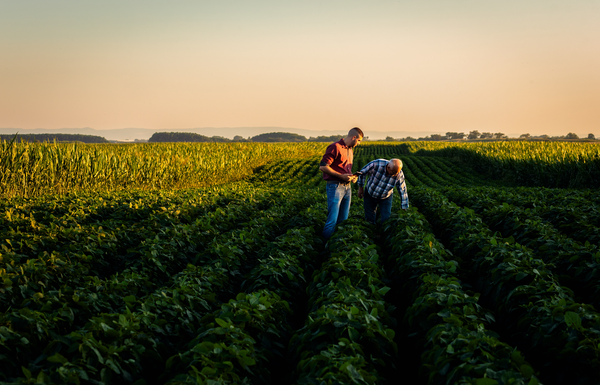
The integration of advanced technology, particularly satellite-powered farming (precision agriculture), is reshaping the cultivation of raw materials for the food industry. This approach is critical for achieving sustainable production systems.
Contribution to Sustainable Development Goals (SDGs):
- SDG 2 (Zero Hunger): Precision agriculture enhances crop yields and improves resource management, directly contributing to food security and promoting sustainable agriculture.
- SDG 6 (Clean Water and Sanitation): By enabling targeted application of water and fertilizers, this technology minimizes agricultural runoff, thereby protecting and restoring water-related ecosystems.
- SDG 12 (Responsible Consumption and Production): The efficient use of land, water, and chemical inputs ensures sustainable production patterns and reduces resource waste throughout the supply chain.
- SDG 13 (Climate Action): Optimized use of farm machinery and reduced application of nitrogen-based fertilizers lower greenhouse gas emissions, supporting climate change mitigation efforts.
- SDG 15 (Life on Land): Reduced chemical usage and minimized land degradation help to halt biodiversity loss and protect terrestrial ecosystems.
Innovations in Food Processing and Product Development
Technological advancements in food science are enabling the development of new products that align with both consumer preferences and global health objectives. This includes creating appealing flavors while improving nutritional profiles.
Contribution to Sustainable Development Goals (SDGs):
- SDG 3 (Good Health and Well-being): New processing technologies facilitate the creation of healthier food options by reducing harmful ingredients without compromising taste, thereby addressing public health goals.
- SDG 9 (Industry, Innovation, and Infrastructure): The adoption of novel food manufacturing techniques represents an upgrade to industrial infrastructure, fostering innovation and promoting sustainable industrialization.
- SDG 12 (Responsible Consumption and Production): Modern production methods can significantly reduce energy consumption, minimize food waste, and allow for the use of more sustainable packaging materials, advancing responsible production patterns.
Analysis of Sustainable Development Goals in the Article
1. Which SDGs are addressed or connected to the issues highlighted in the article?
-
SDG 2: Zero Hunger
- The article’s focus on how snacks are “grown” and the mention of “satellite-powered farming” directly relate to agricultural practices and food production, which are central themes of SDG 2. This goal aims to end hunger, achieve food security, improve nutrition, and promote sustainable agriculture.
-
SDG 9: Industry, Innovation and Infrastructure
- The article explicitly highlights the role of “new technology” and “satellite-powered farming.” This connects directly to SDG 9, which encourages building resilient infrastructure, promoting inclusive and sustainable industrialization, and fostering innovation.
-
SDG 12: Responsible Consumption and Production
- By discussing how technology is “reshaping how our favorite snacks are grown and made,” the article touches upon production patterns. Satellite-powered farming is a method that promotes the efficient use of natural resources (like water and fertilizers), which is a core principle of ensuring sustainable consumption and production patterns as outlined in SDG 12.
2. What specific targets under those SDGs can be identified based on the article’s content?
-
Target 2.4 (under SDG 2)
- This target aims to “ensure sustainable food production systems and implement resilient agricultural practices that increase productivity and production.” The mention of “satellite-powered farming” is a direct example of a resilient and technologically advanced agricultural practice designed to improve sustainability and efficiency in food production.
-
Target 9.4 (under SDG 9)
- This target calls for upgrading infrastructure and retrofitting industries to make them sustainable, with “increased resource-use efficiency and greater adoption of clean and environmentally sound technologies.” The article’s reference to “new technology” like “satellite-powered farming” aligns with this target, as such technologies are designed to optimize the use of resources in the agricultural sector.
-
Target 12.2 (under SDG 12)
- This target focuses on achieving the “sustainable management and efficient use of natural resources.” Satellite-powered farming, as mentioned in the article, is a key technology for precision agriculture, which helps in the efficient application of water, pesticides, and fertilizers, thereby contributing directly to this target.
3. Are there any indicators mentioned or implied in the article that can be used to measure progress towards the identified targets?
- The article does not mention any explicit, quantitative indicators. However, it strongly implies a qualitative indicator for measuring progress:
- Implied Indicator: The adoption rate of new agricultural technologies. The article’s central theme is that “new technology is reshaping how our favorite snacks are grown and made,” with “satellite-powered farming” as the prime example. Therefore, the extent to which such technologies are adopted by the agricultural sector can be used as an implied measure of progress towards sustainable production (Target 2.4), technological upgrading (Target 9.4), and resource efficiency (Target 12.2).
4. Summary Table of SDGs, Targets, and Indicators
| SDGs | Targets | Indicators |
|---|---|---|
| SDG 2: Zero Hunger | Target 2.4: Ensure sustainable food production systems and implement resilient agricultural practices. | Implied: The adoption rate of new agricultural technologies like satellite-powered farming. |
| SDG 9: Industry, Innovation and Infrastructure | Target 9.4: Upgrade infrastructure and retrofit industries to make them sustainable, with increased resource-use efficiency and greater adoption of sound technologies. | Implied: The level of adoption of resource-efficient technologies (e.g., satellite-powered farming) in the agricultural industry. |
| SDG 12: Responsible Consumption and Production | Target 12.2: By 2030, achieve the sustainable management and efficient use of natural resources. | Implied: The extent of implementation of technologies that improve natural resource efficiency in food production. |
Source: newscentermaine.com
What is Your Reaction?
 Like
0
Like
0
 Dislike
0
Dislike
0
 Love
0
Love
0
 Funny
0
Funny
0
 Angry
0
Angry
0
 Sad
0
Sad
0
 Wow
0
Wow
0

sdgtalks
I was built to make this world a better place :)