
















































Sustainable Futures: creating a healthy planet for all – Wyss Institute at Harvard

Report on the Wyss Institute’s Sustainable Futures Initiative and its Contribution to the Sustainable Development Goals
The Wyss Institute is leveraging biologically inspired engineering to develop scalable solutions addressing critical global challenges, with a strategic focus on the United Nations Sustainable Development Goals (SDGs). The Institute’s Sustainable Futures Initiative directly confronts the planetary crisis driven by pollution, unsustainable manufacturing, and carbon-intensive production, recognizing the intrinsic link between planetary health and human health as outlined in SDG 3 (Good Health and Well-being).
Strategic Framework for Sustainable Development
The Initiative’s work is structured around a three-pronged approach designed to advance key SDGs:
- Remediation: Correcting existing environmental degradation, contributing to SDG 6 (Clean Water and Sanitation), SDG 14 (Life Below Water), and SDG 15 (Life on Land).
- Resilience: Developing technologies to sustain living standards on a changing planet, supporting SDG 11 (Sustainable Cities and Communities) and SDG 13 (Climate Action).
- Reinvention: Replacing harmful materials and processes with sustainable alternatives, directly targeting SDG 9 (Industry, Innovation, and Infrastructure) and SDG 12 (Responsible Consumption and Production).
This interdisciplinary effort is propelled by a unique translational model designed to accelerate the deployment of these solutions globally.
Leadership and Ecosystem Building for SDG 17 (Partnerships for the Goals)
Expert Leadership
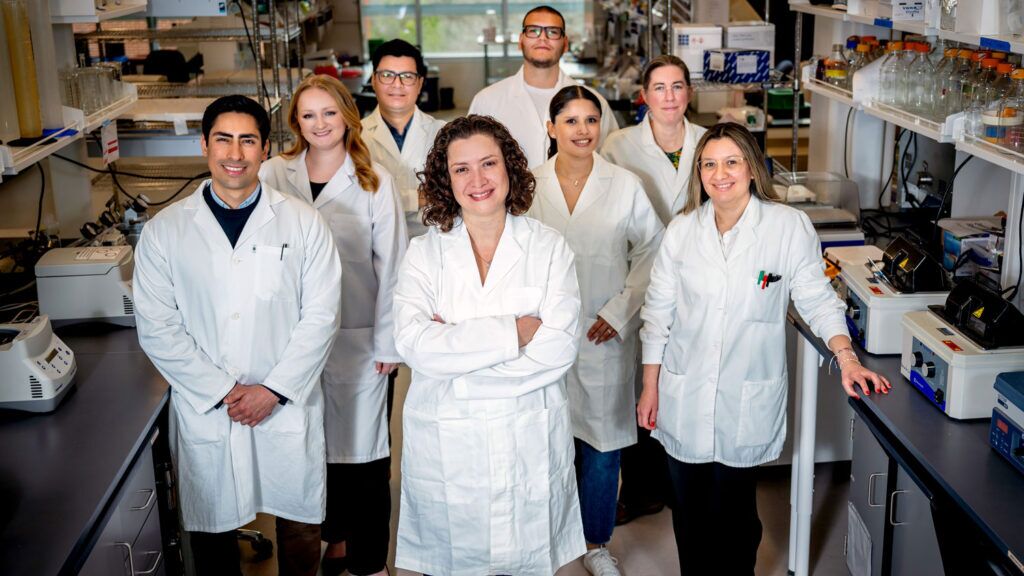
The Sustainable Futures Initiative is guided by a leadership team with expertise in science, entrepreneurship, and commercialization, ensuring that projects are aligned with real-world needs and scalable impact.
- Emily Stoler, Ph.D.: As Principal Scientist, Dr. Stoler steers high-potential technologies toward application, advocating for the intersection of synthetic biology and sustainability innovation.
- Pam Silver, Ph.D.: A Founding Core Faculty member, Dr. Silver pioneers the engineering of biological systems to address systemic challenges, including climate resilience and sustainable production.
- Marika Ziesack, Ph.D.: A Senior Scientist with startup experience, Dr. Ziesack mentors emerging teams on the path from laboratory research to commercial ventures.
- Helen Wang, M.B.A.: A Wyss Mentor, Ms. Wang advises on the use of AI to reduce the resource burden of R&D and emphasizes the need for cross-border collaboration to achieve climate solutions.
Fostering Collaborative Innovation
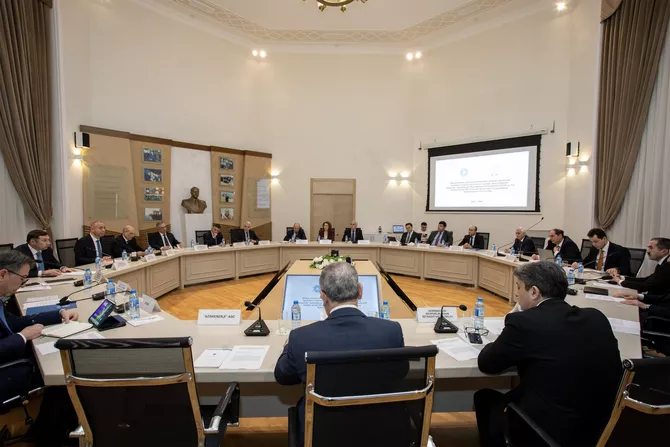
The Wyss Institute actively cultivates an ecosystem of collaboration to accelerate progress toward the SDGs. The 2025 Wyss Retreat featured discussions on funding mechanisms for sustainable technology, bringing together leaders from academia, venture capital, and policy to explore new models for financing climate innovation. This convening role is critical to building the partnerships necessary to achieve the next wave of sustainable biotechnology, in line with SDG 17.
Technology Advancement for the Global Goals
The Initiative’s project pipeline demonstrates tangible progress in developing technologies that address specific SDGs through diverse funding models, including internal validation programs, venture alliances, and philanthropy.
Addressing Pollution and Health (SDG 3, SDG 6, SDG 12)
- PFASense: A synthetic biology-powered biosensor for the rapid, low-cost detection of PFAS “forever chemicals” in water. This technology directly supports SDG 6 by enabling accessible water quality monitoring and SDG 3 by helping to mitigate exposure to chemicals linked to severe health conditions.
- Nixe: A plant-inspired, PFAS-free, water-repellent coating for textiles. This project advances SDG 12 by providing a sustainable alternative to hazardous chemicals used in consumer products.
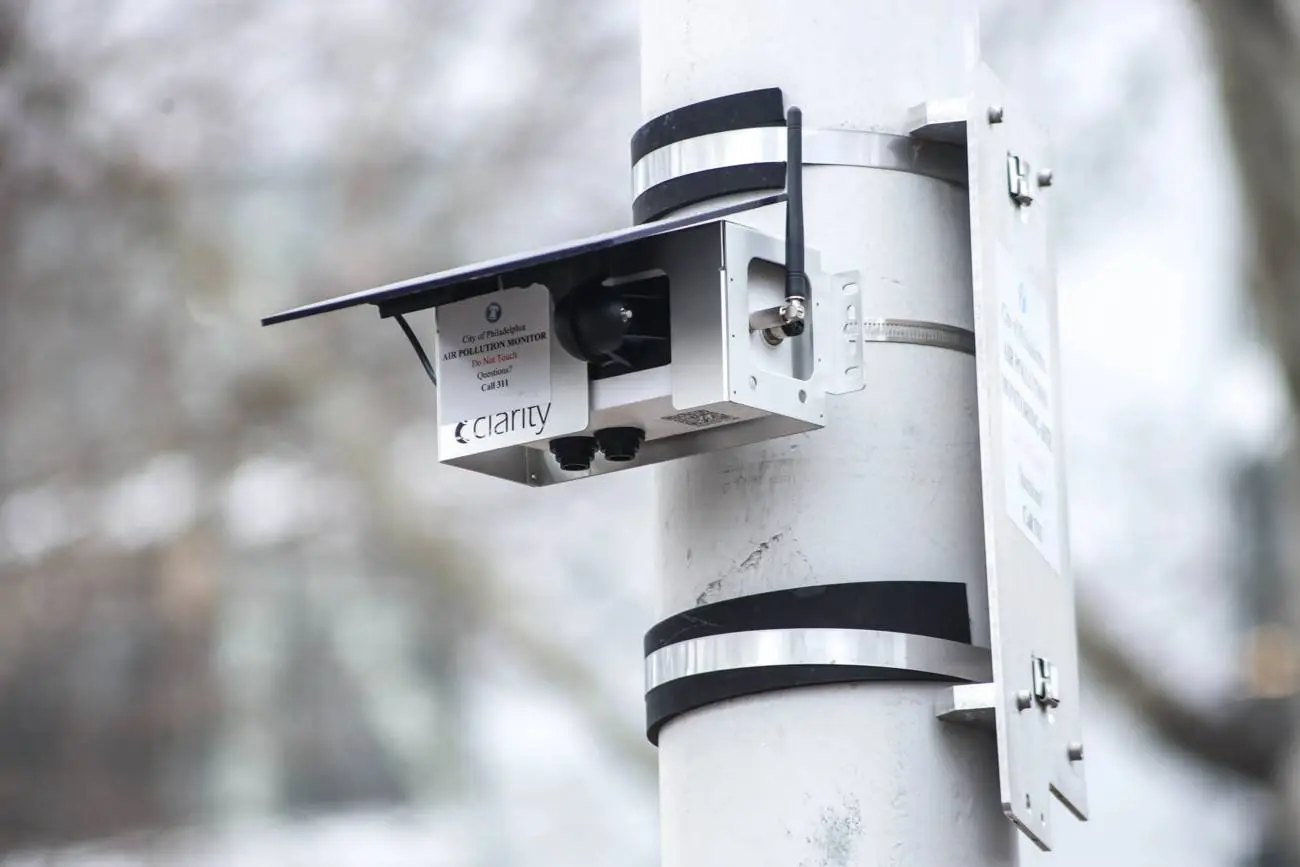
- SNIFFIA (Project Air): An air-monitoring system that detects volatile organic compounds (VOCs) in real time. Piloted at Harvard House Zero, this technology contributes to SDG 11 and SDG 3 by enabling healthier indoor environments.
Advancing Sustainable Industry and Production (SDG 9, SDG 12, SDG 14)
- REFINE: A project aimed at cost-effective biomanufacturing by improving oxygen transfer in industrial fermentation. By reducing the energy intensity of bioproduction, REFINE promotes sustainable industrialization as targeted by SDG 9.
- SPEEDR: A technology that engineers microbes to degrade PET plastic and convert it into a fully compostable bioplastic (PHB). This creates a circular solution for plastic waste, directly addressing SDG 12 and mitigating plastic pollution impacting SDG 14.
Commercialization and Global Impact via Wyss Startups
The Wyss Institute’s translational model has successfully launched startups that are now making significant global contributions to the SDGs.
- Colossal Biosciences: By leveraging synthetic biology for de-extinction and conservation, Colossal’s work directly supports SDG 15 (Life on Land) by advancing biodiversity goals.
- Kula Bio: This company is deploying biofertilizers that enable microbes to capture nitrogen from the atmosphere, reducing agriculture’s reliance on synthetic fertilizers. This contributes to SDG 2 (Zero Hunger) through sustainable agriculture, SDG 13 (Climate Action) by reducing emissions, and SDG 15 by mitigating land degradation.
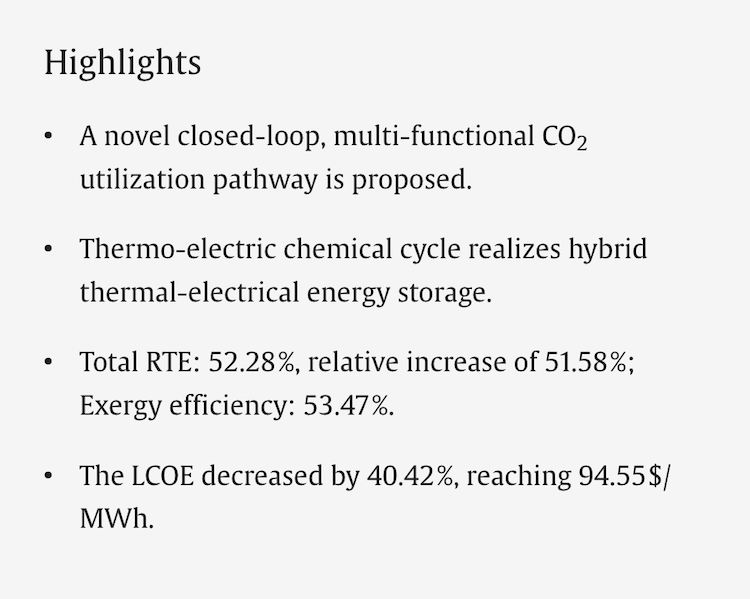
- Circe Bioscience: Using engineered microbes to convert CO₂ into fats and fuels, Circe is creating a carbon-negative production platform. This innovation is a direct contribution to SDG 12 and SDG 13 by creating climate-positive food and industrial systems.
Analysis of Sustainable Development Goals in the Article
1. Which SDGs are addressed or connected to the issues highlighted in the article?
- SDG 3: Good Health and Well-being – Addresses health risks from chemical pollution.
- SDG 6: Clean Water and Sanitation – Focuses on detecting and addressing water contamination.
- SDG 9: Industry, Innovation, and Infrastructure – Highlights the development of sustainable, clean, and environmentally sound technologies and industrial processes.
- SDG 12: Responsible Consumption and Production – Centers on the environmentally sound management of chemicals and wastes, reducing waste generation, and developing sustainable materials.
- SDG 13: Climate Action – Discusses innovations for climate resilience and carbon-negative technologies.
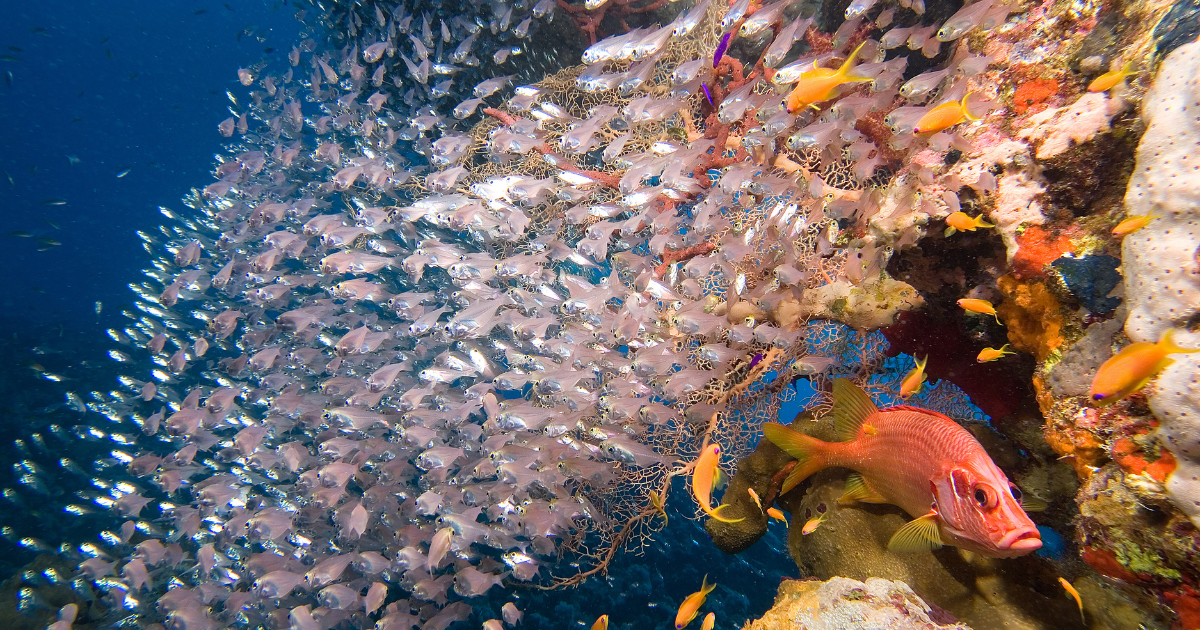
- SDG 14: Life Below Water – Relates to the reduction of plastic pollution which impacts marine environments.
- SDG 15: Life on Land – Pertains to sustainable agriculture and biodiversity.
- SDG 17: Partnerships for the Goals – Emphasizes collaboration between academia, industry, venture capital, and non-profits to achieve sustainability goals.
2. What specific targets under those SDGs can be identified based on the article’s content?
- SDG 3: Good Health and Well-being
- Target 3.9: By 2030, substantially reduce the number of deaths and illnesses from hazardous chemicals and air, water and soil pollution and contamination. The article directly connects to this target by discussing the health risks of PFAS “forever chemicals,” which “increase the risk of many health conditions, including cancer and birth defects.” The development of technologies like PFASense aims to mitigate this risk through detection.
- SDG 6: Clean Water and Sanitation
- Target 6.3: By 2030, improve water quality by reducing pollution, eliminating dumping and minimizing release of hazardous chemicals and materials. The PFASense project is a direct response to this target, as it is a “biosensor platform designed to enable rapid, low-cost, in-field detection of PFAS” in water.
- SDG 9: Industry, Innovation, and Infrastructure
- Target 9.4: By 2030, upgrade infrastructure and retrofit industries to make them sustainable, with increased resource-use efficiency and greater adoption of clean and environmentally sound technologies and industrial processes. The article describes multiple innovations for this purpose, including the REFINE project for “Cost-Effective Biomanufacturing” which reduces energy intensity, and Circe Bioscience’s platform for producing industrial inputs from CO₂.
- Target 9.5: Enhance scientific research, upgrade the technological capabilities of industrial sectors in all countries… encouraging innovation. The entire Wyss Institute’s Sustainable Futures Initiative, which fosters projects like SPEEDR, Nixe, and PFASense, embodies this target by focusing on scientific research to create commercialized, sustainable technologies.
- SDG 12: Responsible Consumption and Production
- Target 12.4: By 2020, achieve the environmentally sound management of chemicals and all wastes throughout their life cycle… and significantly reduce their release to air, water and soil to minimize their adverse impacts on human health and the environment. The development of Nixe, a “PFAS-free alternative for water-resistant coatings,” and the SNIFFIA air-monitoring system for VOCs directly address the management and reduction of harmful chemical releases.
- Target 12.5: By 2030, substantially reduce waste generation through prevention, reduction, recycling and reuse. The SPEEDR project is a prime example, as it is “addressing the dual challenge of plastic waste by engineering microbes that can degrade commonly used PET plastic and convert it into PHB, a fully compostable bioplastic,” which is a form of recycling and reuse.
- SDG 13: Climate Action
- Target 13.1: Strengthen resilience and adaptive capacity to climate-related hazards and natural disasters in all countries. The article mentions that Pam Silver’s work addresses “climate resilience and sustainable production,” and the overall initiative focuses on “resilience to sustain a standard of living on a changing planet.”
- SDG 14: Life Below Water
- Target 14.1: By 2025, prevent and significantly reduce marine pollution of all kinds, in particular from land-based activities, including marine debris and nutrient pollution. The article identifies “plastic pollution” as a key driver of the planetary crisis. The SPEEDR project, by degrading PET plastic, directly contributes to reducing the amount of plastic waste that could end up in oceans.
- SDG 15: Life on Land
- Target 15.3: By 2030, combat desertification, restore degraded land and soil… and strive to achieve a land degradation-neutral world. Kula Bio’s work on “biofertilizers (Kula-N)” helps agriculture “transition away from environmentally damaging synthetic nitrogen,” which contributes to soil and land degradation.
- Target 15.5: Take urgent and significant action to reduce the degradation of natural habitats, halt the loss of biodiversity and, by 2020, protect and prevent the extinction of threatened species. Colossal Biosciences is mentioned for “advancing biodiversity goals by leveraging synthetic biology,” directly aligning with this target.
- SDG 17: Partnerships for the Goals
- Target 17.17: Encourage and promote effective public, public-private and civil society partnerships, building on the experience and resourcing strategies of partnerships. The article is replete with examples of such partnerships, including the “alliance with the Collaborative Fund, a climate tech-focused venture firm,” collaborations with ARPA-E and DARPA, and support from “Gerstner Philanthropies.” The Wyss Mentor Hive and breakout panels also demonstrate this collaborative approach.
3. Are there any indicators mentioned or implied in the article that can be used to measure progress towards the identified targets?
- Development of new environmental technologies: The creation and validation of specific technologies serve as a primary indicator. Examples include:
- PFASense: A functional “synthetic biology-powered biosensor platform” for rapid, low-cost detection of PFAS chemicals in the field.
- SPEEDR: The development of engineered microbes that can efficiently “degrade commonly used PET plastic and convert it into PHB, a fully compostable bioplastic.”
- Nixe: A commercially viable “plant-inspired engineered material that… provide[s] a sustainable, PFAS-free alternative for water-resistant coatings.”
- SNIFFIA: A validated “air-monitoring system that detects and quantifies specific volatile organic compounds (VOCs) in real time.”
- Reduction in harmful inputs: The successful deployment of new technologies can be measured by the reduction in the use of harmful substances.
- The article implies this with Kula Bio’s biofertilizers, which are “helping agriculture transition away from environmentally damaging synthetic nitrogen.” A measurable indicator would be the reduction in tons of synthetic nitrogen fertilizer used where Kula-N is adopted.
- Carbon conversion and sequestration: Progress can be measured by the amount of greenhouse gases converted into useful products.
- Circe Bioscience’s platform “uses engineered microbes to convert CO₂ into fats, fuels, and other essential molecules.” A key indicator is the efficiency and scale of CO₂ conversion, making it a “carbon-negative platform.”
- Investment and commercialization: The amount of funding raised and the number of successful startups launched are indicators of progress in bringing sustainable innovations to market.
- The article cites specific funding milestones, such as Kula Bio’s “$50 million Series A round” and Colossal Biosciences raising “$200 million in a Series C round,” as evidence of successful translation from lab to market.
4. Table of SDGs, Targets, and Indicators
| SDGs | Targets | Indicators |
|---|---|---|
| SDG 3: Good Health and Well-being | 3.9: Reduce illnesses from hazardous chemicals and pollution. | Development of technologies (PFASense) to detect hazardous chemicals linked to health conditions like cancer. |
| SDG 6: Clean Water and Sanitation | 6.3: Improve water quality by reducing pollution from hazardous chemicals. | Creation of a rapid, low-cost, in-field biosensor (PFASense) for detecting PFAS “forever chemicals” in water. |
| SDG 9: Industry, Innovation, and Infrastructure | 9.4: Upgrade industries to make them sustainable and efficient. 9.5: Enhance scientific research and encourage innovation. |
Development of energy-efficient biomanufacturing (REFINE project) and AI-enabled bioproduction; successful launch of startups from research. |
| SDG 12: Responsible Consumption and Production | 12.4: Environmentally sound management of chemicals and wastes. 12.5: Substantially reduce waste generation through recycling and reuse. |
Creation of PFAS-free coatings (Nixe); development of microbes to degrade PET plastic and convert it into compostable bioplastic (SPEEDR). |
| SDG 13: Climate Action | 13.1: Strengthen resilience and adaptive capacity to climate-related hazards. | Development of a scalable, carbon-negative platform that converts CO₂ into useful products like fats and fuels (Circe Bioscience). |
| SDG 14: Life Below Water | 14.1: Prevent and significantly reduce marine pollution, including plastic debris. | Technology (SPEEDR) that addresses plastic waste by degrading PET, a major source of marine pollution. |
| SDG 15: Life on Land | 15.3: Restore degraded land and soil. 15.5: Halt the loss of biodiversity. |
Deployment of biofertilizers (Kula Bio) to replace environmentally damaging synthetic nitrogen; leveraging synthetic biology to advance biodiversity goals (Colossal Biosciences). |
| SDG 17: Partnerships for the Goals | 17.17: Encourage and promote effective public-private and civil society partnerships. | Establishment of collaborations between the Wyss Institute and venture capital (Collaborative Fund), philanthropy (Gerstner Philanthropies), and government agencies (DARPA). |
Source: wyss.harvard.edu
What is Your Reaction?
 Like
0
Like
0
 Dislike
0
Dislike
0
 Love
0
Love
0
 Funny
0
Funny
0
 Angry
0
Angry
0
 Sad
0
Sad
0
 Wow
0
Wow
0